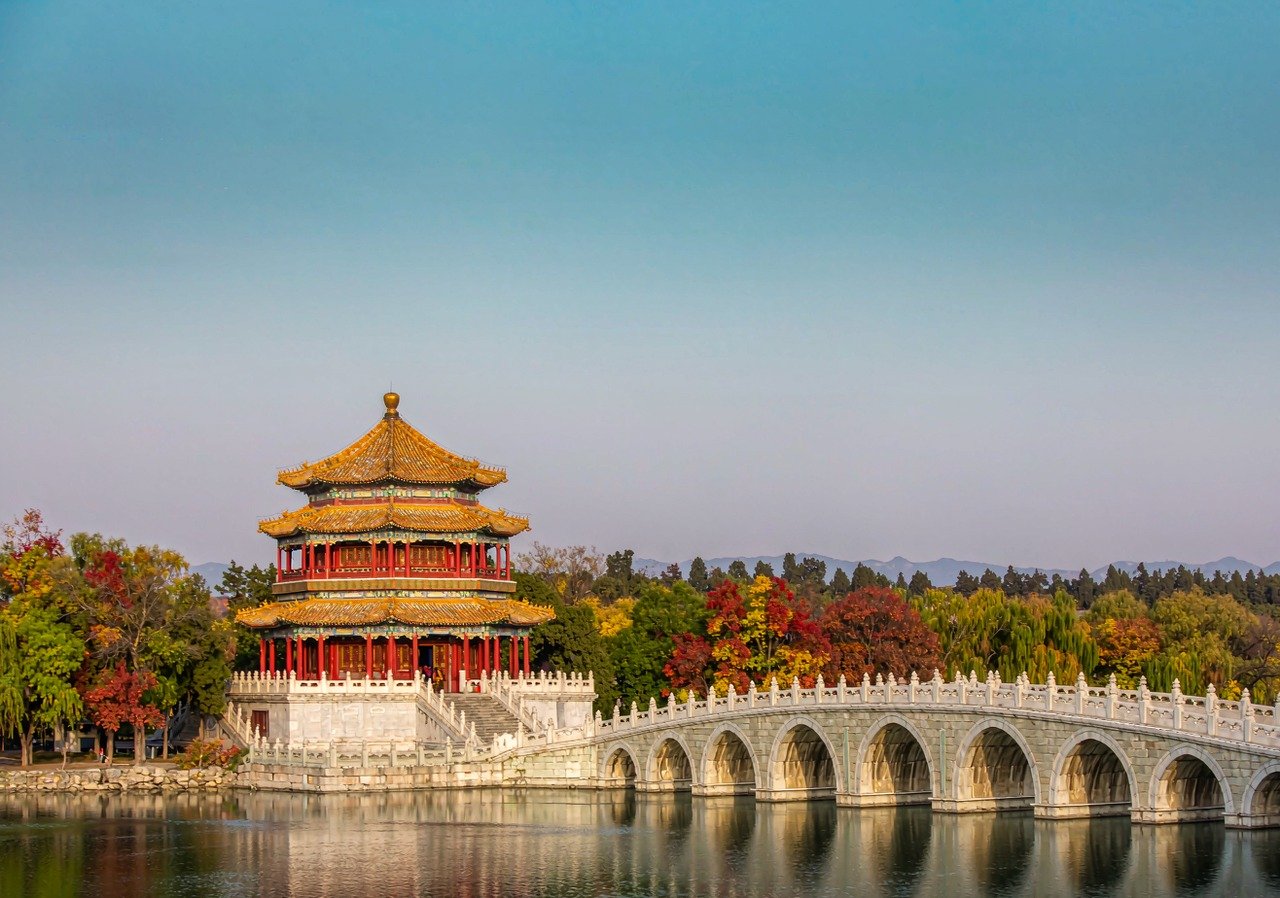
What to actually prioritize
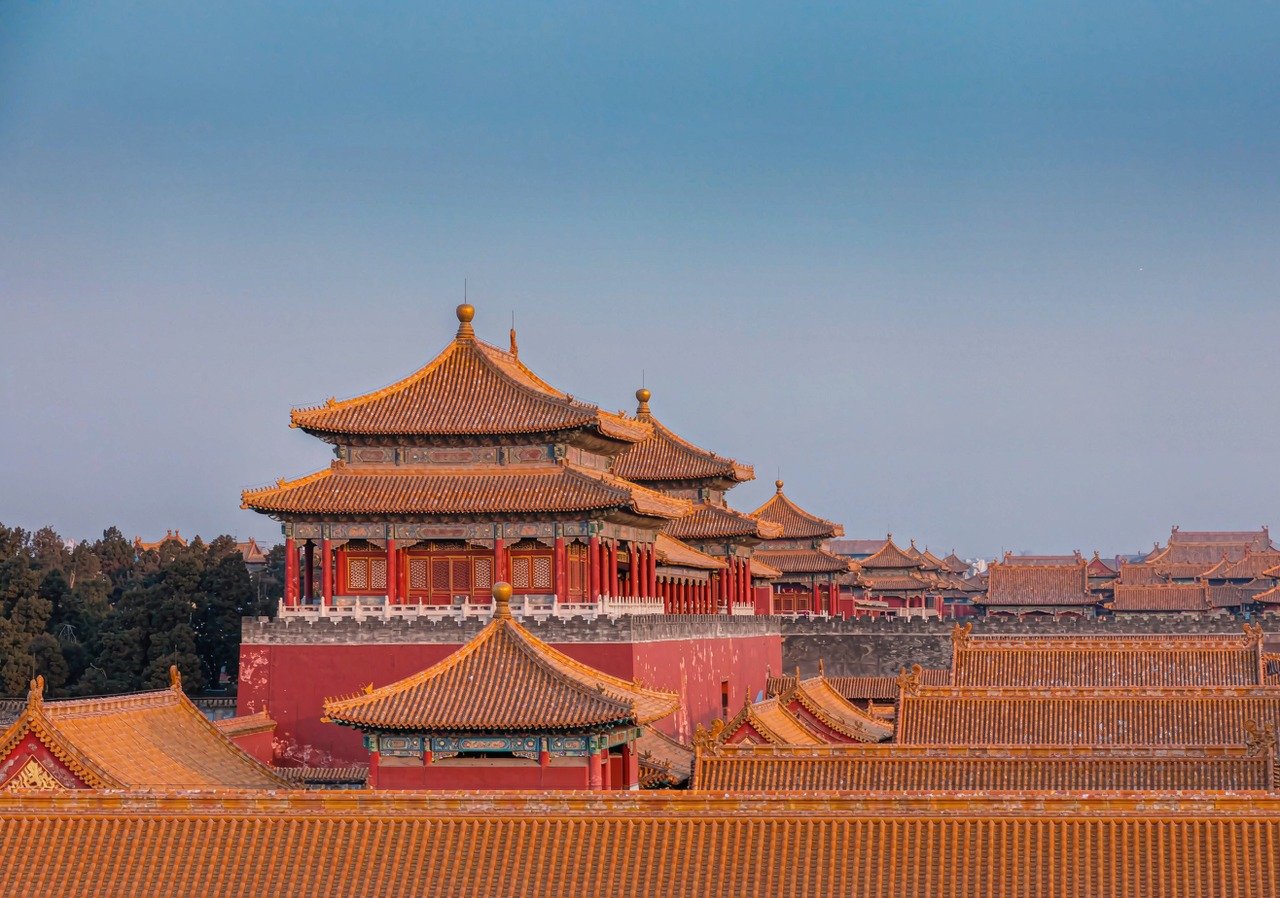
The imperial core
Three imperial sights anchor any first visit: the Forbidden City (book a timed ticket online — it is closed every Monday and sells out in peak season), the Temple of Heaven, and the lakeside Summer Palace.
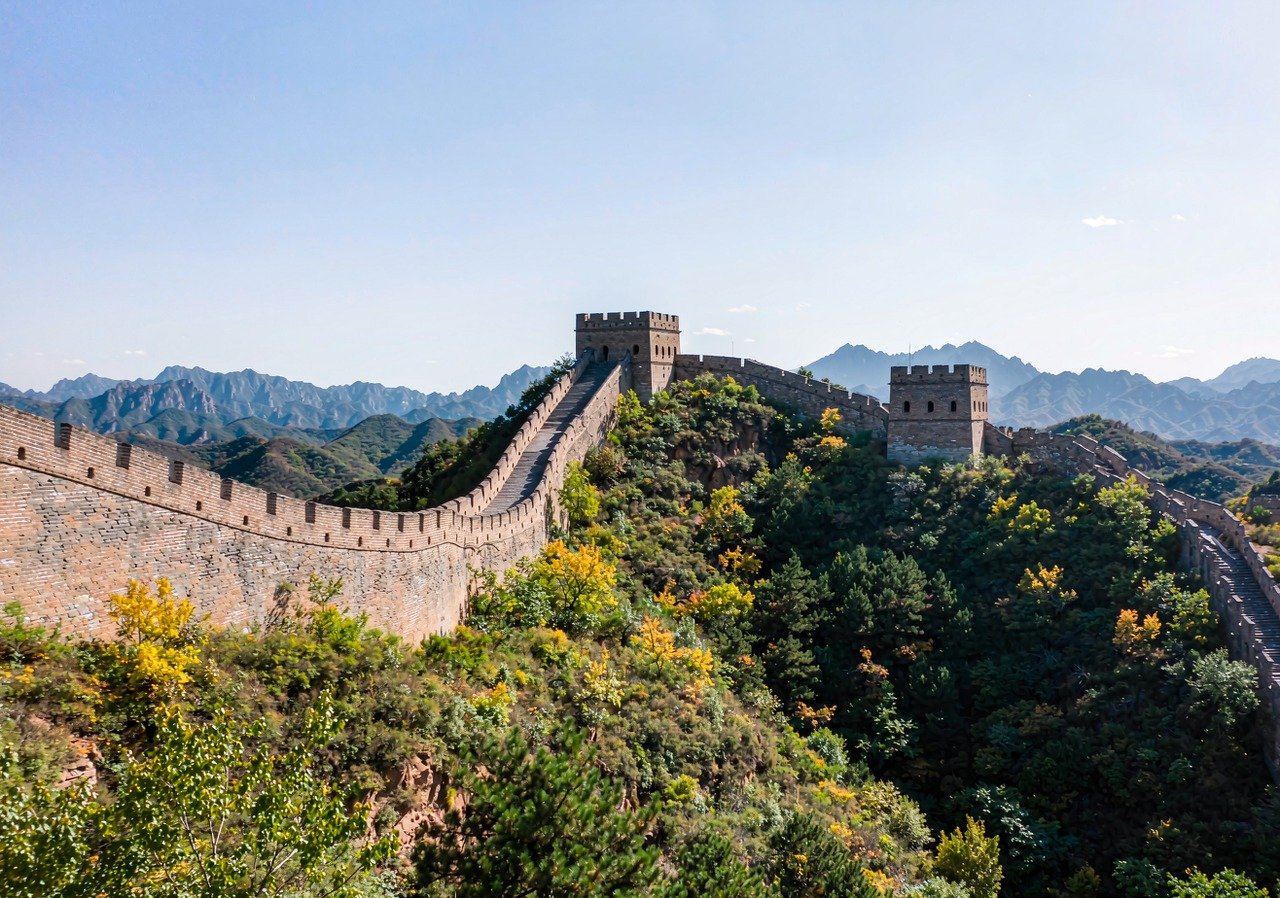
The Great Wall at Mutianyu
Go to Mutianyu — restored, scenic, with a cable car and a toboggan run down, and far less crowded than Badaling. It is about 73 km northeast of the center; figure roughly 75 minutes to 1.5 hours by car.
Neighborhoods worth your time
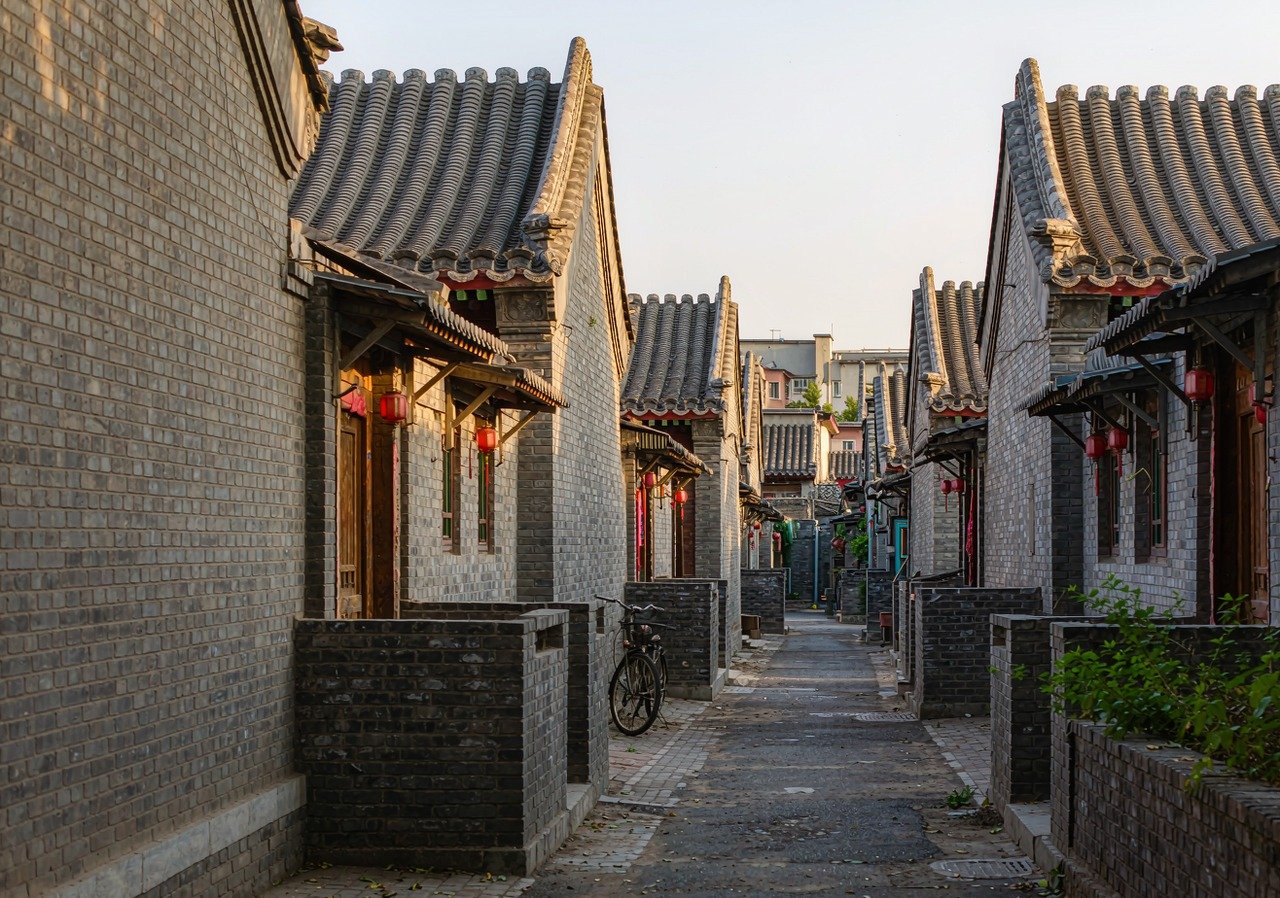
Hutongs
Beijing’s old alleyways. Walk or take a rickshaw through Nanluoguxiang and around the Houhai lakes — low, human-scale, and a world away from the boulevards.
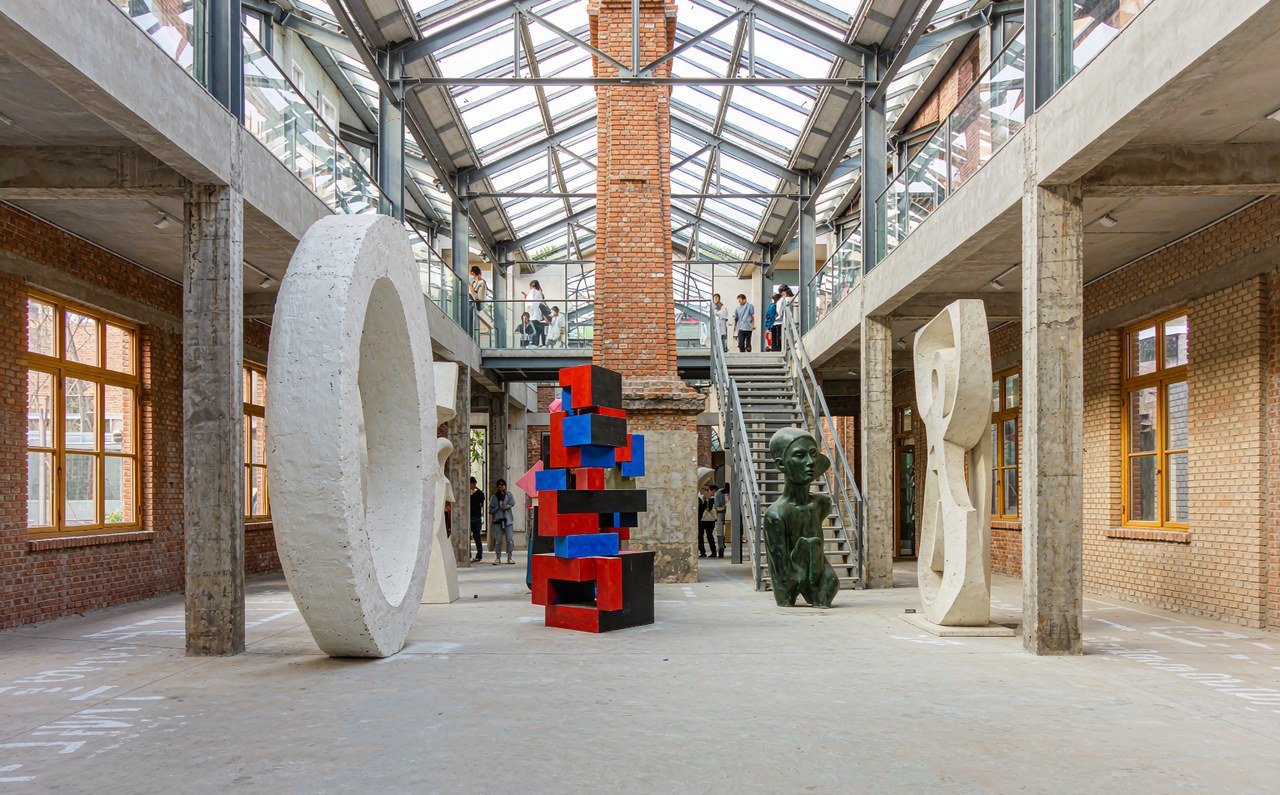
798 Art Zone
A converted factory district of contemporary galleries, design shops, and cafés. The modern, creative side of the capital, best on a weekend when studios are open.
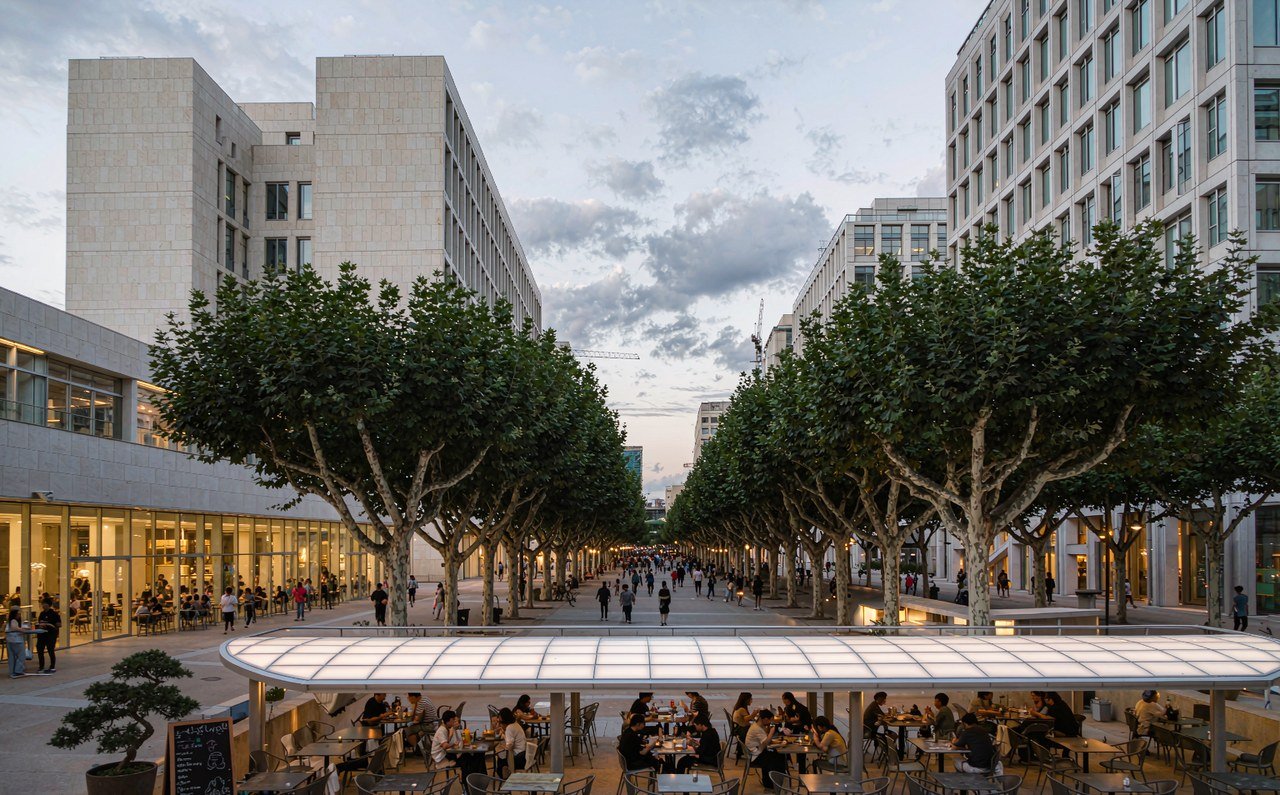
Sanlitun
Embassies, malls, and the city’s most international nightlife. Good for a familiar meal or a late drink after the historic sights.
Best time to visit Beijing
Best: April–May & Sep–Oct
Spring and autumn bring clear “Beijing blue” skies and comfortable temperatures. Mid-October, when the palace trees turn gold, is the most photogenic window.
Avoid the holiday crowds
National Day “Golden Week” (Oct 1–7) and Labour Day (early May) crush every major sight. The Forbidden City hits its daily cap and tickets vanish days ahead.
Winter is quiet & cheap
December–February is cold but crowd-free, with lower hotel rates. The Summer Palace on a snowy morning is spectacular if you can handle the chill.
How to get to Beijing & move around
Two airports
PEK (Capital) sits northeast of the city; PKX (Daxing) is far south. Both link to the center by metro, airport express, or taxi. Daxing is newer and often cheaper, but the transfer is longer.
High-speed rail
Beijing is the hub of China’s high-speed network. You can reach it from Xi’an (about 4–5.5 h), Shanghai (about 4.5–6 h), and Chengdu (about 7–8 h). Trains arrive at Beijing, Beijing West, Beijing South, or Qinghe — check which before booking a hotel.
Metro, DiDi & walking
The metro is cheap, clean, and extensive — pay with Alipay / WeChat QR. DiDi works like Uber for late nights or luggage. The imperial core is compact enough to stitch together on foot.
A simple 3-day plan
Forbidden City in the morning (book ahead, bring your passport), Tiananmen Square, then Jingshan Park for the classic overhead shot of the palace roofs. Evening stroll through the Houhai hutongs.
Mutianyu for a half-day — cable car up, toboggan down. Back in the city, spend the evening around Nanluoguxiang or Sanlitun.
Temple of Heaven in the morning, then the Summer Palace. A relaxed final day before the high-speed train to your next city.
Where to stay in Beijing
Stay central so you cut transit time between sights. Good first-timer bases: Wangfujing / Qianmen (walk to the Forbidden City and Tiananmen), the 2nd-ring hutong area (characterful, near Line 2), and Sanlitun (if you want malls and nightlife). Avoid the far suburbs — they look cheap but cost you hours each day.
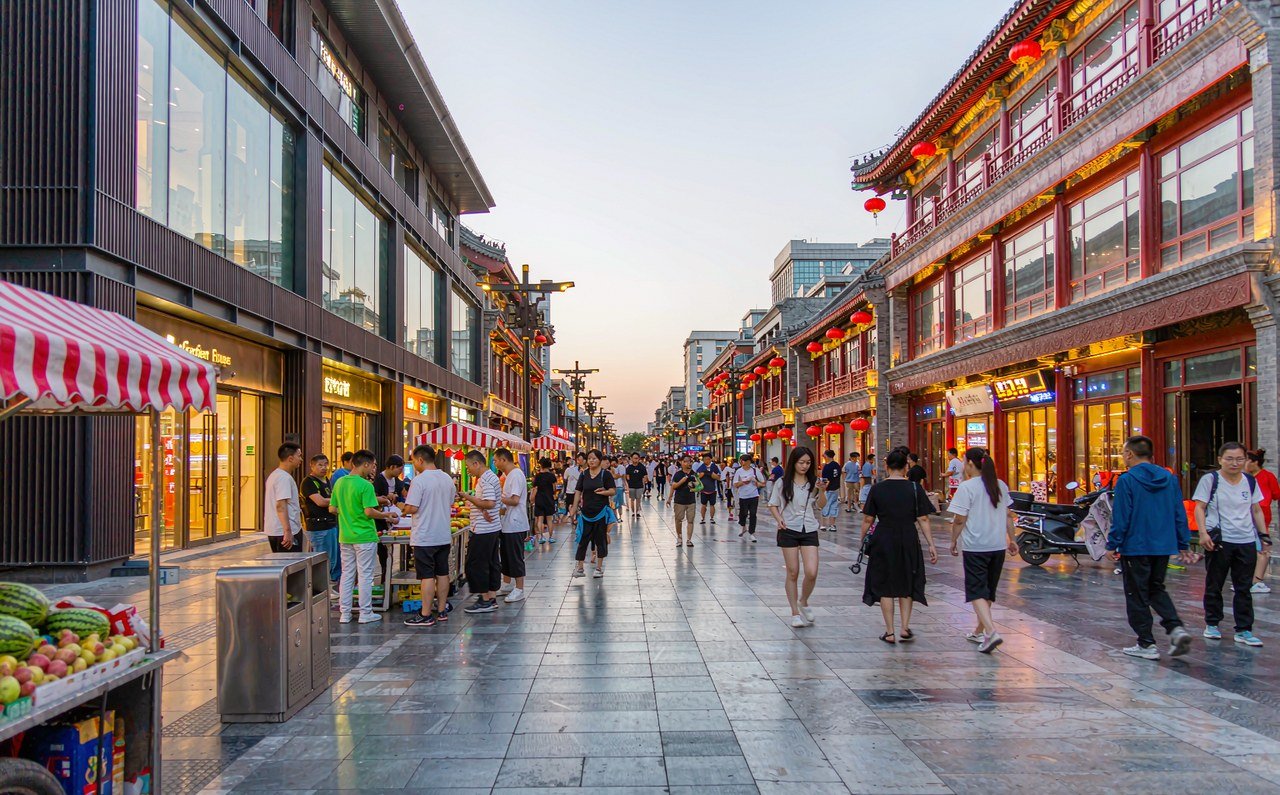
Wangfujing & Qianmen
Most convenient for the imperial core; subway Lines 1 and 2 nearby.
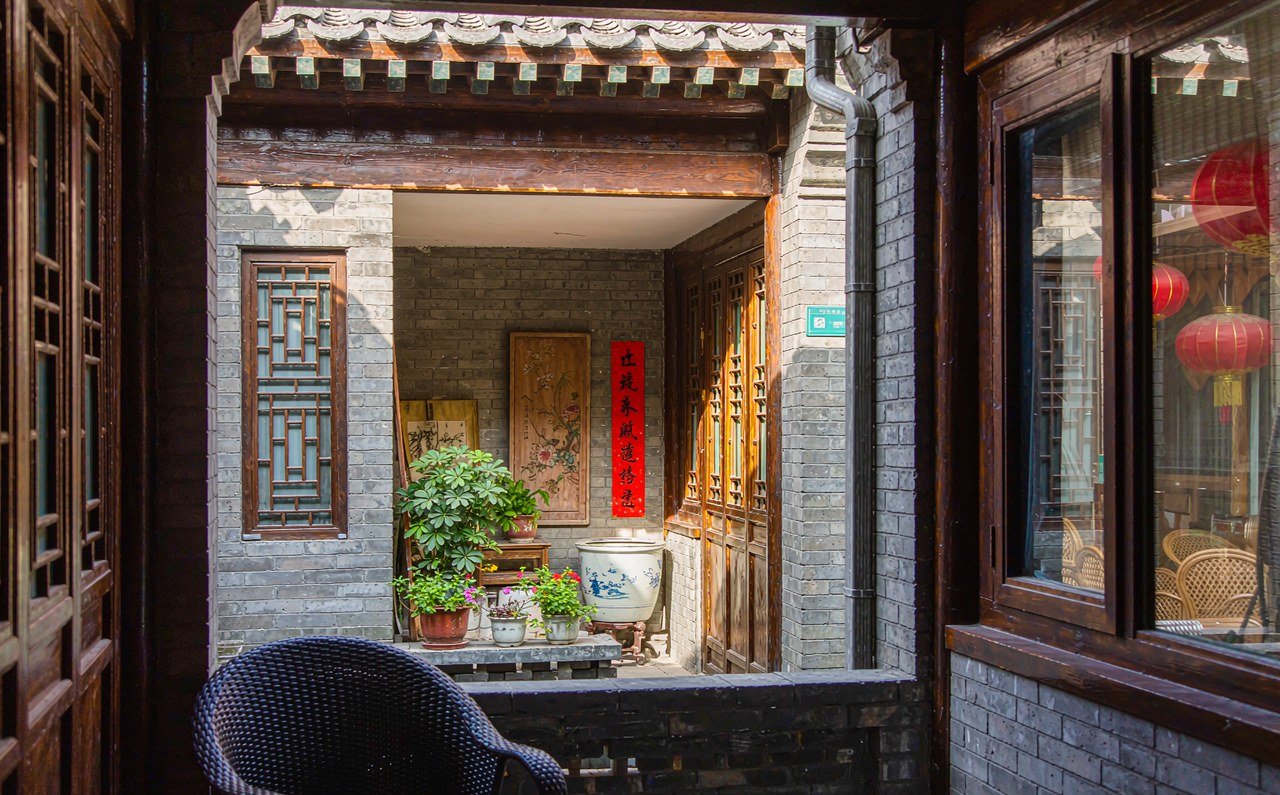
Hutong stays (2nd ring)
Courtyard hotels inside Line 2 give you the old-Beijing atmosphere, steps from the metro.
Sanlitun
International hotels, dining, and easy airport access via Line 10.
What to eat in Beijing
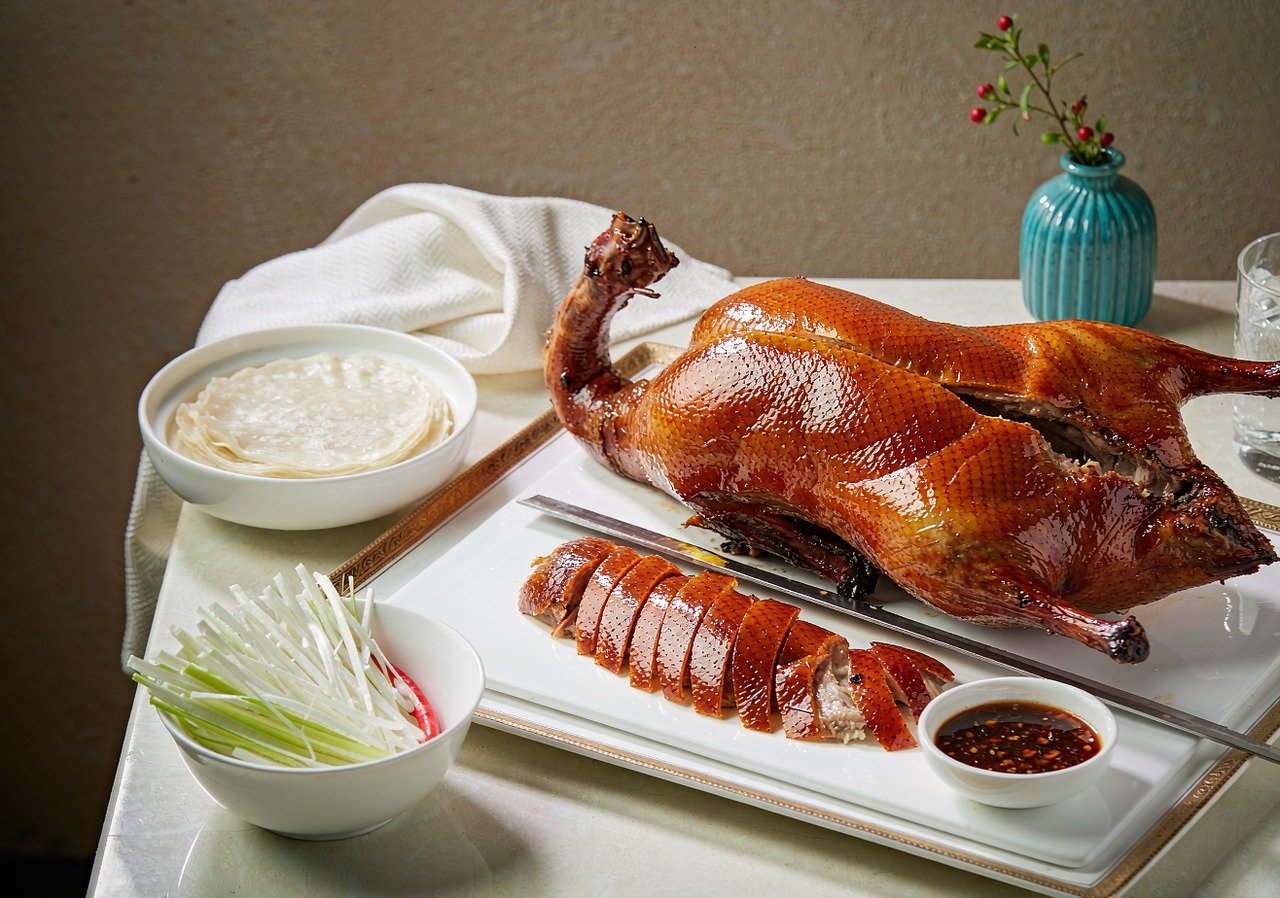
Peking duck
The icon. Crisp skin, thin pancakes, scallion and sweet bean sauce. Book a well-known spot or a local roast-duck house.
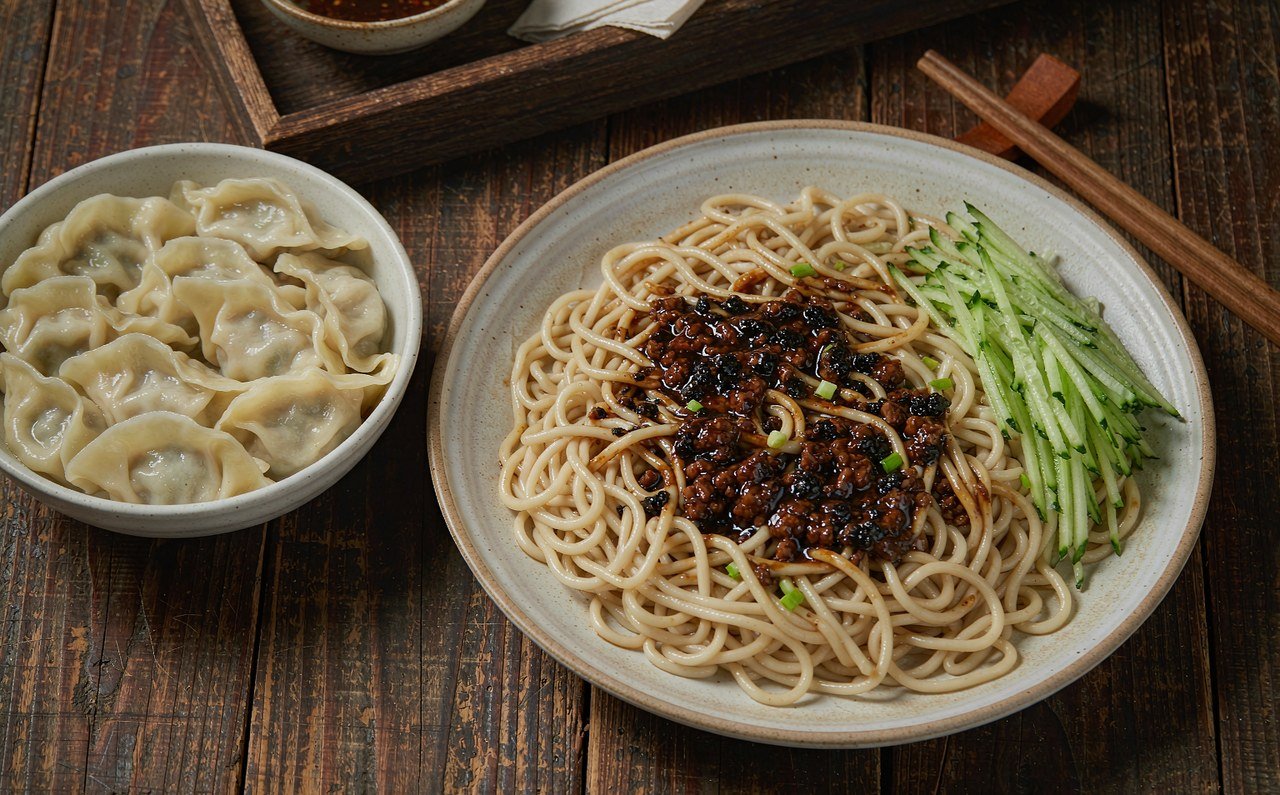
Zhajiangmian & dumplings
Beijing-style noodles with fermented soybean paste, plus jiaozi — cheap, filling, everywhere. A street jianbing (savory crepe) makes a great breakfast.
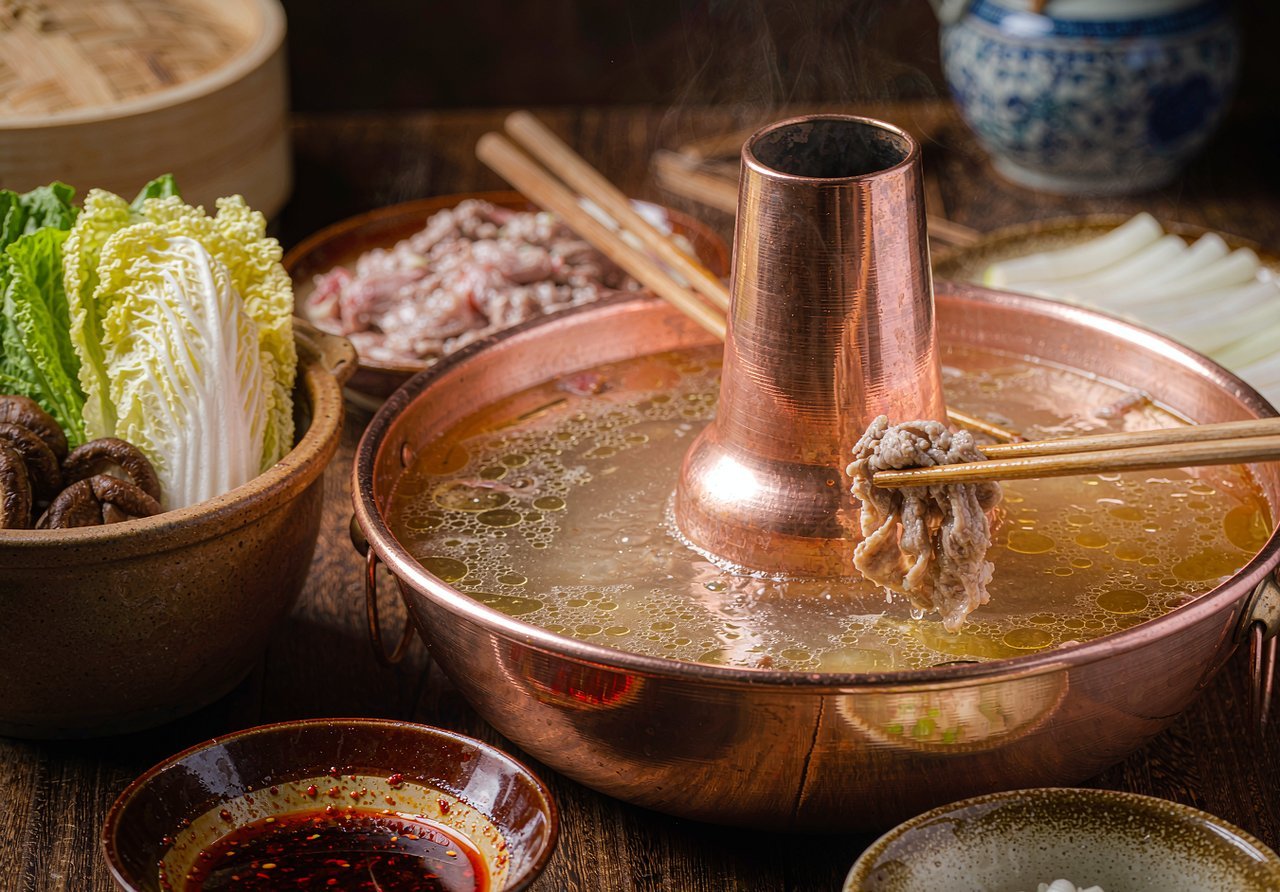
Hotpot & more
A Mongolian-style hotpot meal is a fun group night out, and Muslim-quarter spots near Niujie serve excellent lamb skewers and hand-pulled noodles.
Payment is cashless: set up Alipay or WeChat Pay before you arrive so you can scan-and-pay at any stall or restaurant. See our China digital guide for the setup steps.
Beijing on a budget
Sights
Forbidden City ¥60 (high season), Summer Palace ¥30, Temple of Heaven ¥15 garden / ¥34 with the hall. Mutianyu entry ¥45 plus cable car.
Daily spend
A comfortable mid-range day — hostel/3-star room, street food plus one restaurant, metro — runs roughly ¥400–¥700 per person. Luxury hotels and Peking-duck dinners push it higher.
Cashless
Almost everything is scan-to-pay. Carry a little cash only for tiny vendors. Notify your bank before using foreign cards at ATMs.
Safety & common scams
Beijing is generally safe to walk, even at night. Keep your passport handy (you may need it for spot checks and hotel check-in), watch your phone in crowds, and read our full China safety guide.
Common questions
Three full days cover the essentials. Add a fourth if you want to explore the outskirts (more Wall sections, the Ming Tombs) or take it slower.
Yes. Timed tickets open 7 days ahead at 20:00 Beijing time and often sell out, especially weekends and holidays. Book online and bring the passport you reserved with — it is the entry document.
For most first-timers, absolutely. Mutianyu is the easy, scenic, crowd-light choice — cable car up, toboggan down.
April–May and September–October have the best weather and skies. Late October, when the palace trees turn gold, is the most beautiful.
Yes. Metro signage includes English, mapping apps work with pins, and translation apps handle menus. Having key destinations in Chinese characters saves hassle with taxi drivers.
More China city guides
Beijing is one stop on the trip. See the full set — Shanghai, Chengdu, Xi’an and more — in our city hub.