China Travel Safety Guide 2026: What Every First-Timer Should Know
China is a safe country to travel, but the risks are different from home. This guide covers health, food and water, the scams worth knowing, hospitals, and everyday etiquette so you can move around with confidence.
The big question
Is China safe for tourists? (2026 honest answer)
For violent crime, China is one of the safest countries you can visit as a tourist. The risks most travelers actually face are small scams, food-related stomach issues, getting lost, and the occasional culture clash.
Violent crime
Very low. Walking alone at night in major cities is generally safe.
Scams & rip-offs
The main risk. Tea scams, fake art students, and overcharged taxis near tourist sites.
Traffic
Cross carefully. Drivers expect pedestrians to move, and electric bikes are quiet.
Air quality
Check the AQI. A mask helps on high-pollution days, especially in winter.
Stay alert
Common scams in China and how to avoid them
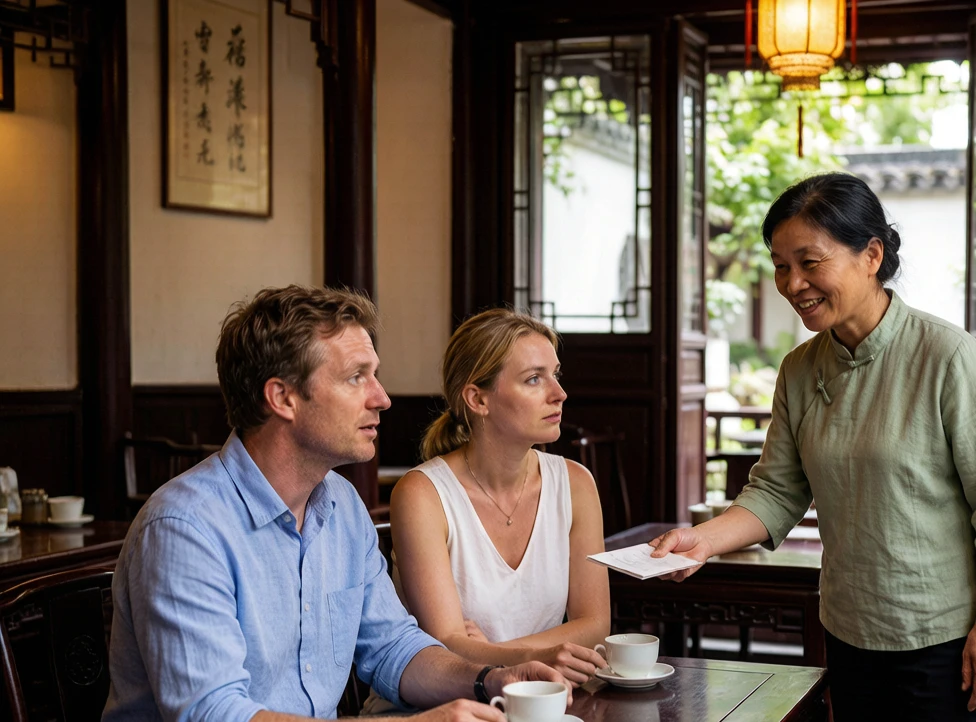
Most tourist scams in China are friendly and low-pressure — someone starts a conversation, and by the end you’re in an expensive tea house or art gallery. These are the most common China travel scams we see repeated year after year, and how to shut them down early.
The tea ceremony scam
A friendly local invites you to a “traditional tea ceremony.” The bill at the end can be hundreds of dollars. Politely decline invitations from strangers near tourist sites.
The art student gallery
“Students” ask you to visit their art exhibition, then pressure you to buy overpriced paintings. Same rule: be friendly, keep walking.
Unmetered taxis and touts
Use DiDi or insist the taxi uses the meter. At airports, follow official taxi queue signs. Ignore drivers who approach you inside the terminal.
Fake tickets and tours
Only buy attraction tickets from official websites or trusted platforms like Trip.com. Avoid “discount” tickets sold near the entrance.
Stay healthy
Health, food, and water safety in China
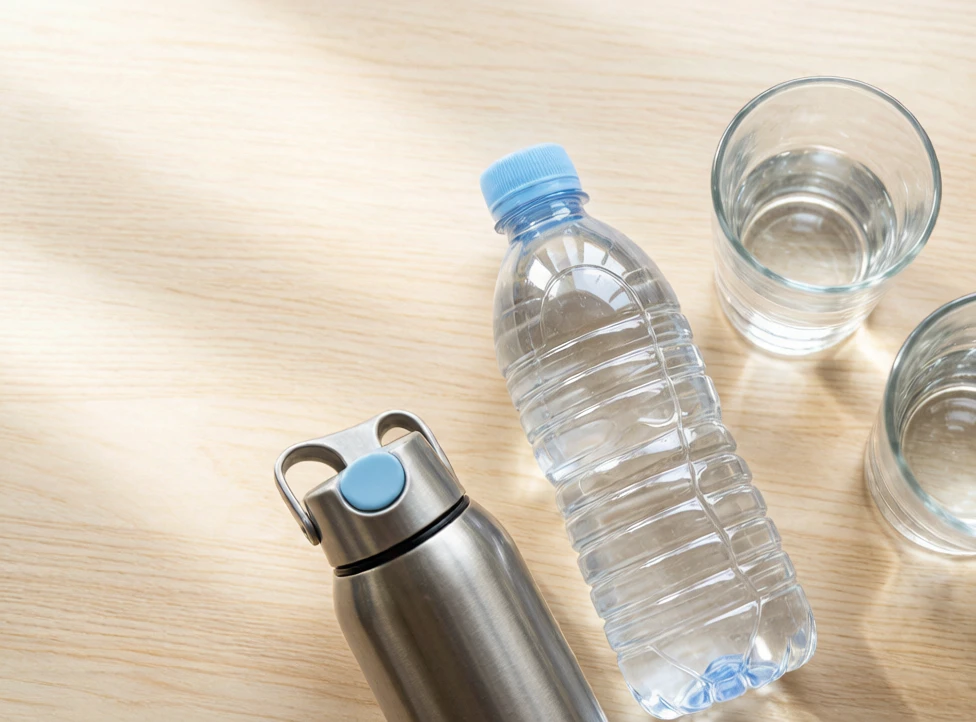
Street food in China is amazing and generally safe if you use common sense. The biggest health risks for travelers are dehydration, stomach bugs, and respiratory irritation on bad air days.
Food safety tips
- Eat where locals are eating
- Stick to busy stalls with high turnover
- Peel fruit yourself
- Ask for less oil or spice if needed
- Carry basic stomach medicine
Water and toilets
- Tap water is not safe to drink — buy bottled
- Many toilets are squat-style
- Carry your own toilet paper
- Public restrooms vary in cleanliness
- Hotels and malls usually have Western toilets
Medicine to bring
- Anti-diarrheal tablets
- Rehydration salts
- Basic pain relievers
- Any prescription meds (with copy of script)
- Hand sanitizer
Travel insurance covers the expensive stuff
Hospital visits and medical evacuation can cost thousands. A good policy is the cheapest peace of mind you’ll buy for the trip.
Fit in
Chinese culture tips that keep you out of trouble
You don’t need to be perfect. But a few habits — around queuing, tipping, and personal space — will make your days smoother.
Tipping is not expected
In restaurants, taxis, and hotels, tipping is not part of the culture. Good service is expected as standard.
Queueing is looser
Lines can feel pushy, especially at train stations. Stay calm and don’t take it personally.
Personal space is smaller
Crowds are normal. People stand close, speak loudly, and don’t always apologize for bumping into you.
Face matters
Avoid public confrontation. If something is wrong, handle it calmly and privately when possible.
Bring small gifts?
For homestays or local friends, a small souvenir from your country is appreciated. Not required for hotels or restaurants.
Shoes off indoors
If you visit someone’s home or certain traditional spaces, you’ll be expected to remove your shoes.
Just in case
China emergency numbers (save these)
Quick answers
China travel safety: frequently asked questions
Is China safe for solo female travelers?
Yes. Violent crime against foreigners is rare, and most cities feel safe to walk at night. The bigger issues are petty scams and occasional unwanted attention — stay aware in crowded tourist spots, and keep a copy of your passport on your phone.
Can I drink the tap water in China?
No. Tap water is not safe to drink — buy bottled or use a filtered bottle. Most hotels provide free bottled water; tea and boiled water (kai shui) are safe everywhere.
Do I need travel insurance for China?
Strongly recommended. Hospital visits and any medical evacuation can run into thousands of dollars. A policy that covers medical and evacuation is the cheapest peace of mind you’ll buy.
What’s the one scam I should watch for most?
The “tea ceremony” or “art student” invite from a friendly stranger near tourist sites. Genuine locals rarely pull tourists into private tea houses or galleries — politely decline and keep walking.
Keep reading
Other pillars
Practical first-trip China guides — visas, VPN, eSIM, Alipay, trains, and city routes.