1 · Visa
2 · Before you land
3 · Getting around
4 · Where to go
5 · Stay safe
Visa & entry requirements
China loosened entry rules in 2024–2026, but the right path still depends on your passport. Here are the three routes most first-time visitors use. Rules change — always confirm with the nearest Chinese embassy or the National Immigration Administration before booking.
- 30-day visa-free — UK, Canada, Australia & most EU passports can enter for tourism, business or transit for up to 30 days (pilot runs through 31 Dec 2026).
- 240-hour transit — citizens of 57 countries, including the US transiting through an approved port to a third country/region, up to 10 days. Hong Kong, Macau and Taiwan count as separate regions.
- L tourist visa — for longer stays or direct US entry; US travelers typically get a 10-year multi-entry visa with 60 days per visit. Apply about a month ahead.
Money, internet & transport apps
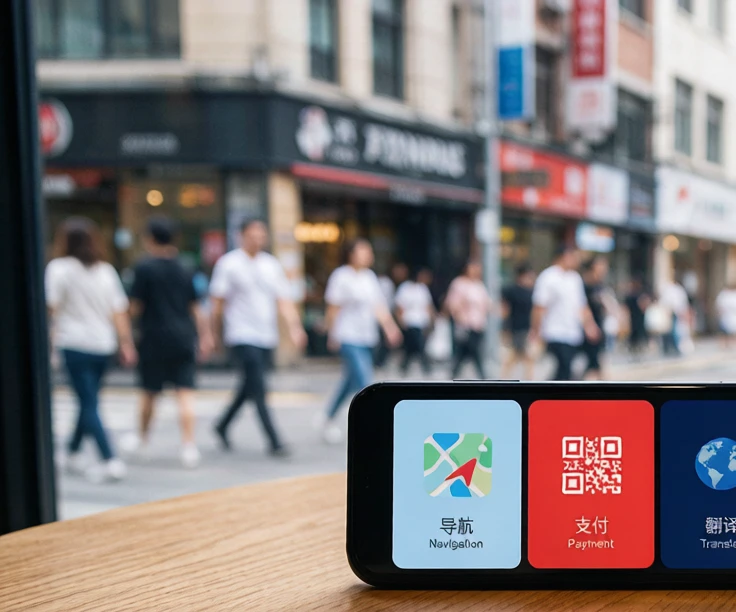
China is largely cashless and many Western sites are blocked. Sort these four things before your flight and your first day gets dramatically easier.
- Alipay & WeChat Pay — download both and link a foreign Visa/Mastercard/Amex after passport verification. Alipay is usually easiest for foreigners. Carry ¥200–500 cash as backup.
- A VPN — Google, Gmail, YouTube, WhatsApp, Instagram and Facebook are blocked. Install and test a reputable paid VPN before you leave; free ones rarely work.
- eSIM + DiDi — buy a China eSIM (Airalo/Holafly/Nomad) you activate by QR; install DiDi for English ride-hailing and keep your home SIM for bank SMS.
Trains, metros & taxis
Once you land, China’s transport is fast and cheap — if you know which app to open.
- High-speed rail — fast, punctual and usually cheaper than flying under 1,500 km. Book on Trip.com (English) or the official 12306 app. Your passport is your ticket.
- Metro — major cities have modern metros; pay by scanning your Alipay/WeChat transport QR at the gate. Signage is bilingual in Beijing, Shanghai, Guangzhou, Chengdu and Xi’an.
- Taxis — use DiDi, not street hailing. The English app takes foreign cards; if a driver refuses the meter, cancel and request another car. Tipping is not expected.
Realistic itinerary ideas
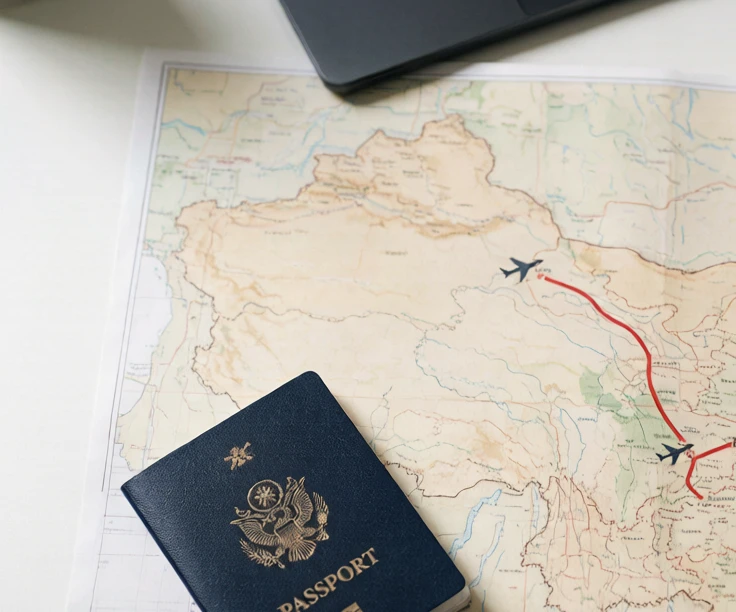
Starting points, not rigid schedules. Pick one that matches your days and energy, then resist over-packing.
- 7 days — Beijing plus one side trip (Tianjin by rail or a night near the Great Wall). Depth over distance.
- 10 days — the classic triangle: Beijing → Xi’an (Terracotta Warriors) → Shanghai. The best first-trip sampler.
- 14 days — east-to-west sweep adding Chengdu (pandas) and Guilin/Yangshuo (karst scenery). More variety, more transit.
Is China safe? What to watch
Major Chinese cities are safe for tourists, but a few habits save the trip.
- Personal safety — violent crime against tourists is rare; keep phones and wallets in front pockets in crowded markets and subway stations.
- Common scams — the “tea ceremony” and “art student” invites near major sites end in a large bill. Decline politely and use DiDi to avoid taxi meter scams.
- Health — don’t drink tap water; buy travel insurance because hospitals often require upfront payment; carry an N95 in winter smog.
First-time China checklist
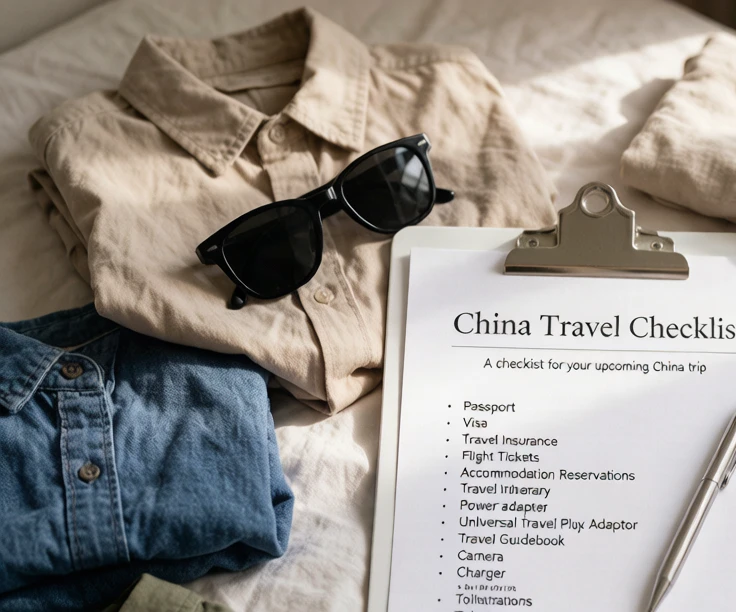
Print or screenshot this list before you fly. These are the items that make the biggest difference on arrival.
- Passport valid 6+ months
- Visa pathway confirmed (visa-free, transit, or L visa)
- Alipay or WeChat Pay set up with foreign card
- VPN installed and tested before departure
- eSIM or roaming plan activated
- Travel insurance purchased
- First hotel name and address copied
- DiDi and at least one map app downloaded
First-time China FAQs
Do I need a visa to visit China?
It depends on your passport. UK, Canadian, Australian, and most EU passport holders can enter mainland China visa-free for up to 30 days through 31 December 2026. US citizens are not on that list, but can use the 240-hour visa-free transit when flying through an approved port to a third country or region. For longer trips, apply for an L (tourist) visa at a Chinese Visa Application Service Center.
Can I use Google, WhatsApp, Instagram, or Gmail in China?
No — these services are blocked in mainland China without a VPN. Install a reputable paid VPN on every device before you leave home. Many China eSIMs route through Hong Kong and let WhatsApp and Google work without a separate VPN, but a VPN is still the safest backup.
Can I pay with a foreign credit card in China?
Major hotels and some large chains accept Visa and Mastercard, but most restaurants, taxis, markets, and trains are cashless and expect Alipay or WeChat Pay. Both apps accept foreign Visa, Mastercard, and Amex after passport verification. Set them up before you fly and carry a small amount of Chinese yuan as backup.
Is China safe for first-time tourists?
Violent crime against tourists is rare in major cities and city centers feel safe at night. Watch for petty theft in crowded markets and subway stations, and avoid the “tea ceremony” and “art student” scams near tourist sites. Do not drink tap water, and buy travel insurance before you leave because hospitals often require upfront payment.
How far in advance should I book high-speed rail tickets?
High-speed rail tickets usually open about 15 days before departure. For popular routes during Chinese public holidays (May, October, Chinese New Year), book as early as possible. For regular weekends, a few days ahead is usually enough. Use Trip.com for the easiest English booking experience.
Want a China plan built just for you?
Tell us your dates, budget, and must-sees. We design a daily route, book links, and local tips you will not find in a generic guide.
Practical first-trip China guides — visas, VPN, eSIM, Alipay, trains, and city routes.