Start here
Must-sees in Shanghai
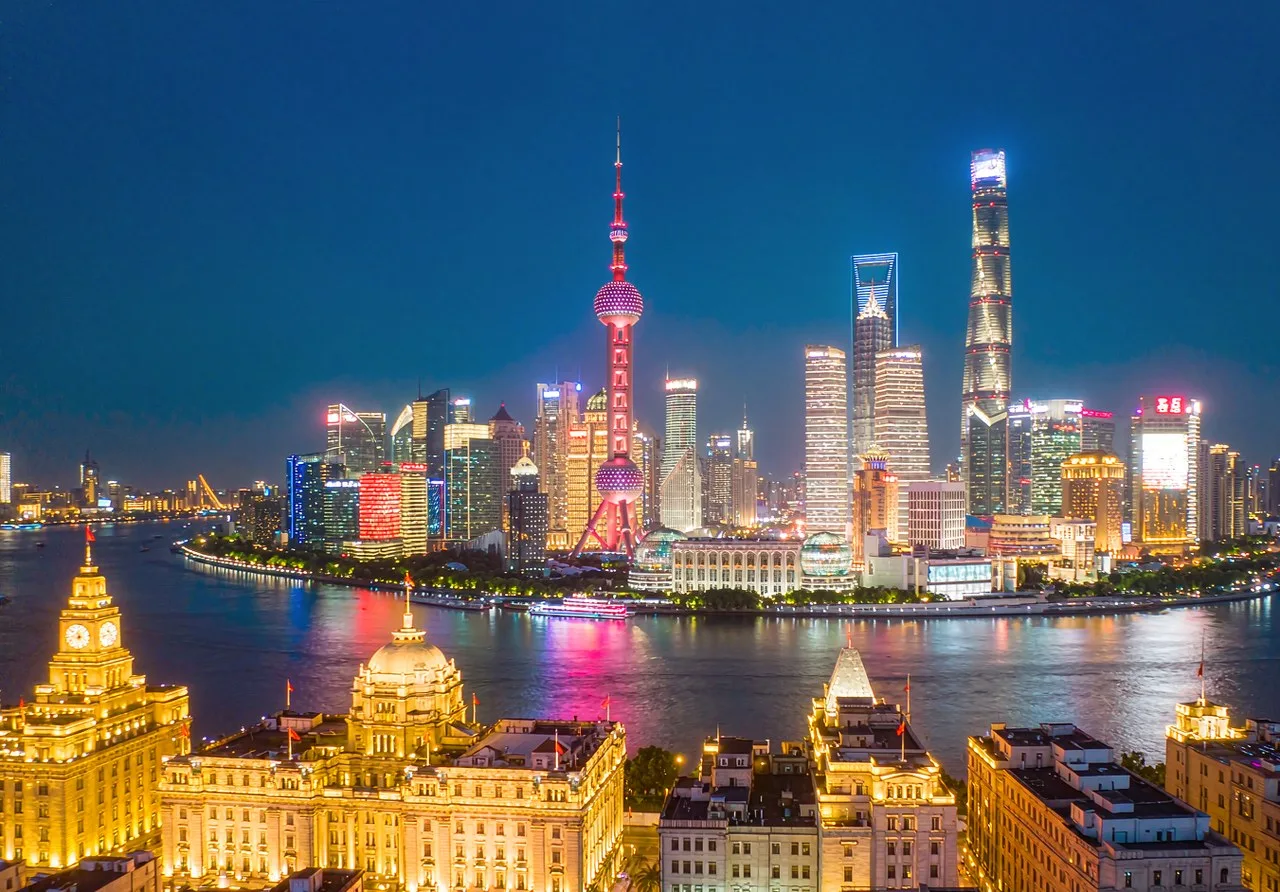
Two banks of the Huangpu tell the story: the Bund’s 1920s architecture on the west, and Pudong’s glass-and-steel towers on the east. Add old gardens, shopping streets, and a canal town on the city’s edge.
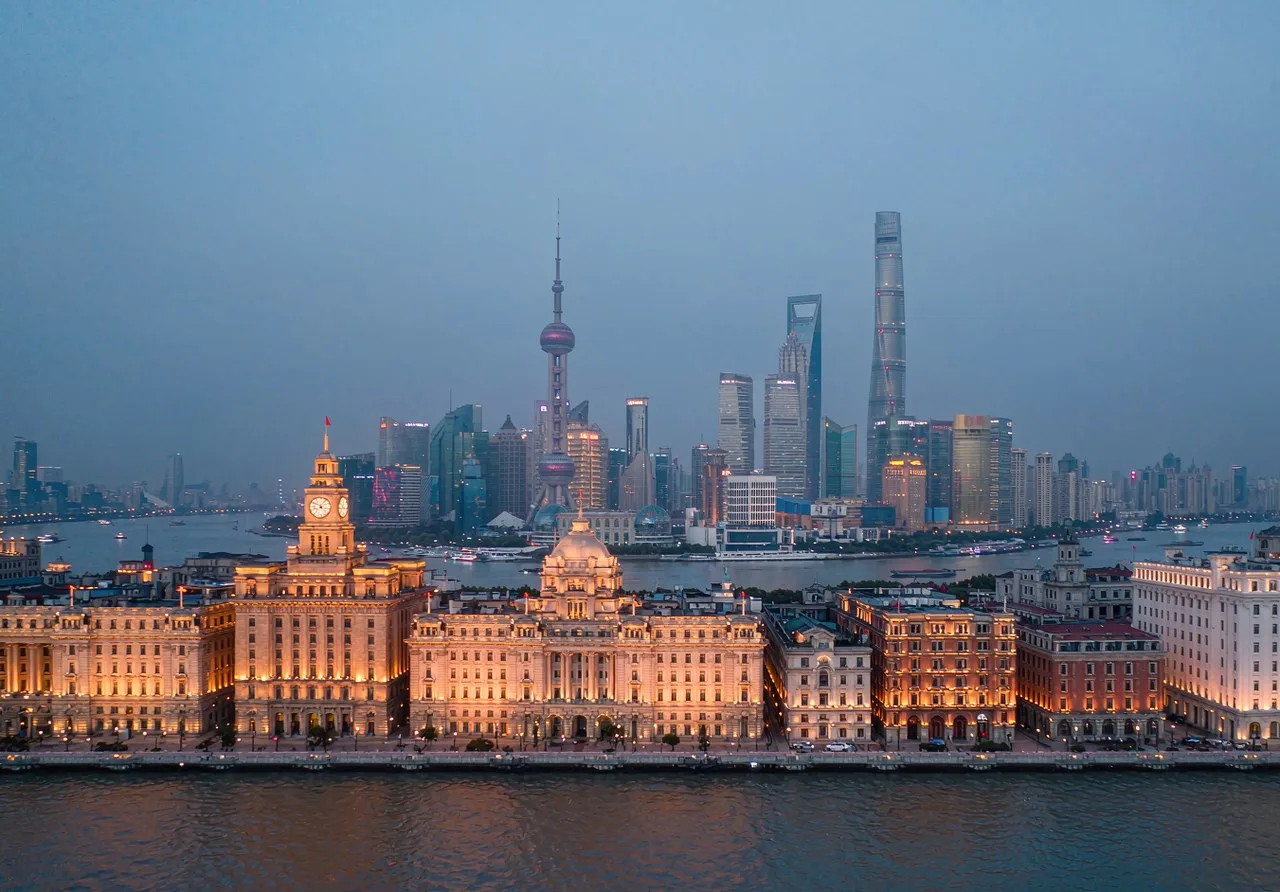
The Bund
A mile of 1920s banks, hotels, and trading houses facing the river. Come at dusk when the Pudong skyline lights up across the water — the city’s best free show.
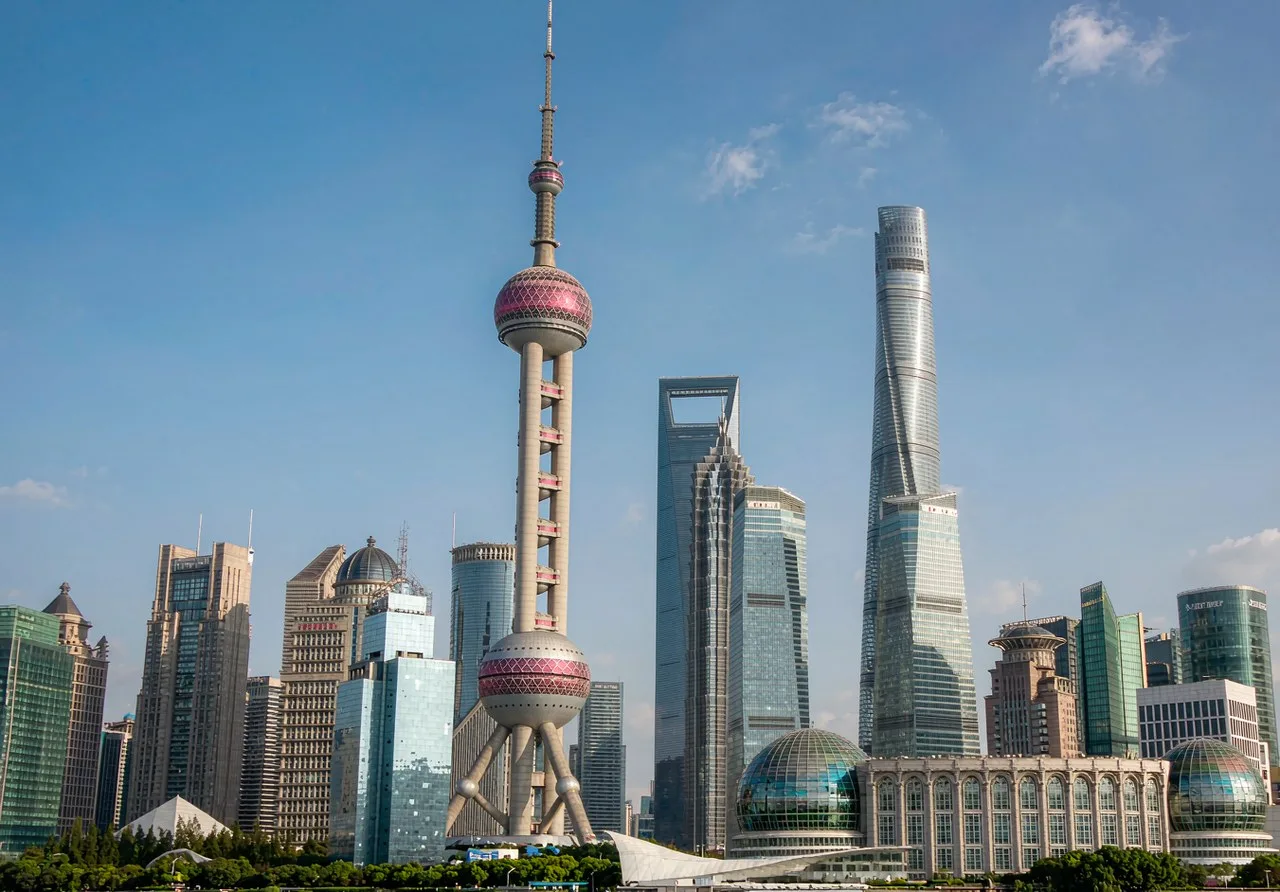
Pudong skyline
The Oriental Pearl, Jin Mao, and Shanghai Tower (632 m, China’s tallest) define the east bank. Go up one for the view, then walk the riverside promenade below.
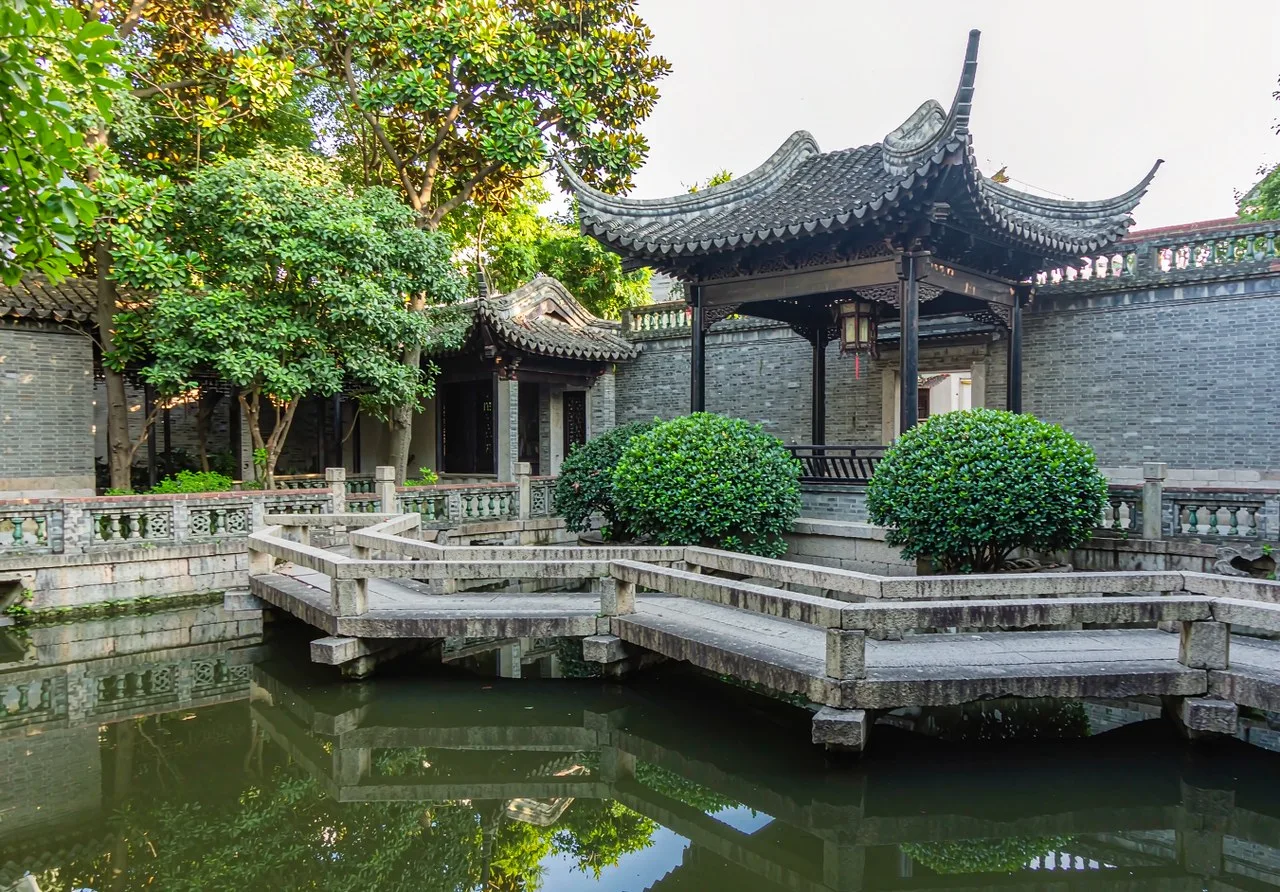
Yu Garden
A Ming-dynasty garden of pavilions, rockeries, and the famous zigzag bridge. The surrounding bazaar is touristy but the dumpling shops around here are real.
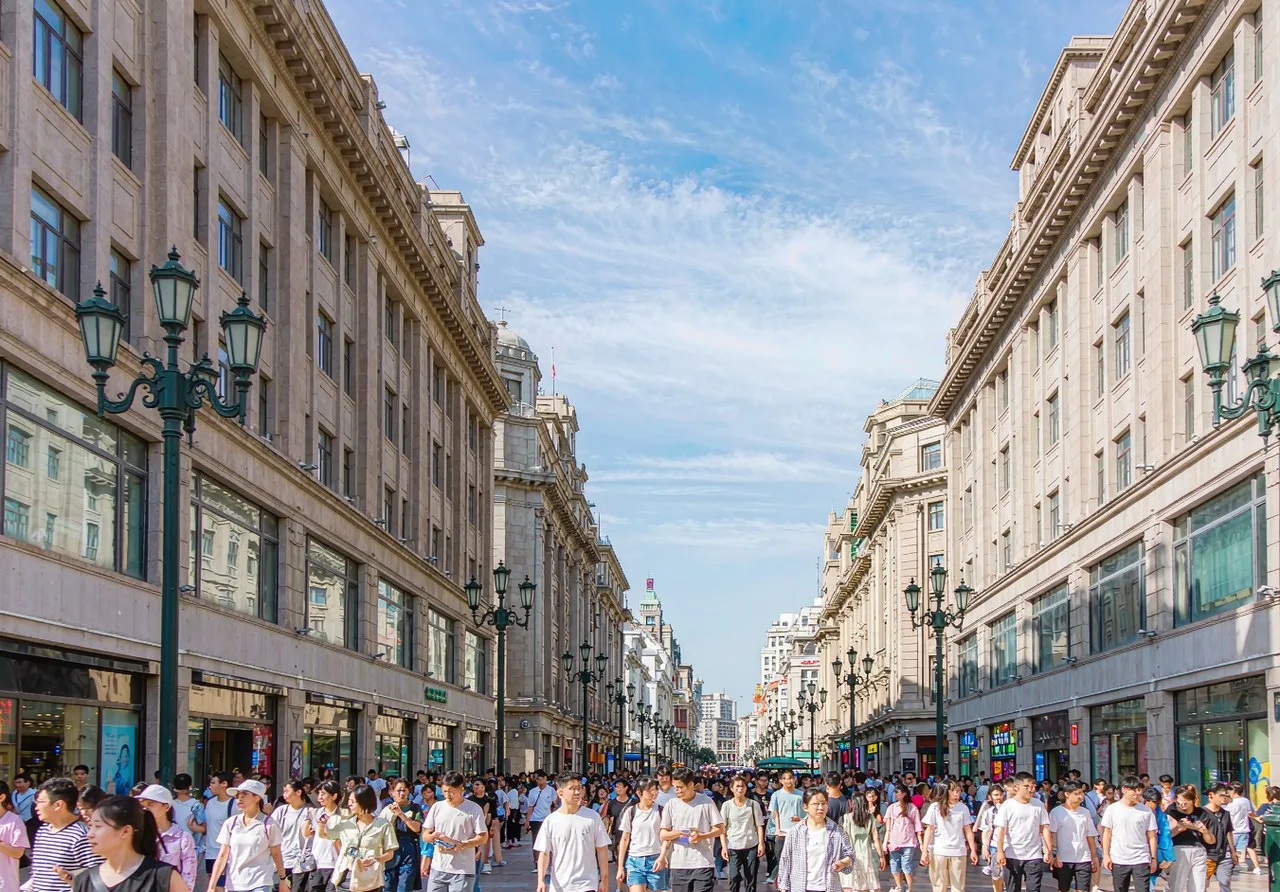
Nanjing Road
China’s most famous shopping street, running from the Bund west toward People’s Square. Good for a walk, department-store browsing, and people-watching.
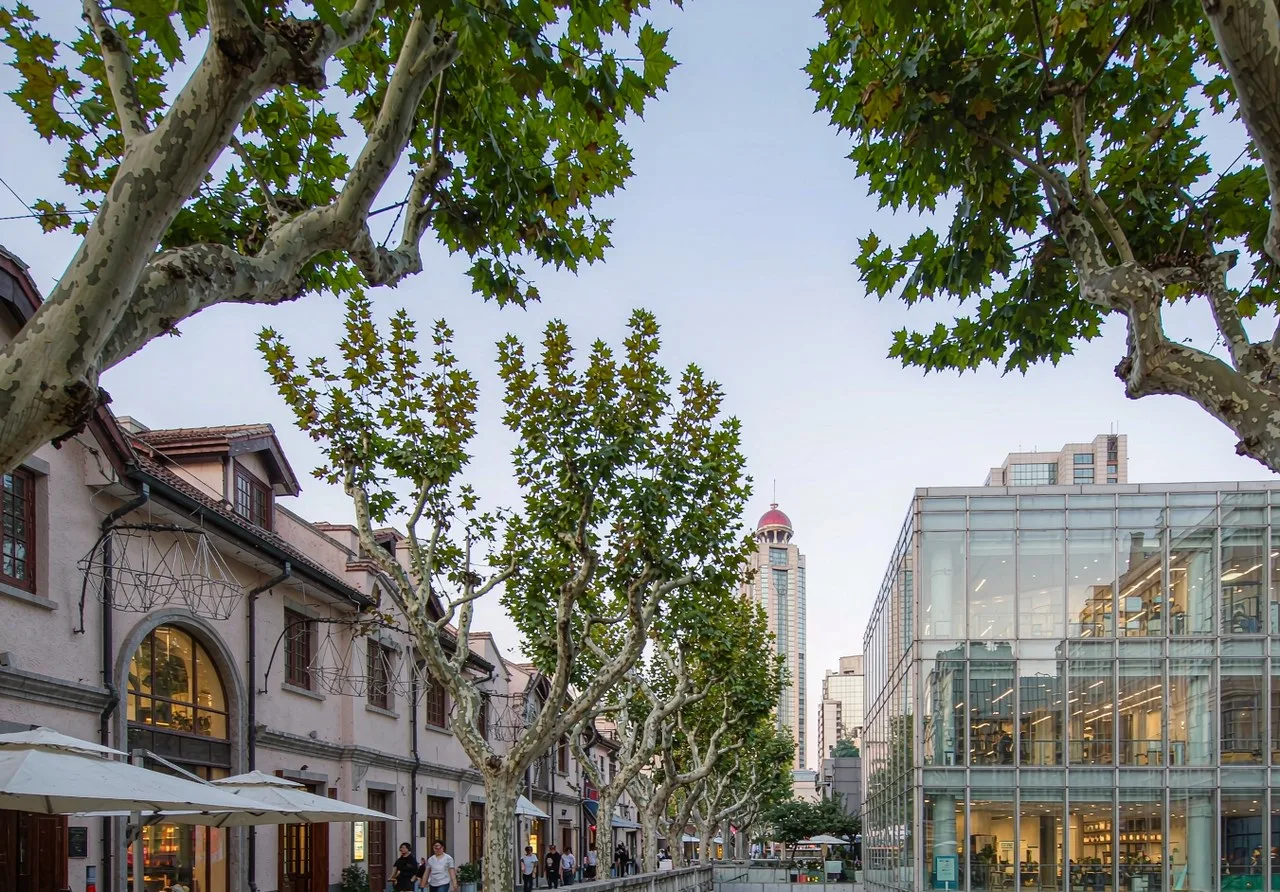
Xintiandi & French Concession
Stone-gate houses turned into cafés, restaurants, and shops. Nearby Wukang Road and the plane-tree avenues make the best wander in the city.
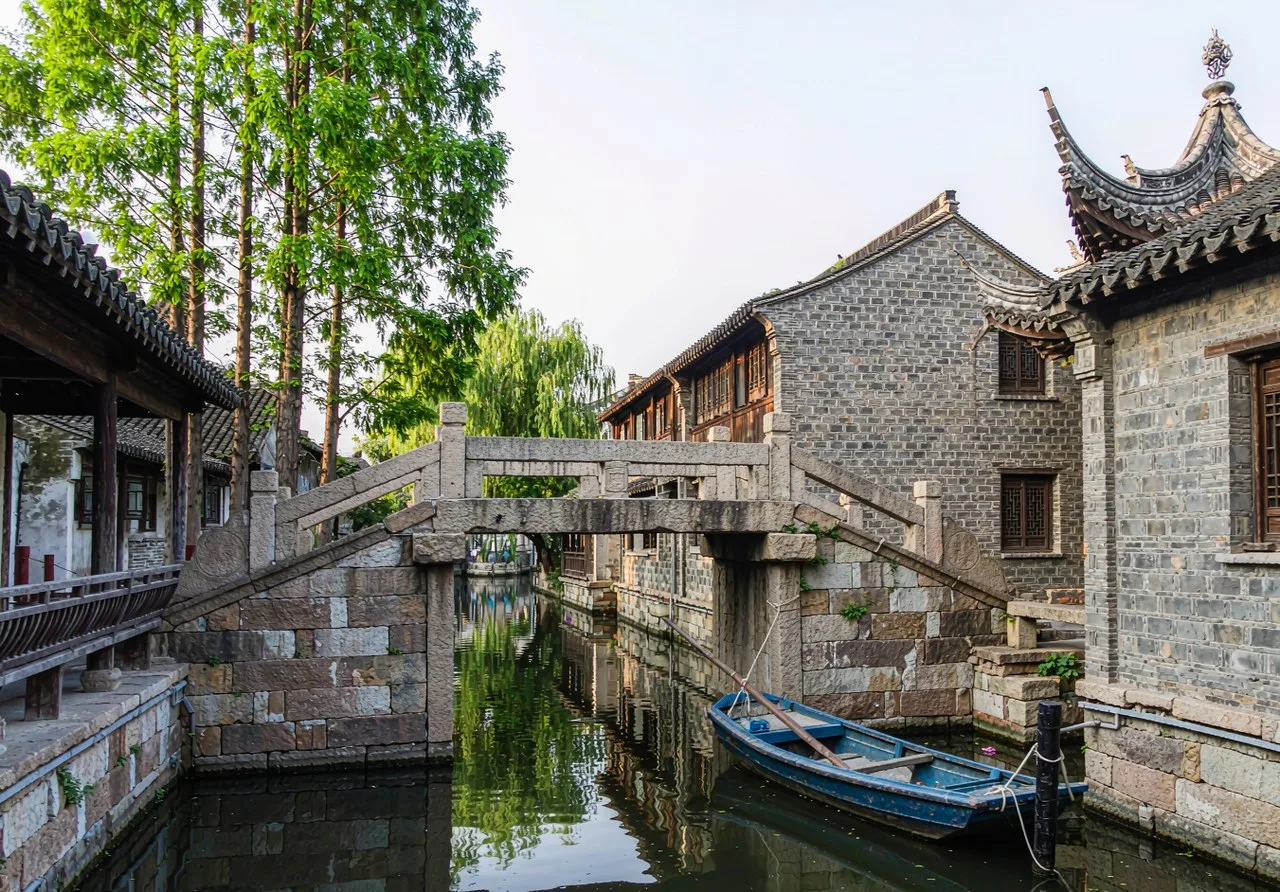
Zhujiajiao (day trip)
A canal town of stone bridges, grey-brick houses, and quiet waterways about an hour west on Metro Line 17 — a half-day escape from the towers.
When to go
Best time to visit Shanghai
Mild temperatures and blooming trees along the former French Concession. The most pleasant season.
Clear skies, comfortable days, and the best light for skyline photos. Another ideal window.
June plum rains, July–August heat and humidity (often above 35°C), and January–February cold drizzle.
Logistics
Getting there & getting around
Three days
A first-timer’s 3-day Shanghai plan
Morning: Yu Garden and the bazaar. Afternoon: Nanjing Road walk from People’s Square to the Bund. Evening: Bund promenade at dusk, then dinner in the former French Concession.
Morning: cross the river to Pudong and go up the Shanghai Tower or the Oriental Pearl. Afternoon: Riverside promenade and the Shanghai History Museum. Evening: rooftop drink with skyline views.
Morning: wander Xintiandi and Wukang Road. Afternoon: either the West Bund art museums or a half-day trip to Zhujiajiao on Metro Line 17. Evening: local dinner and a Huangpu River cruise.
Where to sleep
Where to stay in Shanghai
People’s Square / the Bund
Most central for first-timers. Walking distance to the Bund, Nanjing Road, and Yu Garden, with major metro lines underneath.
Jing’an
A modern, upscale area with international hotels, malls, and easy metro access. Quieter than the Bund at night.
French Concession
Tree-lined streets, boutique hotels, cafés, and restaurants. Best if you want charm, walking, and a local feel.
What to eat
What to eat in Shanghai
Shanghai cuisine is rich, sweet, and saucy. Start with dumplings, then move into slow-braised dishes. Payment is cashless — set up Alipay or WeChat Pay before you arrive.
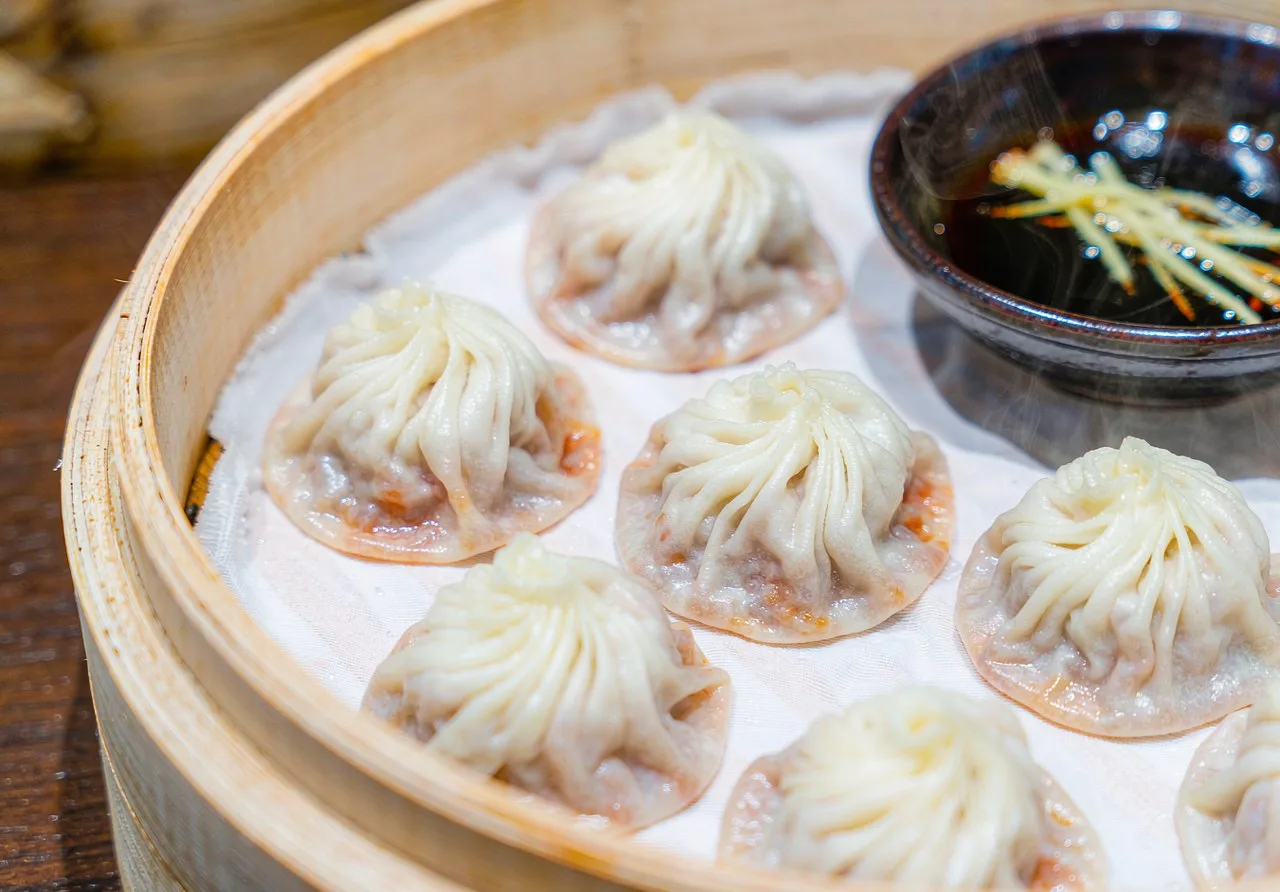
Xiaolongbao
Delicate soup dumplings, best around Yu Garden and the old town. Dip in black vinegar with shredded ginger. Eat them hot.

Shengjianbao
Pan-fried pork buns with a crispy base and hot soup inside. A classic Shanghai breakfast, sold at street windows across the city.
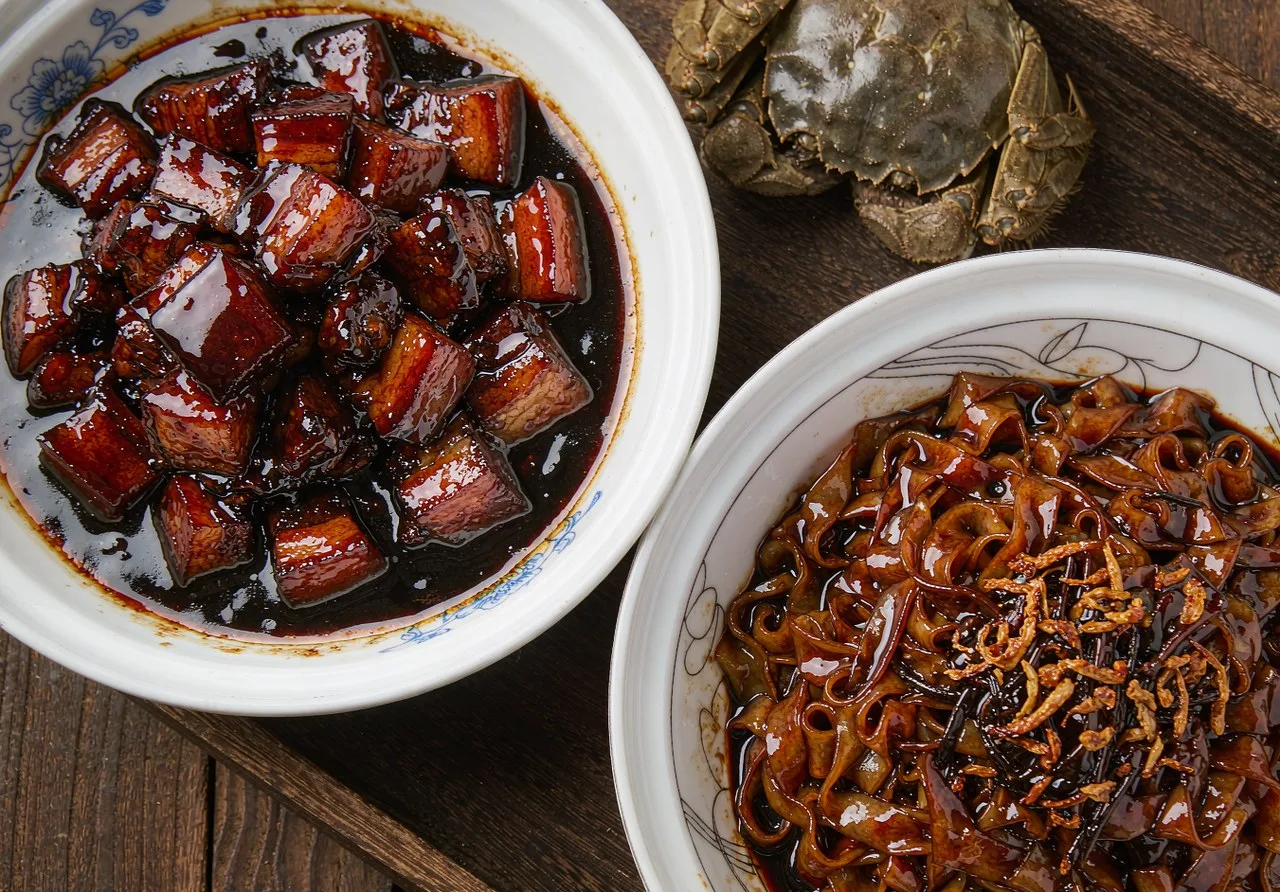
Benbang (local) dishes
Try hong shao rou (red-braised pork), cong you ban mian (scallion oil noodles), and hairy crab / crab-roe xiaolongbao in autumn.
Costs
Shanghai travel budget
Hostel/budget hotel + metro + street food: ~RMB 350–500 per day.
3–4 star hotel + sit-down meals + taxis/DiDi: ~RMB 800–1,400 per day.
Boutique hotel, skyline restaurants, private transfers: RMB 2,000+ per day.
Prices are given in RMB. Credit cards are accepted at international hotels and malls, but Alipay and WeChat Pay dominate daily life.
Stay safe
Safety & common scams
Shanghai is one of the safest big cities in the world. Violent crime against tourists is rare. Most issues are small scams and petty theft.
- Pickpockets: Watch your bag on crowded metro lines and at Yu Garden/Nanjing Road.
- Fake “art student” / tea ceremonies: Friendly strangers inviting you to an expensive tea shop or art gallery are a well-known scam. Politely decline.
- Taxis: Use DiDi or official taxis with meters. Ignore drivers who approach you inside the airport.
- Crossing the road: Even on green lights, scooters and bikes keep coming. Look both ways.
See more health, insurance, and emergency tips in our China safety guide.
Common questions
Three days covers the Bund, Pudong, Yu Garden, and a neighbourhood wander. Add a fourth day for Disney, Suzhou, or Hangzhou.
Almost never. Alipay and WeChat Pay cover metro, taxis, restaurants, street food, and convenience stores. Set them up before arrival.
Pudong (PVG) for most international flights; Hongqiao (SHA) for domestic flights and if you want to be closer to the city centre.
More than most Chinese cities. Metro signs and major restaurants have English. A translation app and written Chinese addresses still help.
The Bund promenade at night, or from the observation deck of the Shanghai Tower for a high-angle panorama.
More China city guides
Shanghai is one stop on the trip. See the full set — Beijing, Chengdu, Xi’an and more — in our city hub.
Continue your planning
Plan the rest of China
Practical first-trip China guides — visas, VPN, eSIM, Alipay, trains, and city routes.