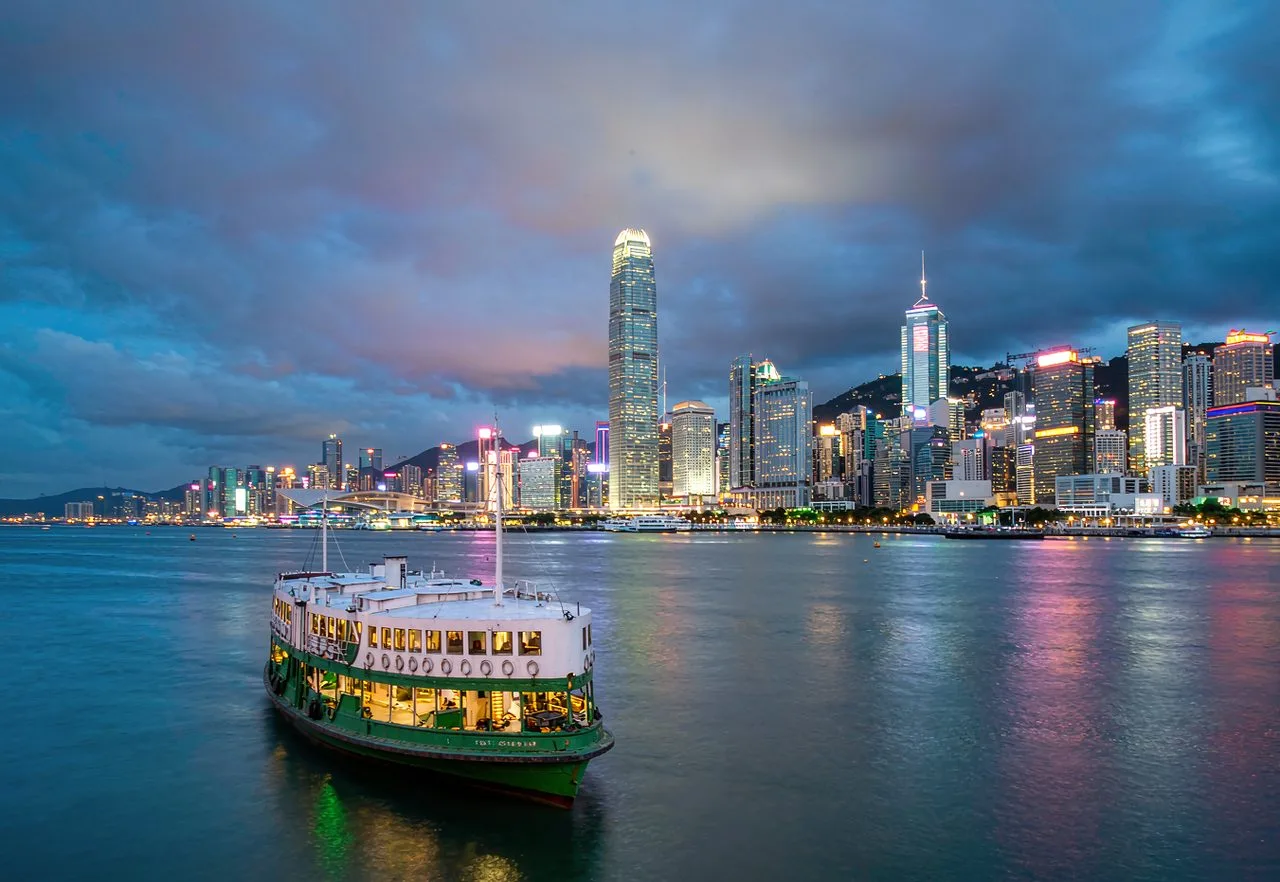
Don’t miss these four
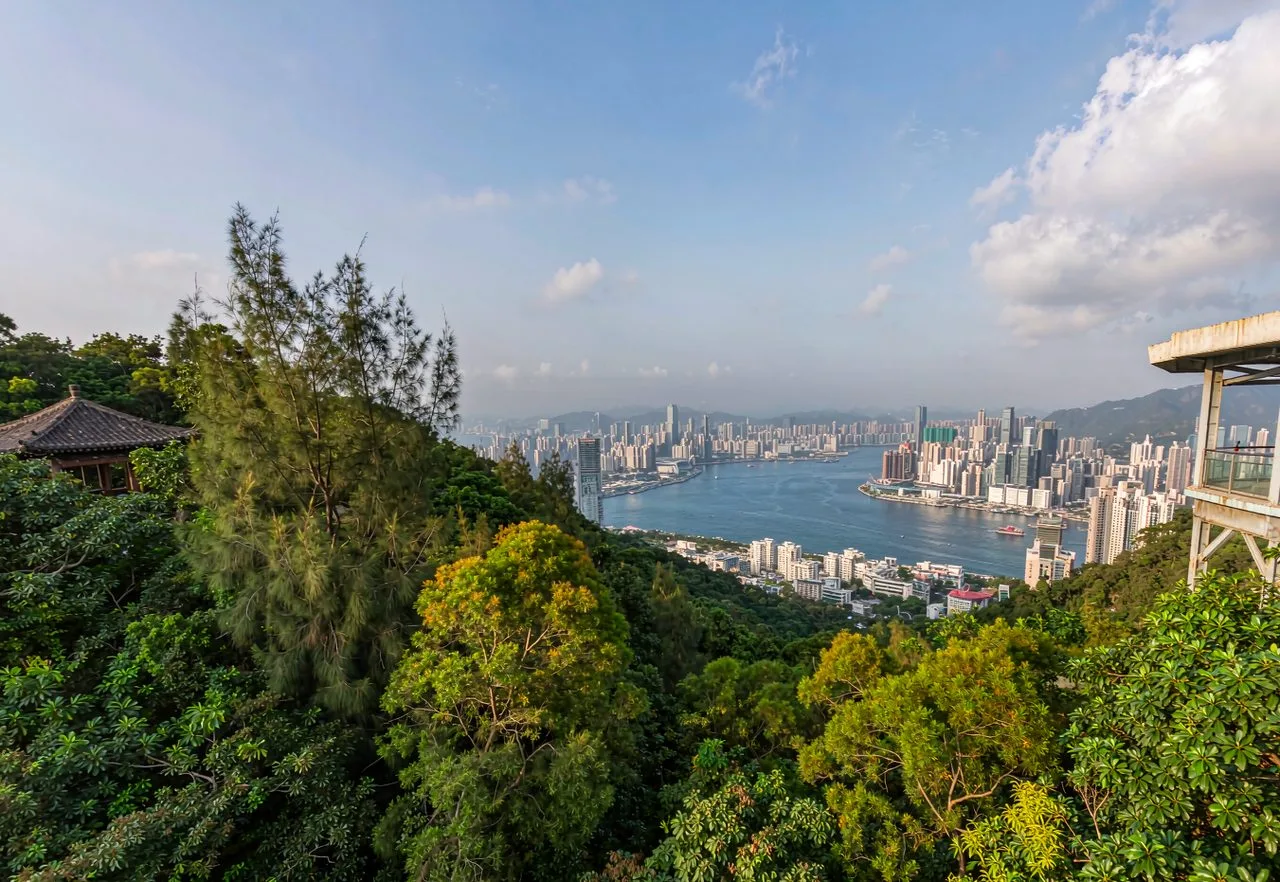
Victoria Peak
Ride the sixth-generation Peak Tram from Garden Road in Central up to the city’s highest point. Go late afternoon and stay for the skyline lights; the Sky Terrace 428 deck (428 m) gives the widest view. Round-trip tram tickets run about HK$88 on weekdays and HK$108 on weekends. Those are walk-up fares, and the operator revises them from time to time, so check the official site. A combo with the Sky Terrace 428 deck starts around HK$149 if you buy online — book ahead to skip the long walk-up queues.
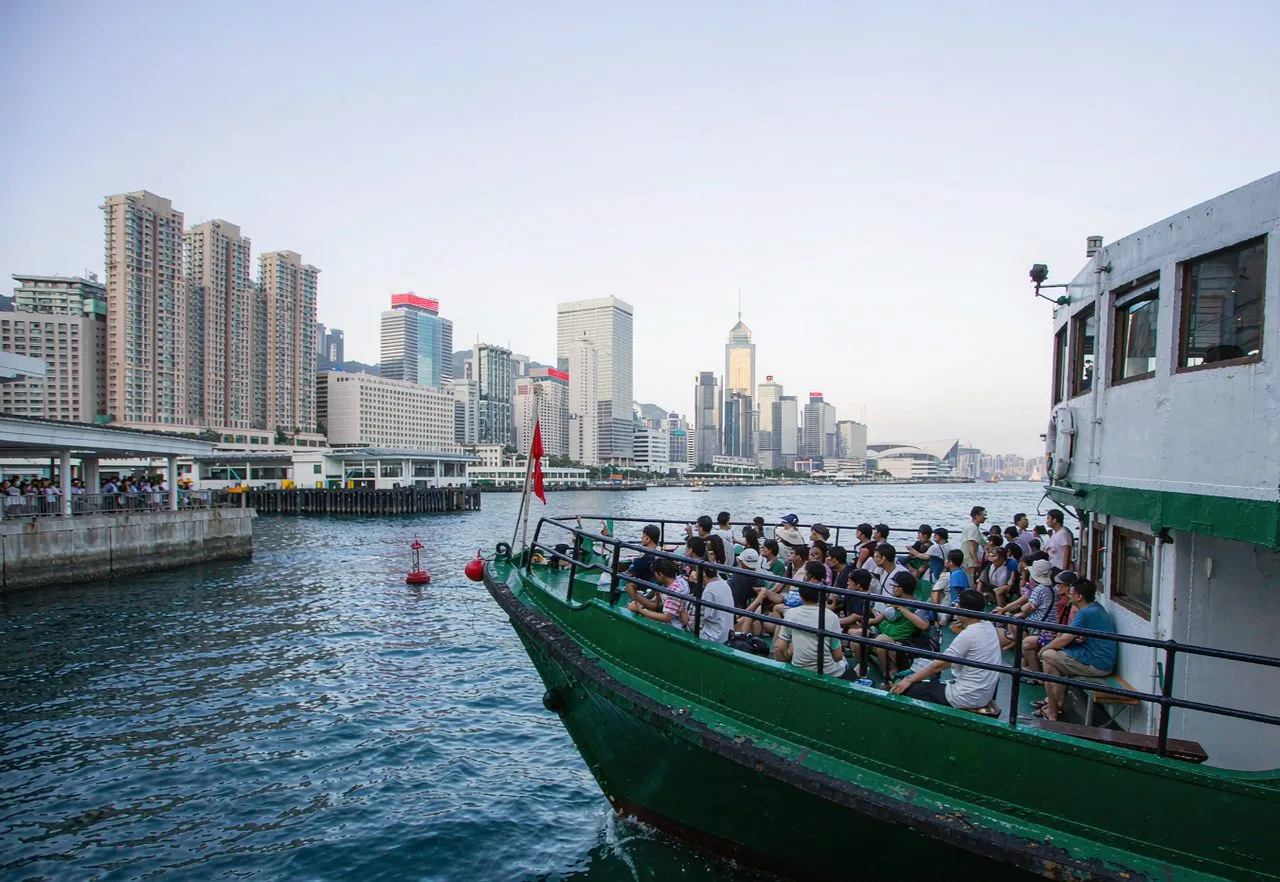
Star Ferry
The cheapest great harbour view in town. The green-and-white ferries have crossed Victoria Harbour since 1888. The Central to Tsim Sha Tsui trip takes about 8–10 minutes and costs only a few Hong Kong dollars — about HK$5 on weekdays for the upper deck. Ride it at dusk for the skyline and the light show across the water.
Symphony of Lights
A free light-and-sound show plays across the harbour every night at 8 pm, with buildings on both shores firing lasers and beams in time to music. Watch it from the Tsim Sha Tsui promenade or the Star Ferry deck for the best angle.
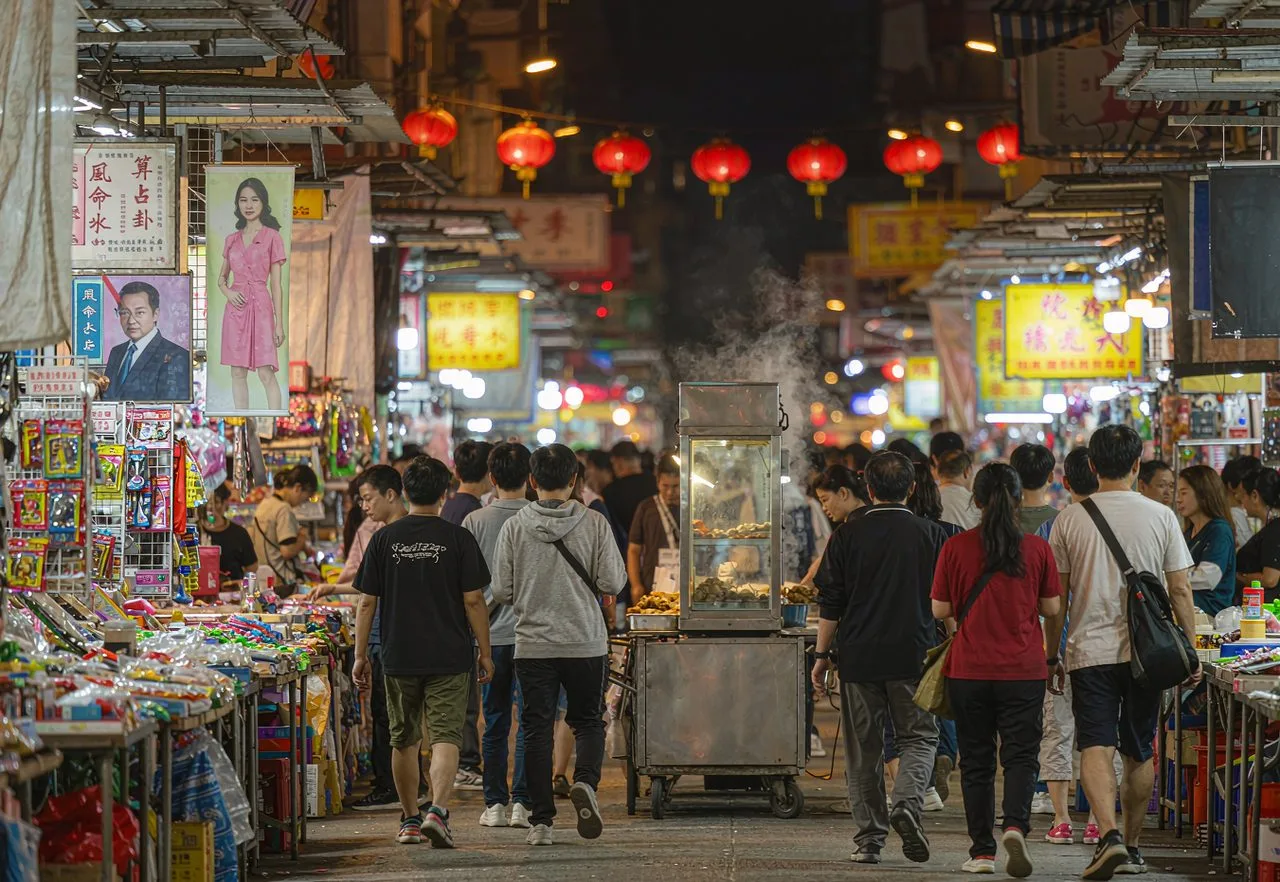
Temple Street Night Market
Street food, cheap souvenirs, fortune tellers and a loud local atmosphere. Come hungry after dark and walk the stalls from Jordan to Yau Ma Tei — it is the easiest place to feel Hong Kong’s noisy, neon side.
How the city breaks down
Hong Kong’s food in three stops
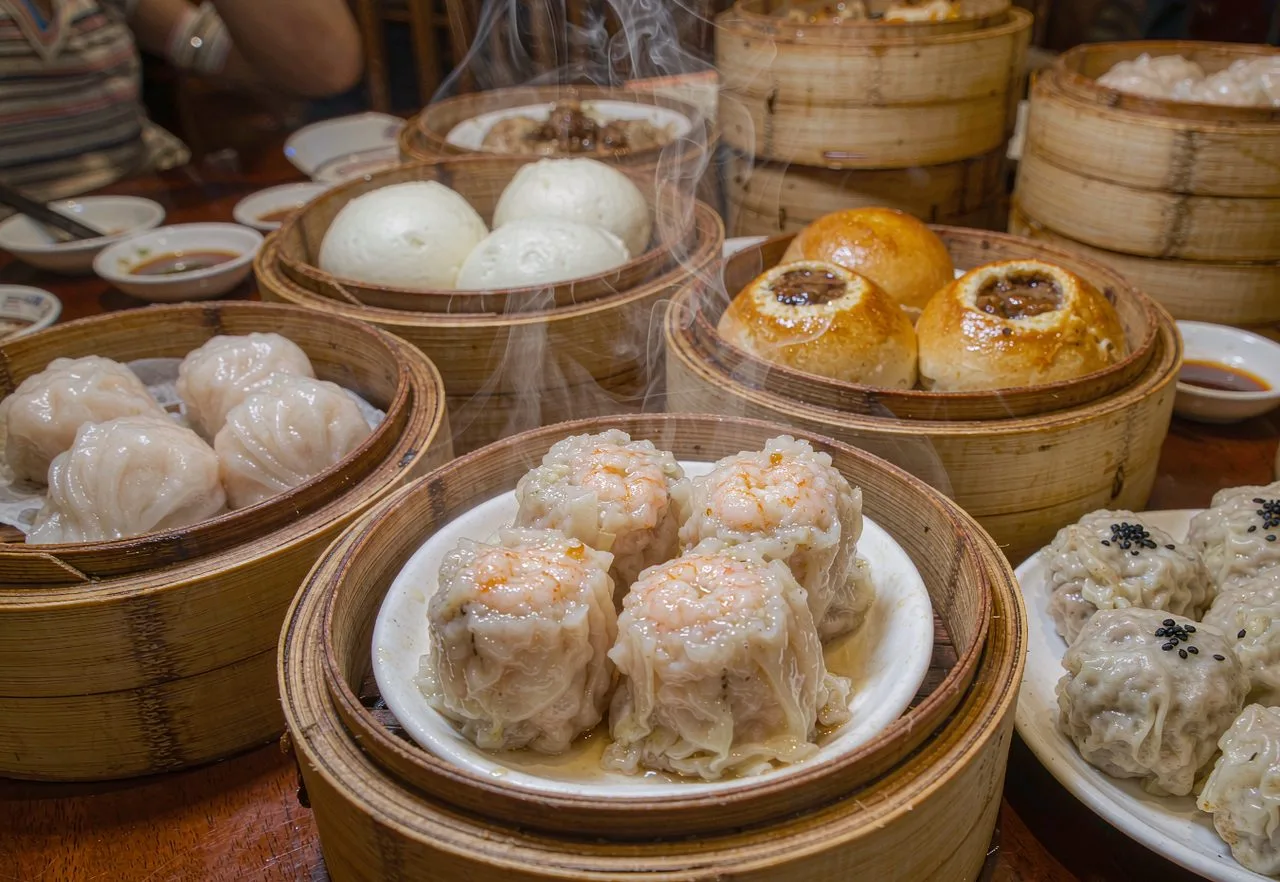
Dim sum
Steamed har gow (shrimp dumplings), char siu bao and egg tarts. Old-school halls still serve from trolleys; newer spots use a tick sheet. Go before 1 pm on weekends.
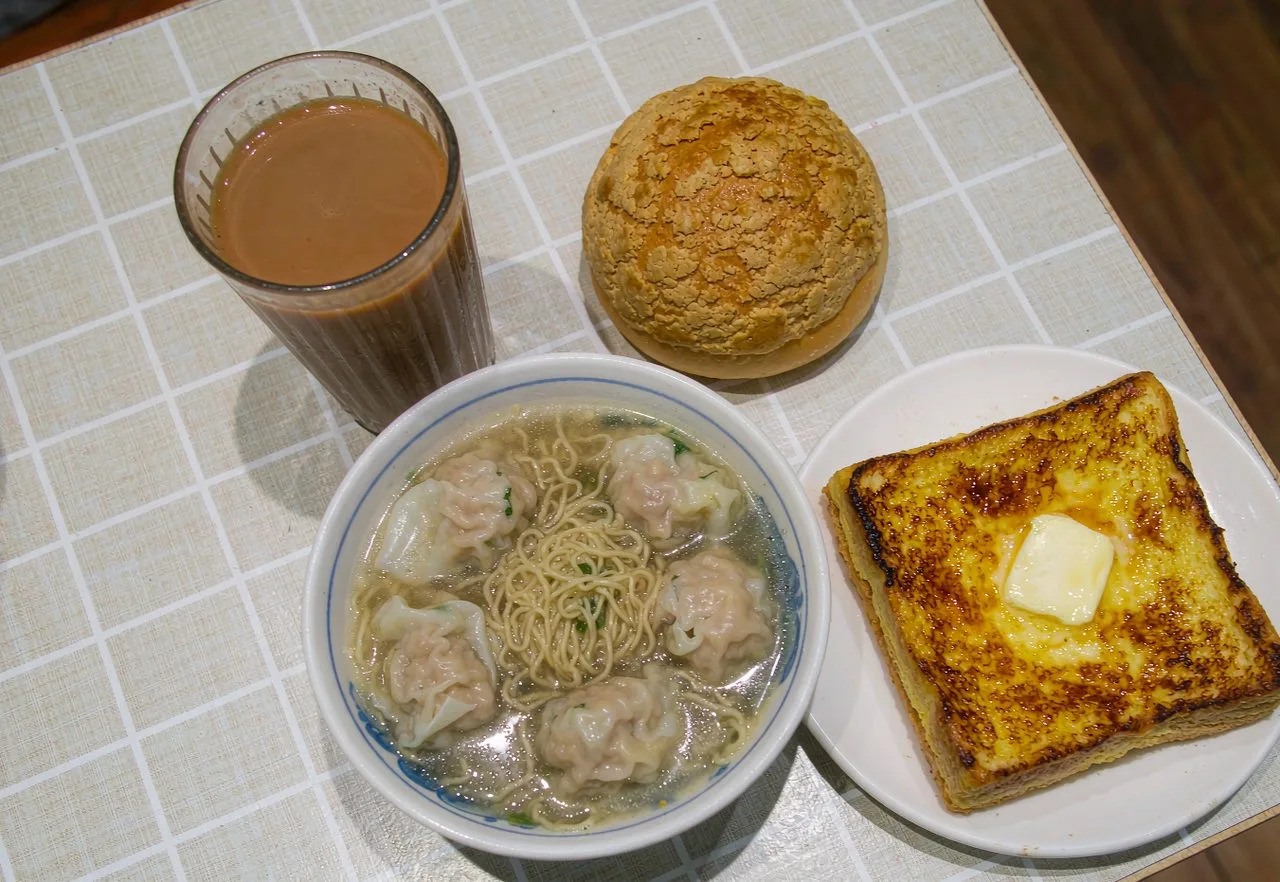
Cha chaan teng
A local “tea restaurant” for silky milk tea, pineapple bun and wonton noodles. Cheap, fast and everywhere — the easiest way to eat like a local.
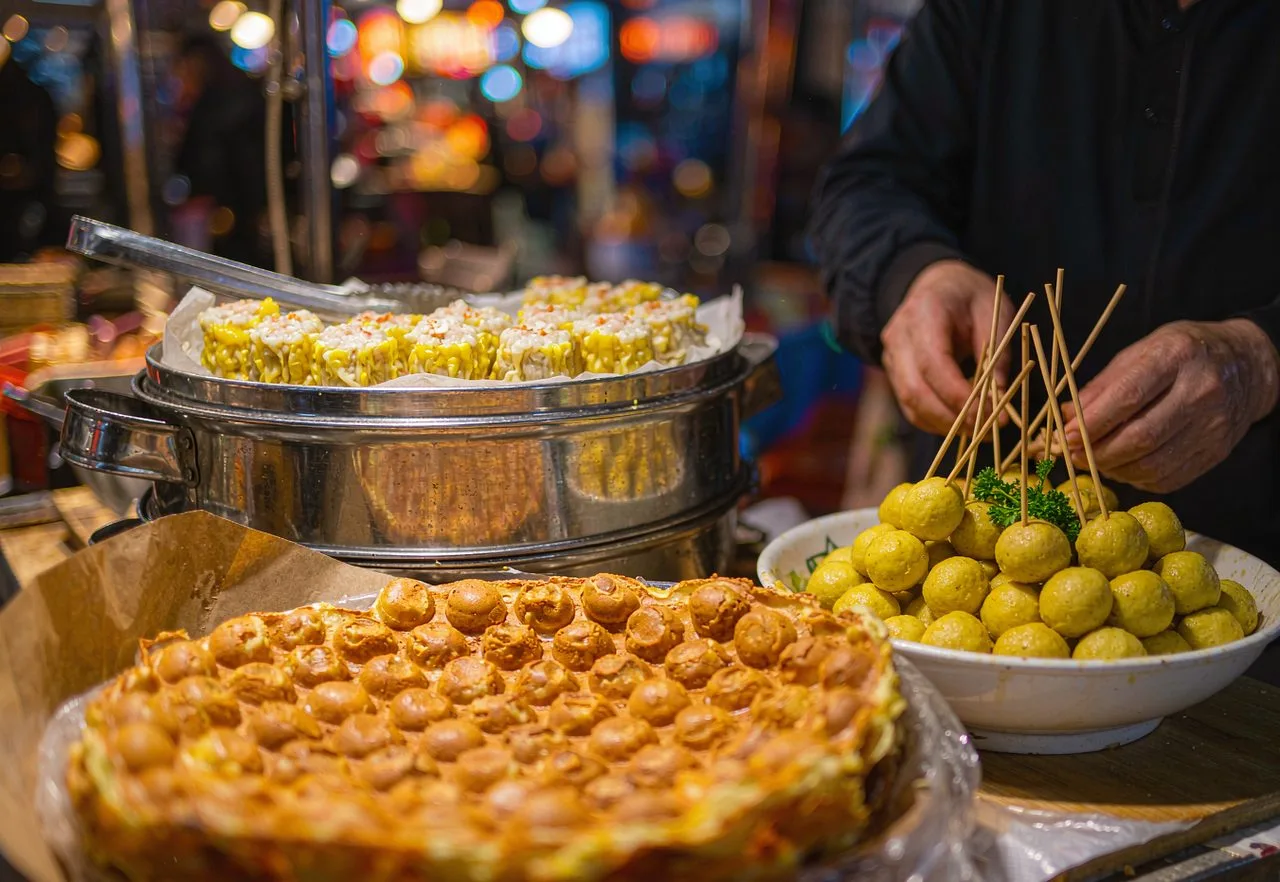
Street snacks
Egg waffles, curry fish balls and siu mai from stalls in Mong Kok and Temple Street after dark. Pair them with a cold soy-milk drink from a corner shop.
Easy day trips
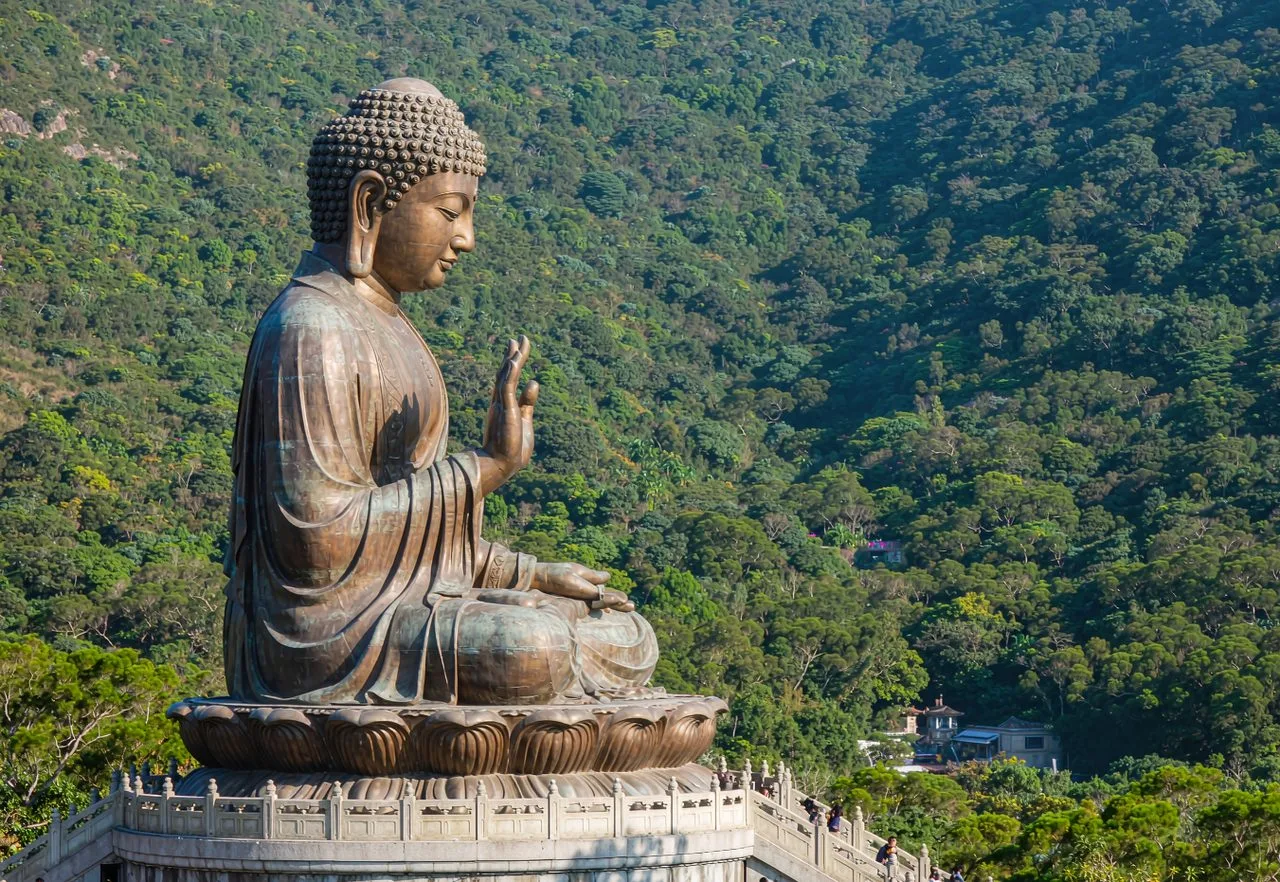
Lantau & the Big Buddha
Ride the Ngong Ping 360 cable car to see the 34 m bronze Tian Tan Buddha, then walk the nearby Wisdom Path. An easy half-day from the city, with great coastal views on the way up.
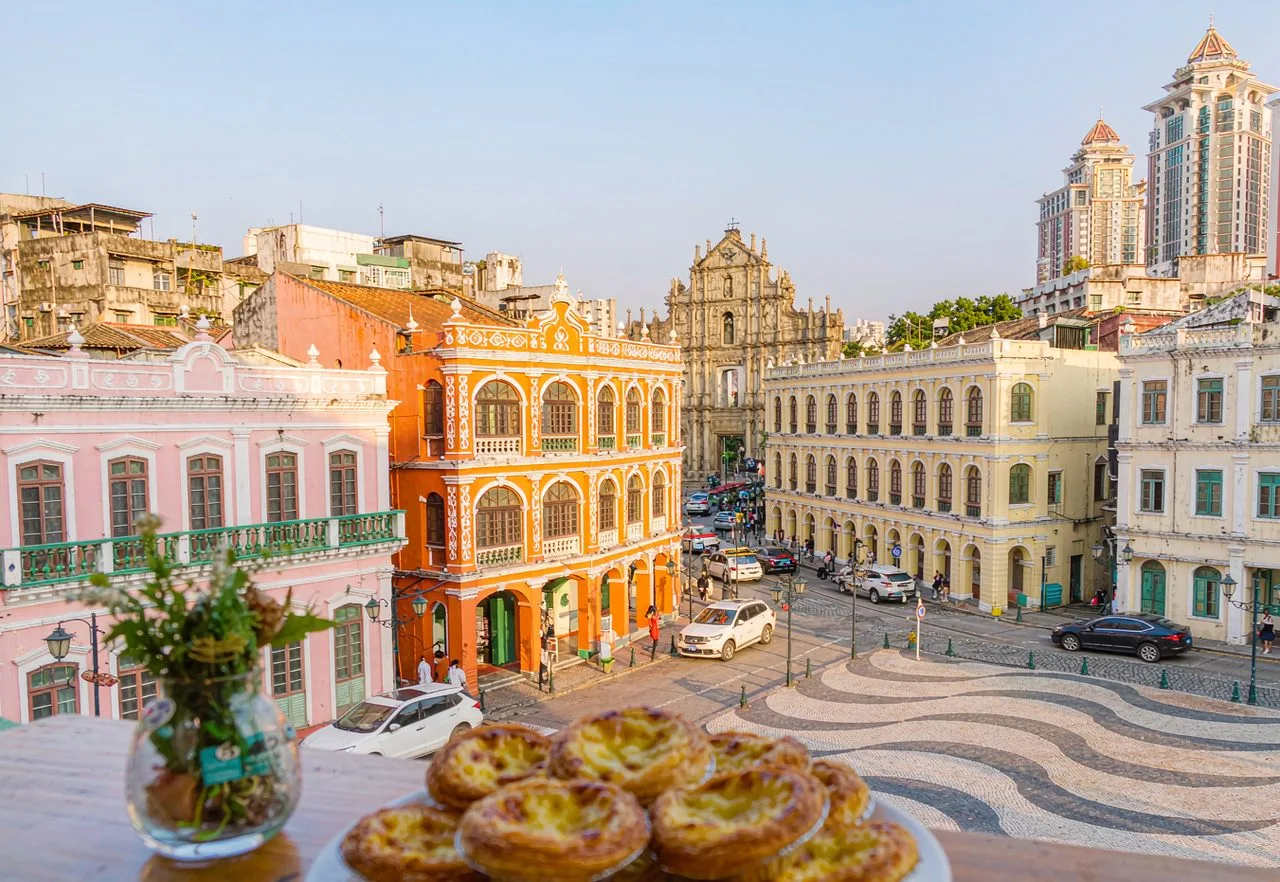
Macau
A one-hour ferry from the harbour takes you to Macau — Portuguese heritage, grand casinos and famous egg tarts. Doable as a long day trip if you leave early and book the ferry ahead.
First-timer’s weekend route
- Peak Tram up Victoria Peak
- Mid-Levels Escalator and SoHo lunch
- Star Ferry across to Tsim Sha Tsui
- Harbour promenade + 8 pm light show
- Mong Kok markets and street breakfast
- Yau Ma Tei and the Man Mo Temple
- Hong Kong Palace Museum or West Kowloon
- Temple Street Night Market dinner
Getting to Hong Kong
By air
Hong Kong International Airport (HKG) is about 24 minutes from the centre on the Airport Express — roughly HK$120 with an Octopus card (or HK$130 by single ticket), with free shuttle buses to major hotels. Taxis and buses are also options.
From the mainland
High-speed trains arrive at West Kowloon Station from Guangzhou, Shenzhen and many mainland cities; you walk across the border rather than fly. A mainland China visa does not cover Hong Kong — you clear separate immigration on each side.
How to move across the city
Buy an Octopus card on arrival. It works on the MTR, buses, trams, the Star Ferry and even convenience stores. The MTR is fast, clean and signed in English. Cards, Octopus and cash (Hong Kong dollars) are the reliable default; mainland payment apps like Alipay and WeChat Pay now work in many chain and tourist stores, but coverage is patchy, so keep Octopus and some cash as backup.
Best time to visit Hong Kong
October to December is the sweet spot — clear, dry and comfortably cool, with the best city and harbour views. March and April are a good runner-up. Avoid summer (June to August): hot, humid and typhoon season, when a Signal 8 can shut the city down for a day.
If you can, skip the first week of October (Golden Week) and Chinese New Year week, when crowds and hotel prices spike across the city.
FAQ
Do I need a separate visa for Hong Kong?
Yes. Hong Kong, China runs its own immigration system, separate from the mainland. Most Western passports (US, UK, Canada, Australia, EU) get 90 days visa-free, and a mainland China visa does not count for Hong Kong.
Can I use Alipay or WeChat Pay?
Often, but not everywhere. Cards and an Octopus card are the safe defaults, and Alipay or WeChat Pay work in many tourist and chain stores. Carry some cash as a backup for smaller places.
When is the best time to visit?
October to December gives the best weather — clear, dry and cool. March and April are good too. Summer (June to August) is hot, humid and typhoon season.
How do I get from the airport to the city?
The Airport Express is the quickest way in, and it links to free shuttles at major hotels. Taxis and public buses cost less but take longer.
Is English widely spoken?
Yes, in tourist areas. Signs, the MTR and most museums are bilingual (English and Chinese), and hotel and attraction staff generally speak enough English to get by.
Explore more China guides
Practical first-trip China guides — visas, VPN, eSIM, Alipay, trains, and city routes.