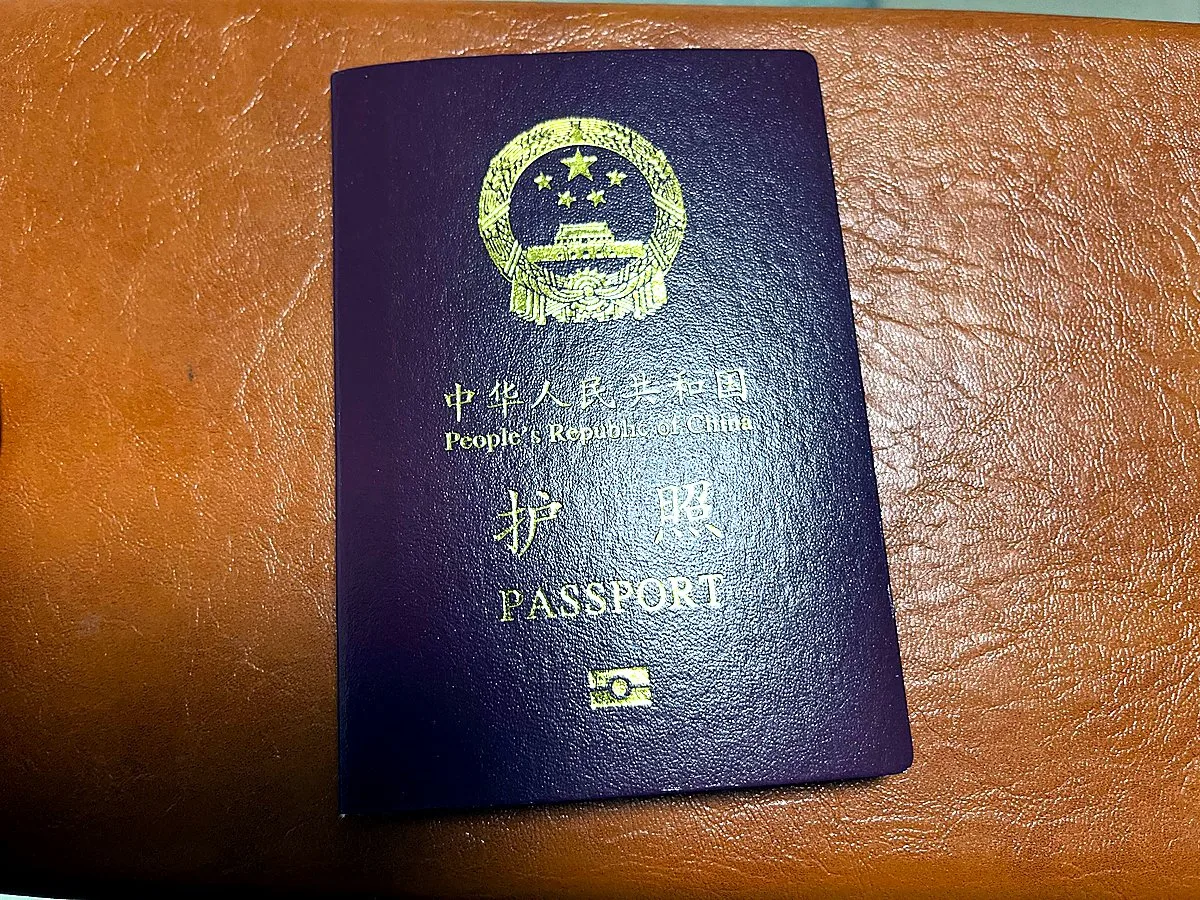
Do Canadian citizens need a visa for China?
Good news: Until 31 December 2026, Canadian citizens can enter China visa-free for stays of up to 30 days for tourism, business, visiting family or friends, exchange, or transit. If your whole trip fits inside those rules, you can skip the visa application entirely.
✓ You’re covered if…
- A full Canadian citizen passport (not an emergency travel document)
- Staying 30 days or fewer
- Purpose is tourism, business, family/friend visit, exchange, or transit
- Travel happens on or before 31 Dec 2026
✗ You still need a visa if…
- You stay longer than 30 days
- You’re working, studying, or reporting as a journalist
- Your trip is after 31 December 2026 (unless the policy is extended)
- You hold an emergency travel document
How the 30-day visa-free entry works
China added Canada to its unilateral visa-free list on 17 February 2026, at the same time as the UK. The rule is simple and generous, but a few details matter:
Canada is also on China’s 240-hour (10-day) visa-free transit list — now 57 countries — if you connect through China to a third country or region. The 30-day exemption above is usually the simpler route. Hainan offers 30-day visa-free entry to 61 countries. Individual travelers can enter without a travel agency, but stays are limited to Hainan Province (up to 30 days), so treat it as “verify before you fly.”
What kind of visa do Canadians get?
Most Canadian applicants are issued a multiple-entry L (tourist) visa. The validity commonly runs to your passport’s expiry — often up to 10 years — with stays of 60–90 days per visit. The consulate decides the final validity and stay, so these are typical rather than guaranteed.
Come and go as many times as you like during the validity.
Validity commonly runs to passport expiry, often up to 10 years.
Typical stay per entry (the consulate decides; 60–90 is common).
Good news: your visa stays valid even after your passport expires. Renew the passport and travel with both — the old one holding the visa and the new one for ID. The consulate decides the final validity and stay.
How Canadians apply
Canada uses the Chinese Visa Application Service Center (CVASC) network. You fill the form and book an appointment online, then submit your application at the centre that covers your province. Centres are in Ottawa, Toronto, Vancouver, Calgary, and Montreal. Good news for 2026 trips: through 31 December 2026, short-stay applicants (up to 180 days) are exempt from fingerprinting, and many centres let a representative submit your documents instead of you appearing in person — confirm the current rule with your centre.
Register & book onlineAt visaforchina.cn, complete the form, upload a photo, and book an appointment at the centre covering your province. Print the form and confirmation, then sign the last page.
Prepare your documentsPassport, signed form, photo, day-by-day itinerary, flight & hotel bookings, and the data-processing consent form. (Details below.)
Submit your documentsSubmit your documents at the correct centre (online appointment required). Through 31 Dec 2026, fingerprints are waived for short-stay applicants (up to 180 days), so a representative can often submit on your behalf.
Pay & collectPay the visa and service fee at the centre, then return with your pickup slip or choose return mail. Standard processing is around 4 business days; express costs extra.
Apply at the centre for your province
Canada has five CVASCs. You must apply at the one tied to where you live — applying to the wrong centre can delay or jeopardise your application. Match your province below:
| CVASC city | Covers (province / territory) |
|---|---|
| Ottawa | Ottawa region (incl. Gatineau), Nova Scotia, Newfoundland & Labrador, Prince Edward Island, Nunavut |
| Toronto | Ontario, Manitoba |
| Vancouver | British Columbia, Yukon |
| Calgary | Alberta, Saskatchewan, Northwest Territories |
| Montreal | Quebec, New Brunswick |
All ordinary-passport applications — including Hong Kong and Macao visas — go through the CVASC. Diplomatic or official passport holders apply directly to the Embassy or Consulate-General.
What you need to prepare
In Canada, tourist (L) applicants still need flight and hotel bookings — the document waiver some countries got does not apply here. Gather these:
PassportValid 6+ months, with at least 2 blank visa pages.
PhotoColour, 33 × 48 mm (1.3 × 1.9 in), white background, bareheaded, recent.
Itinerary + bookingsA day-by-day itinerary plus round-trip flight and hotel bookings covering your whole stay.
Signed form + consentThe printed, signed application form and confirmation certificate, plus the data-processing consent form. Bring any previous Chinese visa.
How much does it cost?
China’s consular fee reduction for Canadians runs through 31 December 2026 — the consular fee is a flat CAD 75 for single, double, or multiple entry. On top of that, the CVASC adds a service fee (about CAD 60), so you typically pay roughly CAD 130–140 at the centre for a regular application. Applying before year-end locks in the lower cost.
| Visa type | Consular fee (reduced) |
|---|---|
| Single entry | CAD 75 |
| Double entry | CAD 75 |
| Multiple entry | CAD 75 |
Add the CVASC service fee (about CAD 60) — express and rush processing cost extra. Fees and rules change; confirm the exact current amount on the CVASC website for your city before you apply.
Common questions
Can I visit twice on the visa-free rule?
Yes — each entry can be up to 30 days. For frequent travel, a multiple-entry L visa (often valid up to 10 years) may be simpler.
Which CVASC should I use?
The one tied to your home province — see the table above. Applying to the wrong centre can delay or jeopardise your application.
What if I want to pop into Hong Kong?
Re-entering mainland China from Hong Kong needs a visa that allows a second entry. Plan the visa type carefully if your trip includes Hong Kong.
Is the 30-day rule certain to stay?
It is currently confirmed through 31 December 2026. China has extended similar policies before, but verify close to your travel date.
How long is the L visa, and how long can I stay?
Most Canadians get a multiple-entry visa, often valid up to 10 years (or to passport expiry), with 60–90 days per visit. The consulate decides the final validity and stay.
I was born in China or have Chinese heritage — does that change anything?
China does not recognise dual nationality. If you were born in China or once held Chinese citizenship and then naturalised as a Canadian citizen, Chinese authorities may treat you as Chinese. Carry proof of any renunciation and seek legal advice if your status is unclear.
Plan the rest of the trip
Our first-time guide walks through packing, money, SIM cards, and your first 24 hours on the ground.