Is China safe for tourists? Three things that are true
How it compares to home
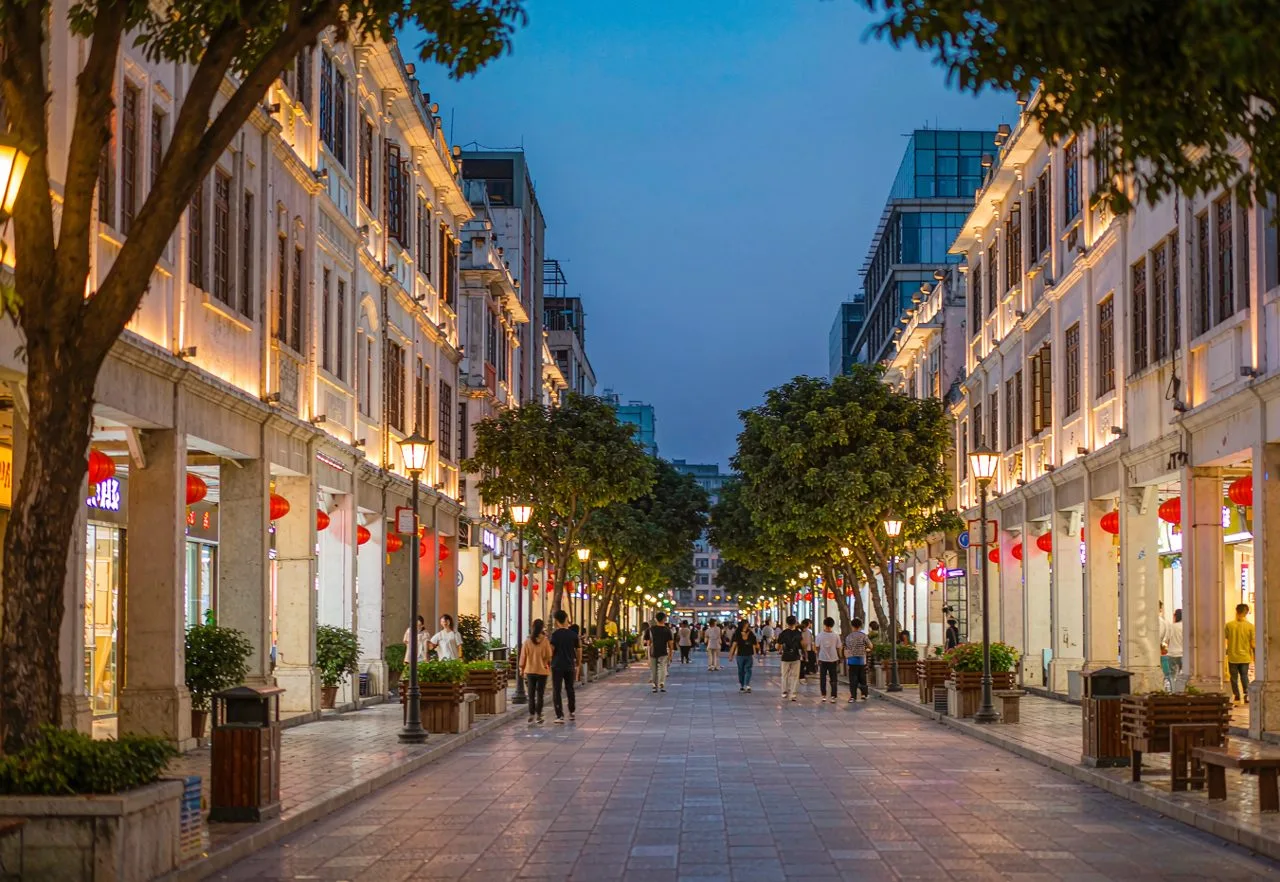
Crime statistics vary by source, so we won’t quote a single number. The practical pattern travelers report: walking around Shanghai or Beijing at night feels safer than most major Western cities. Police response to a 110 call in big cities is typically minutes. The trade-offs to plan for are different — traffic (e-scooters are silent and fast), air quality on bad days, and the language gap — not personal safety.
Solo female travelers
Harassment is extremely rare. At night, ride DiDi instead of flagging a street taxi — it’s tracked, plated, and shareable.
Crowds, not crime
Metro push is normal, not hostile. Keep your phone and wallet in a front pocket at stations and markets.
The actual hazard
Traffic. Drivers often don’t yield to pedestrians and e-scooters move quietly — cross with care, even on green.
Common worries, answered
Rarely for crime. More likely you’ll get friendly curiosity, photos, or help. Violent targeting of tourists is not a pattern in China.
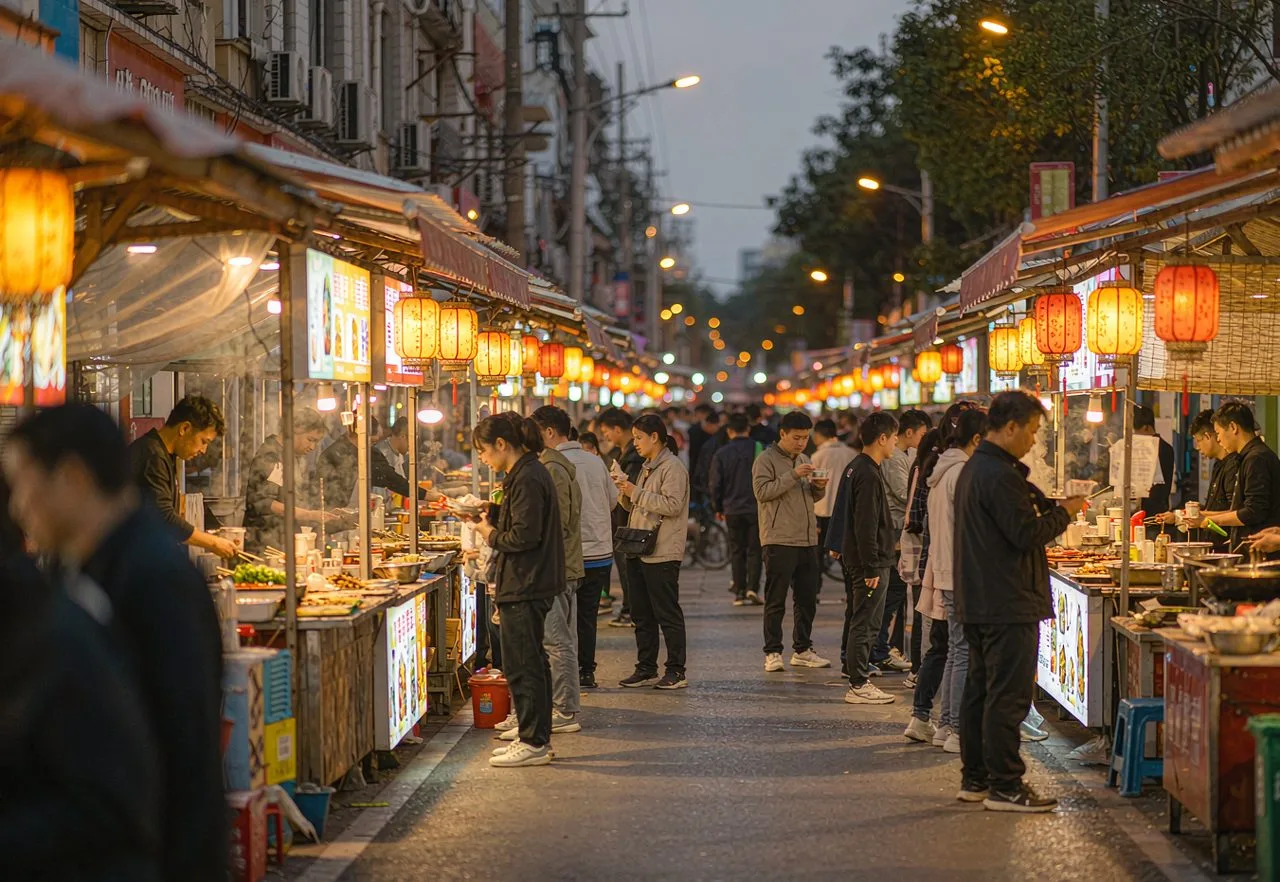
Food at busy places is fine; tap water is not for drinking (boil or bottle it). We cover food, water, and everyday health in more detail in our China safety guide.
Police 110, ambulance 120, fire 119, the government service hotline 12345 (tourism & general complaints), and the consular protection hotline 12308 (English) all work nationwide. Save them on arrival.
Don’t photograph military sites, police, or government buildings. Avoid loud political debates. Keep a passport copy handy.
Daily habits that help
The international version works with a foreign card and shows the fare up front — your safest late-night option.
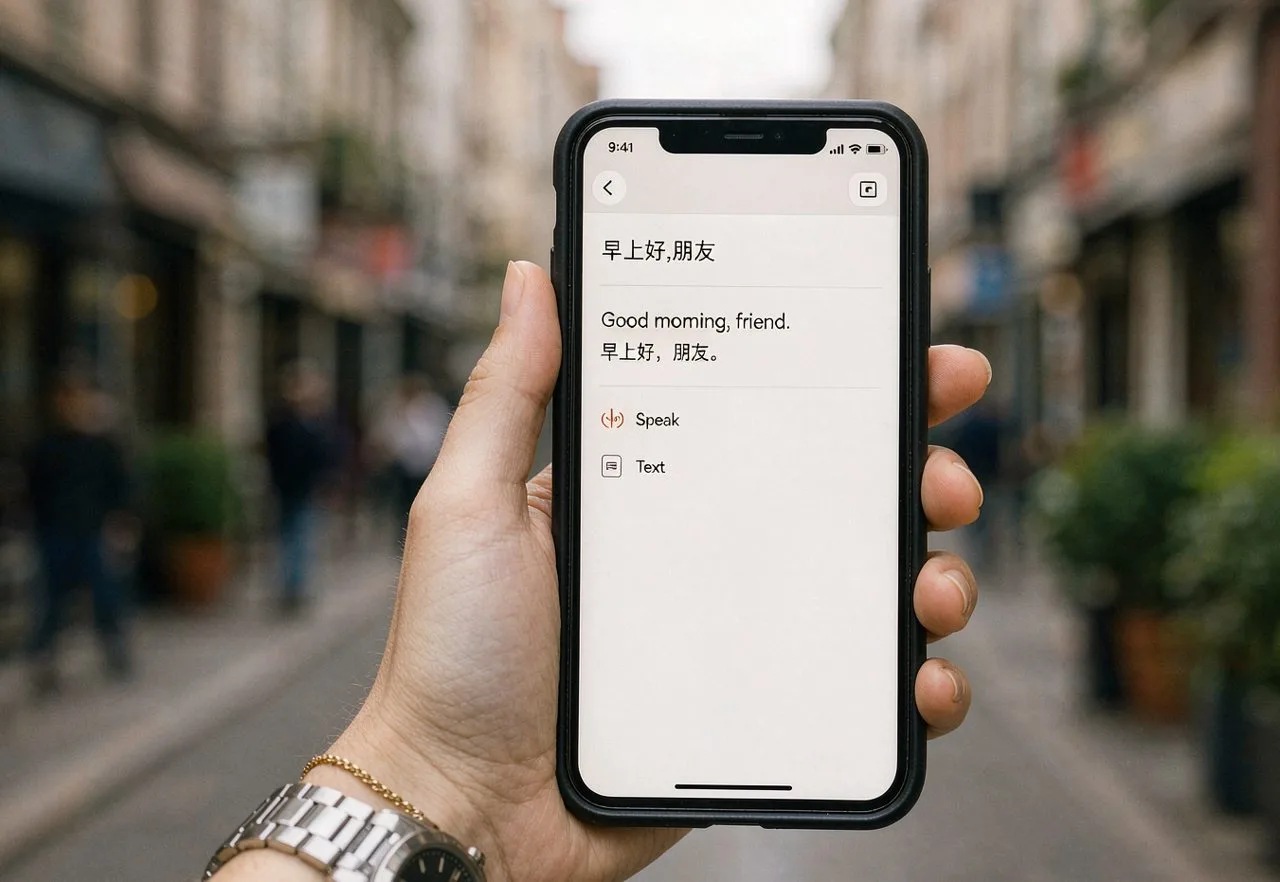
Pleco (a pure offline Chinese dictionary), Apple Translate, and Microsoft Translator all work without internet. Google Translate can too if you download its Chinese pack before you fly — but the app can be hard to open inside mainland China without a VPN, so don’t rely on it as your only tool.
You must show ID for hotels, SIMs, and some tickets. A photo on your phone is enough day-to-day.
Strangers offering tea, art shows, or tours near sights are the classic setup. A polite no and keep walking.
Quick questions
For everyday street safety, most visitors find Chinese cities safer than comparable Western metros — lower violent crime and heavy public security.
In well-lit central areas, yes — many travelers do. Stick to main streets, and use DiDi for the last mile back to the hotel.
Yes. Harassment is rare; the bigger adjustment is the language gap. At night, ride DiDi rather than flagging a street taxi.
A few non-violent ones: “free” tea or art-show invitations near sights, and overpriced “students” offering tours. A polite no and walking on ends almost all of them.
Food at busy restaurants is fine, and street food is popular and generally safe. Tap water isn’t for drinking — boil it or use bottled water.
Call 110 (police), 120 (ambulance), or 119 (fire). For tourism or general complaints dial 12345; for consumer disputes 12315. The MFA consular hotline 12308 (English) helps if you lose your passport.
Know the few scams that exist
Safety here is mostly common sense. Our next page lists the exact scams to watch for — and how to shut each one down.