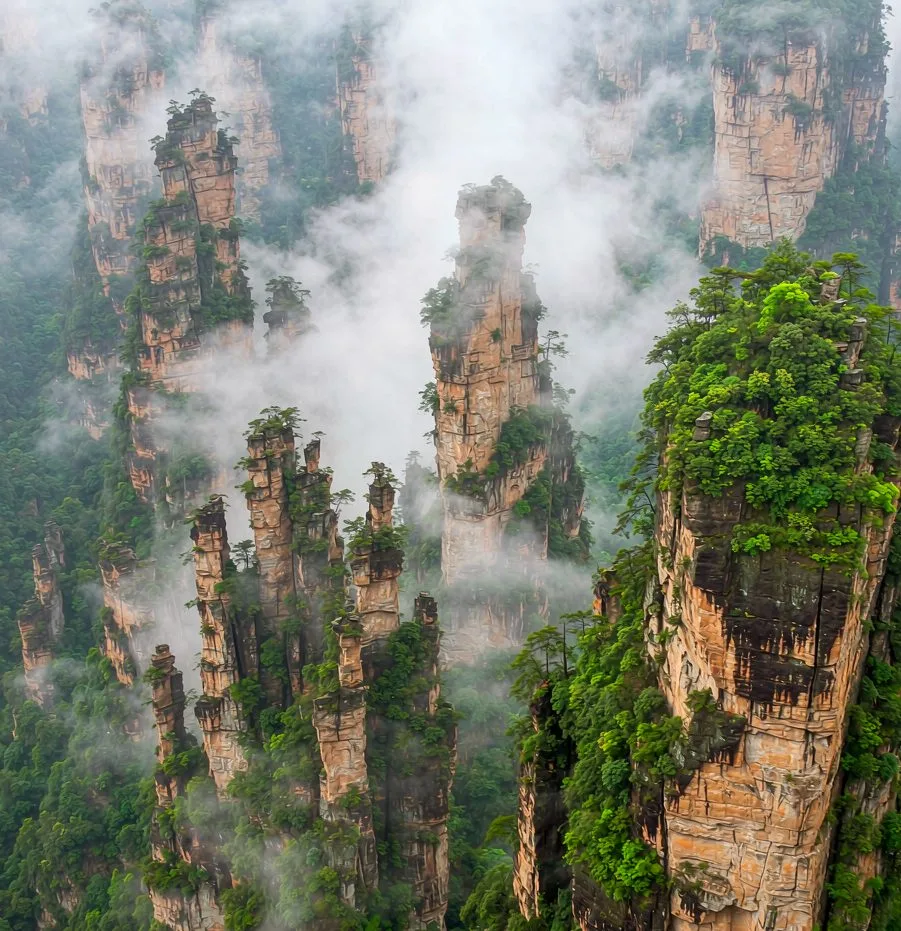
What makes Zhangjiajie worth the trip
Most first-timers spend three to four days here. These six sights are the reason the region is on every China bucket list.
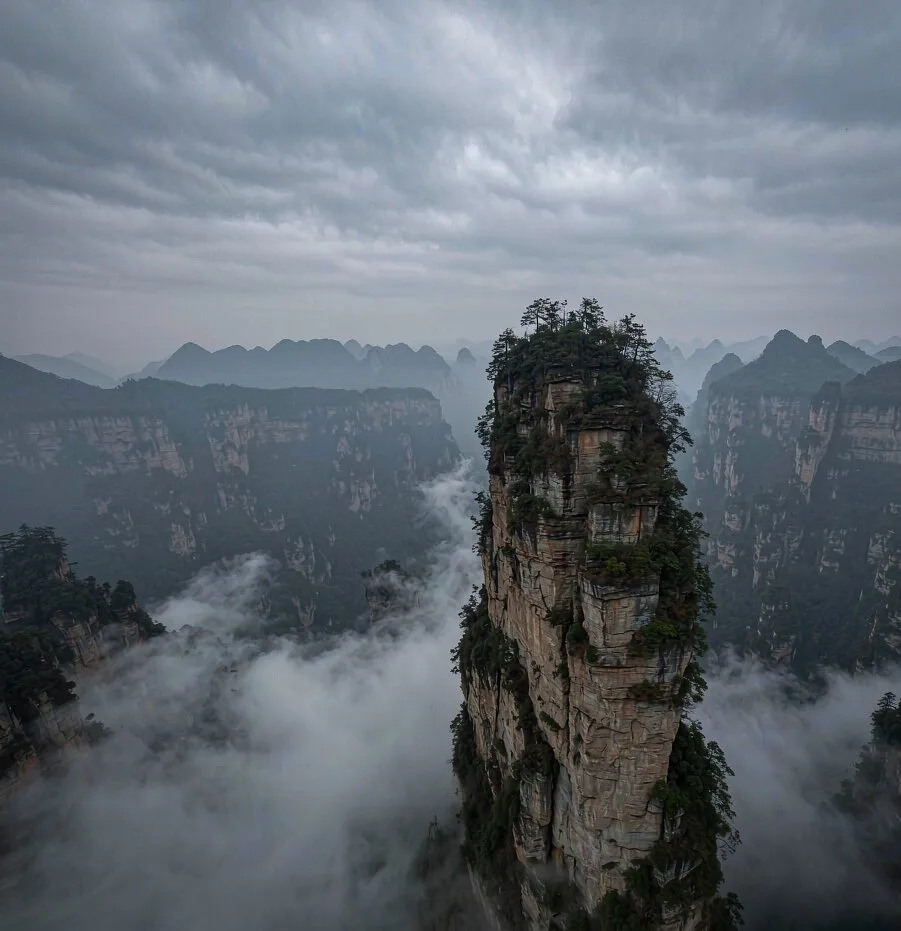
The Avatar Mountains
The pillar officially renamed Avatar Hallelujah Mountain (formerly Qiankun Pillar) in Yuanjiajie is the real-life inspiration for the floating Hallelujah Mountains in Avatar. Standing among thousands of quartz-sandstone peaks in low cloud is the signature Zhangjiajie moment.
3,000 Sandstone Peaks
The Wulingyuan area holds more than 3,000 quartz-sandstone columns, some over 200 meters tall. It is a UNESCO World Heritage Site (inscribed in 1992) and the core of Zhangjiajie National Forest Park.
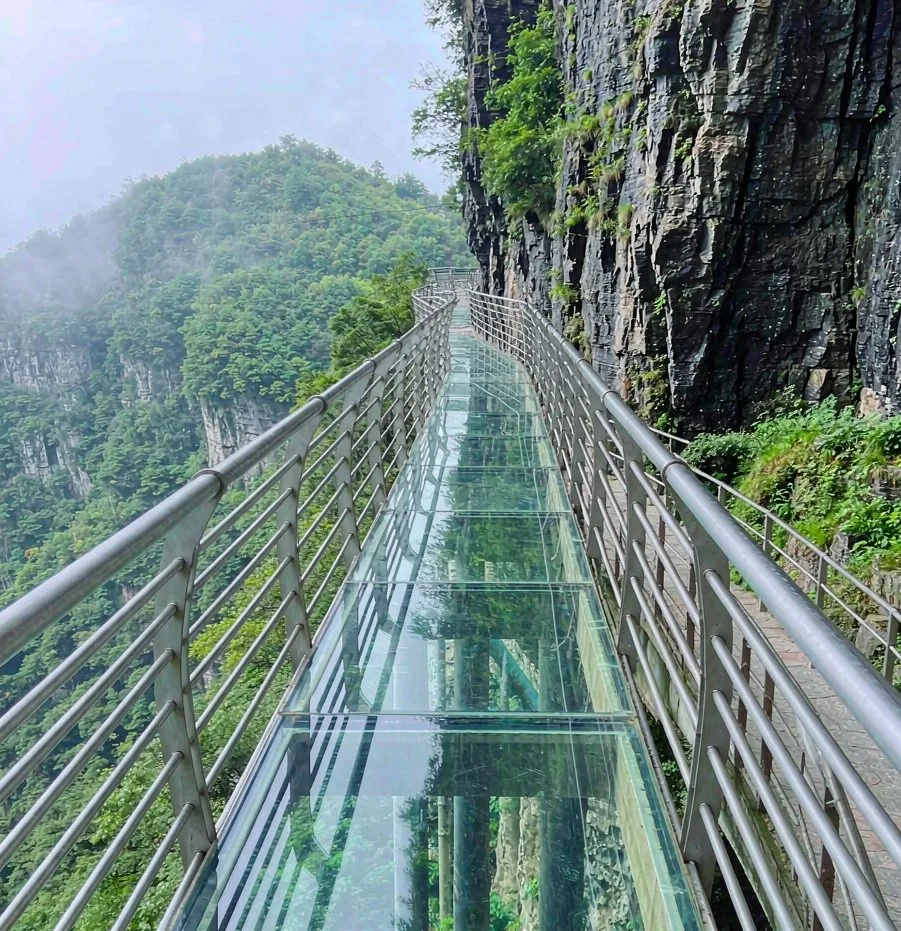
Tianmen Glass Walkway
A transparent walkway clings to the cliff face on Tianmen Mountain, with the valley dropping away beneath your feet. Shoe covers (about RMB 5) are required; the brave can look straight down through the glass.
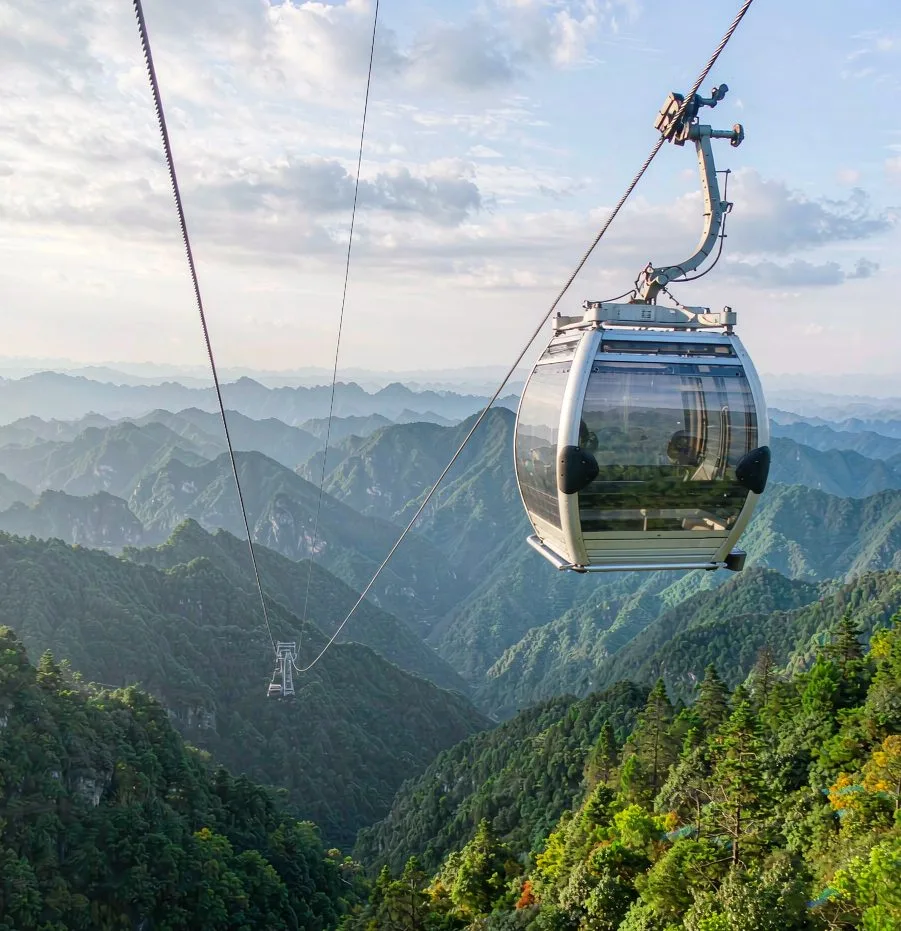
World’s Longest Cableway
The Tianmen Mountain cableway is the longest passenger cable car in the world at 7,455 meters, taking about 28 minutes from the city to the summit. It is the main, scenic way up the mountain.
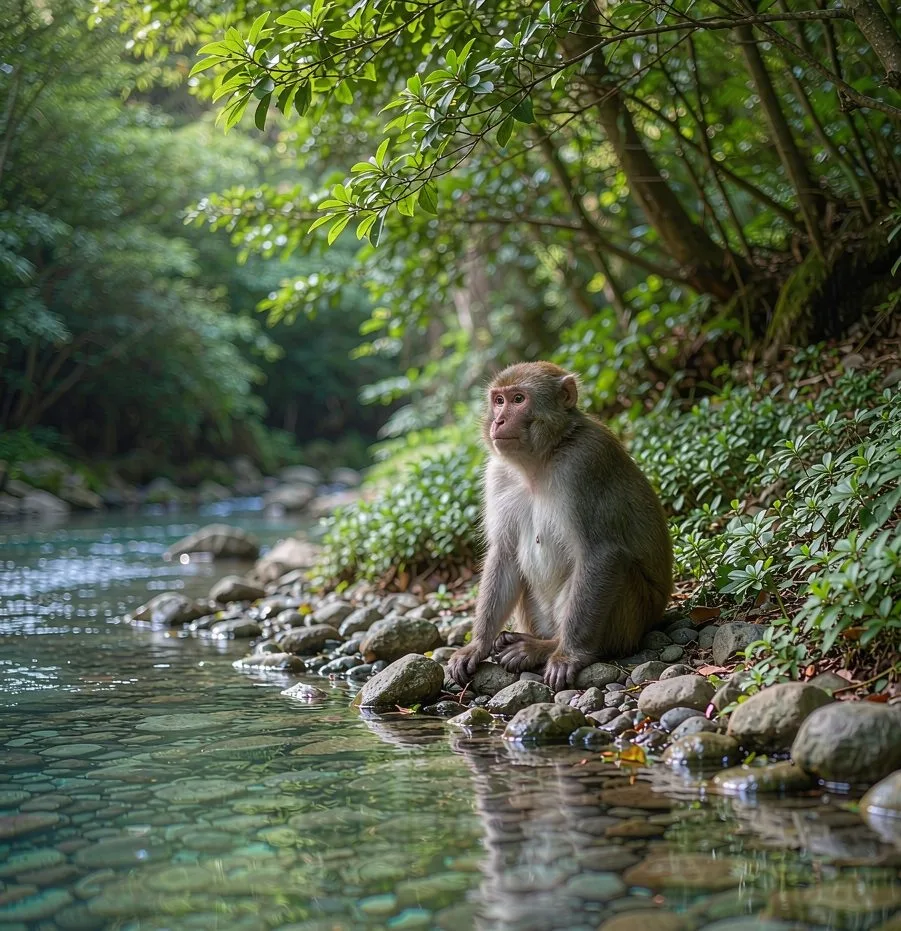
Monkeys of Jinbianxi
Jinbianxi is a flat 7.5 km streamside trail through the forest at the foot of the peaks. Wild macaques live along the water, and the walk is one of the easiest, prettiest routes in the park.
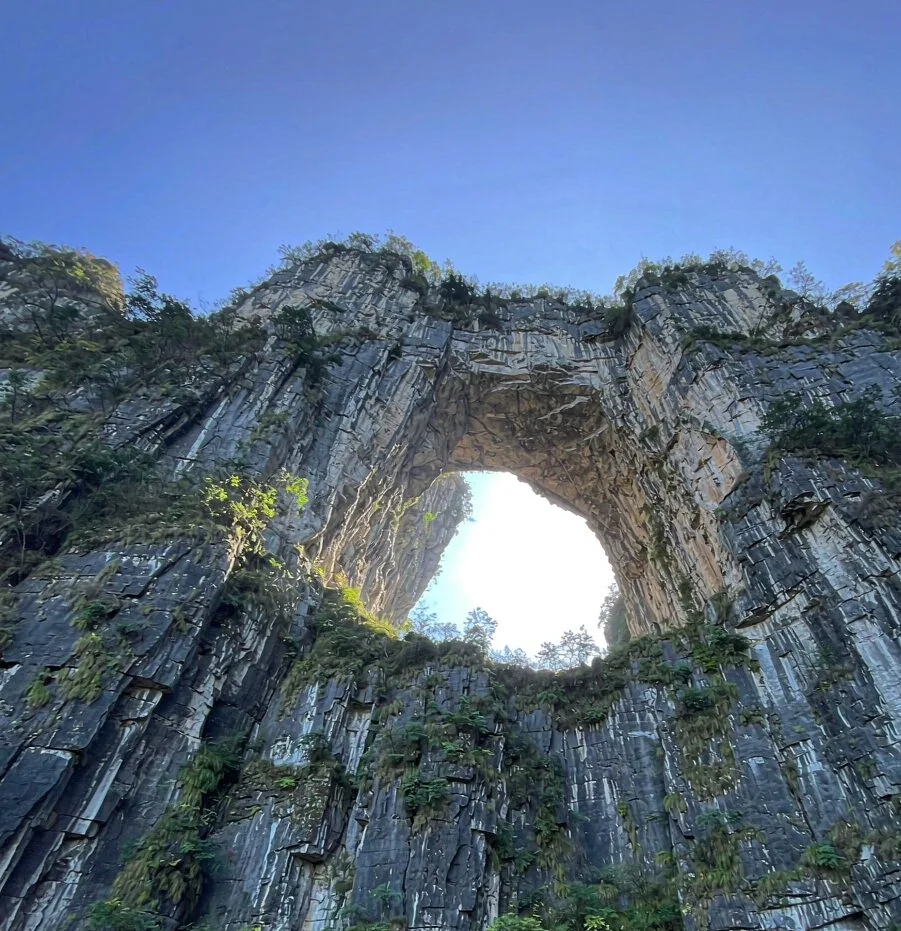
Tianmen Cave
A giant natural arch punched through a cliff face, Tianmen Cave is reached by a 999-step stairway. On clear days sunlight streams through the opening, and it is one of the most photographed spots in the city.
A practical 3-day Zhangjiajie plan
Three full days covers the two headline areas: Tianmen Mountain on one day, and the Wulingyuan / Forest Park on the other two. Add a fourth day for the Grand Canyon glass bridge or Yellow Dragon Cave.
Tianmen Mountain (in the city)
Ride the cableway up, walk the glass skywalk, then take the mountain escalator down to Tianmen Cave and climb the 999 steps up to the arch before the shuttle bus winds you down the 99-bend road. Tianmen Mountain sits right in Zhangjiajie city, so it pairs well with arrival day. Book a time slot in advance.
Yuanjiajie & Tianzi Mountain
Enter Wulingyuan, take the Bailong elevator up to Yuanjiajie (the Avatar pillars), then cross to Tianzi Mountain for the open viewpoints over the peak forest. Stay in Wulingyuan town to be close to the gates.
Jinbianxi & Ten-Mile Gallery
A relaxed lowland day: walk the flat Jinbianxi stream trail (watch the monkeys), then ride the little train through the Ten-Mile Gallery to see rock formations like the “Old Man Gathering Medicine”. Easy on the legs after two big climb days.
Optional Day 4: Zhangjiajie Grand Canyon and its glass bridge (the highest and longest in the world), or the boat tour inside Yellow Dragon Cave. Good if you have a fourth day or want a slower pace.
The main attractions, plainly explained
Zhangjiajie National Forest Park (Wulingyuan)
Ticket: about RMB 239 for a 4-day pass, including the park shuttle bus.
The core scenic area, made of several zones: Yuanjiajie (Avatar pillars), Tianzi Mountain (wide viewpoints), Huangshi Village, Jinbianxi (stream trail) and the Ten-Mile Gallery. Inside, you still pay separately for lifts and cable cars: the Bailong elevator is about RMB 65–72 one way, and the Tianzi Mountain cableway about RMB 72. The 4-day ticket means you can spread the park over two days without buying again.
Tianmen Mountain
Ticket: about RMB 288 for the A/B/C line pass, including the cableway, mountain escalators and shuttle bus.
Right in the city, Tianmen Mountain is reached by the 7,455 m cableway. At the summit are the cliff glass walkway and the mountain viewpoints. The mountain escalators descend to the Tianmen Cave area, a 999-step stairway climbs up to the cave, and the shuttle bus winds down the 99-bend road. Lines A, B and C visit the same sights in a different order; A (cableway up, road down) is the easiest and most popular.
Zhangjiajie Grand Canyon & Glass Bridge
Ticket: about RMB 180 for the canyon + glass bridge combo.
The glass bridge here is the highest and longest in the world, spanning the canyon on a transparent floor. The combo ticket also covers the canyon walk. It is about an hour from the city and works well as a fourth-day outing.
Yellow Dragon Cave (Huanglong Cave)
Ticket: about RMB 118, with an optional boat ride inside.
A large limestone cave with underground rivers and boat tours, a cooler, easier half-day if the weather is poor or you want a break from the peaks. The boat route takes roughly 1.5 hours.
What to eat in Zhangjiajie
The local food is hearty Tujia and western-Hunan (Xiang) cooking: smoked, cured and sour rather than chili-forward like central Hunan.
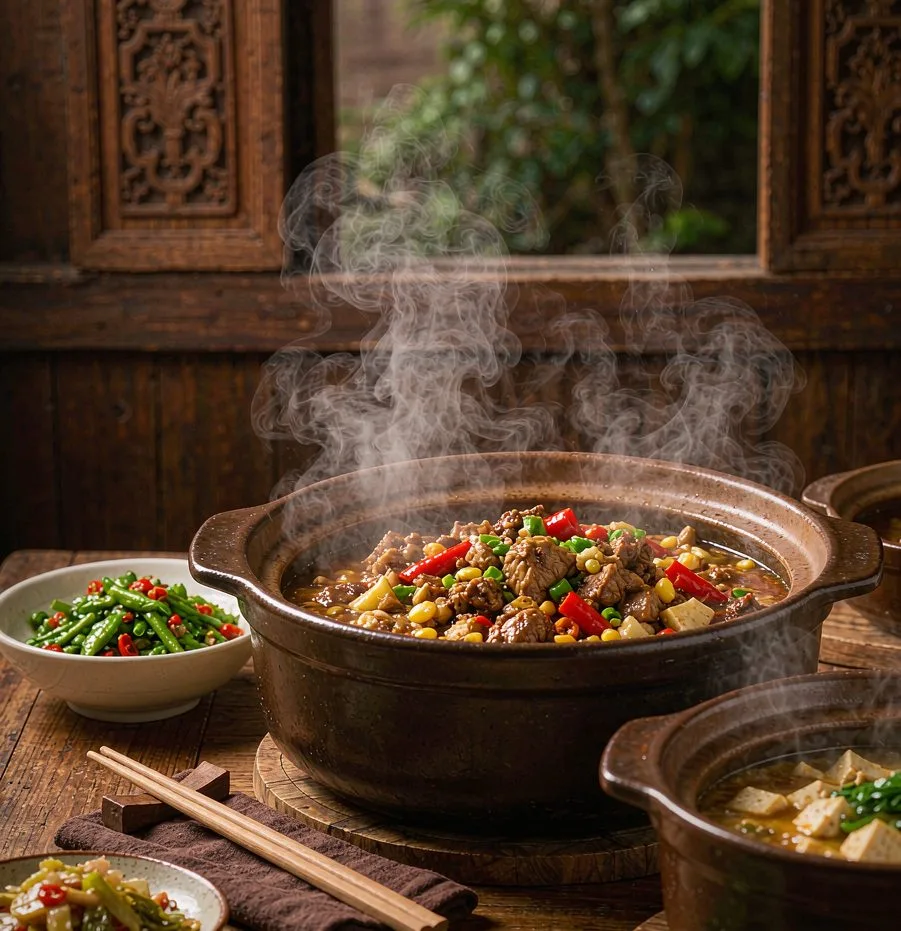
- Sanxia Guo (Three-Pot Stew): the signature dish, a clay pot of pork, vegetables and tofu simmered together. Order it in Wulingyuan after a long park day.
- Cured pork and sausages: smoked over wood fire, a staple across the Tujia villages.
- Wild greens and mountain mushrooms: seasonal, foraged side dishes you will not find back home.
- Mei tea (vine tea): a local herbal tea, often served free in restaurants.
Best time to visit Zhangjiajie
April – June
Warm, green and often misty. After rain the peaks sit above a sea of cloud, the classic Zhangjiajie postcard.
September – November
Clear, dry and comfortable. The most reliable window for good visibility and photos.
Avoid the holidays
Skip China’s National Day week (early October) and the May holiday. The parks are packed and queues are long.
In winter the peaks can wear a frost coating, but the glass walkway may close in ice. Mountain air is 5–8°C cooler than the city, so bring a light jacket even in summer, and wear proper grippy shoes.
How to get to Zhangjiajie
Most international visitors connect through a bigger Chinese city first, then take a short domestic flight or a high-speed train into Zhangjiajie.
By air: Hehua Airport (DYG)
About 10 km from the city center and roughly 40 km from the Forest Park. International flights are limited (Seoul/Busan seasonally, Bangkok, Hong Kong, and a newer Singapore route), so most fly in from Beijing (~2.5–3 h), Shanghai (~2.5–3 h), Guangzhou (~1.5–2 h) or Chengdu/Chongqing.
By train: Zhangjiajie West
The high-speed station opened in 2019, about 10 km from downtown and 20–32 km from Wulingyuan. Changsha is the main gateway: 40+ trains a day, roughly 2–3 hours, second-class about RMB 140–210 from central Changsha station (trains from Changsha South cost a bit more). From Changsha airport, take the maglev or metro to the train station, then the bullet train.
Once in Zhangjiajie, the park shuttle buses and cable cars cover most movement inside the scenic areas; ride-hailing apps and buses link the city, Wulingyuan and the stations. See the China transport guide for trains, apps and tickets.
Where to stay
Zhangjiajie splits into two bases, and which you pick depends on your plan.
- Wulingyuan town: best for the Forest Park. You are minutes from the gates, with more hotels and restaurants, and you avoid a daily 40-minute transfer from the city. Most visitors base here for two nights.
- Zhangjiajie city (Yongding): best for Tianmen Mountain, which is right in town, and for catching trains and flights. Stay here the night before you leave, or if Tianmen Mountain is your only stop.
Zhangjiajie travel budget
The big fixed cost is tickets. Forest Park (about RMB 239) plus Tianmen Mountain (about RMB 288) is roughly RMB 530 per person; add the Grand Canyon glass bridge (about RMB 180) on a fourth day and you are around RMB 700 in entry fees. Examples below exclude international flights.
Budget traveler
Hostel or simple hotel, local restaurants, public shuttle buses and the basic park tickets. Plan roughly RMB 600–900 per day including a modest hotel, food and local transport.
Comfortable traveler
Mid-range hotel in Wulingyuan, sit-down restaurants, ride-hailing and the cable cars/lifts inside the park. Plan roughly RMB 1,000–1,600 per day with a comfortable hotel.
Practical tips for first-timers
- Book time slots ahead. Tickets use real-name, timed entry. In peak season reserve the Forest Park and Tianmen Mountain 3+ days early through official channels.
- Mind the monkeys. At Jinbianxi they snatch bags, food and plastic bottles. Keep snacks in your bag and do not feed them.
- Dress for two climates. The peaks run 5–8°C cooler than the city; pack a light jacket and grippy walking shoes.
- Get connected. Set up an eSIM or VPN before arrival so maps and ride-hailing work on day one.
- Pay the easy way. Link Alipay to a card for tickets, taxis and food without cash.
- Skip the guide if you prefer. The shuttle buses and clear signage make self-guided touring realistic; a private driver helps mainly with language and transfers.
FAQ
How many days do I need in Zhangjiajie?
Three days covers the essentials: one for Tianmen Mountain and two for the Wulingyuan / Forest Park. A fourth day lets you add the Grand Canyon glass bridge or Yellow Dragon Cave at a relaxed pace.
Do I need a guide?
Not necessarily. The park shuttle buses and signage make self-guided touring realistic, and timed tickets can be booked online. A private driver helps most with language and hotel-to-gate transfers. See the custom itinerary service if you want it planned for you.
When is the best time to visit?
April to June and September to November give the best weather and the famous cloud-sea views. Avoid the National Day week in early October and the May holiday, when the parks are crowded.
How do I get to Zhangjiajie from abroad?
Fly into a major hub (Beijing, Shanghai, Guangzhou, Chengdu or Chongqing) or Hong Kong, then take a domestic flight to Hehua Airport (DYG) or a high-speed train to Zhangjiajie West. Changsha is the most common train gateway.
Is the glass walkway safe?
Yes. The glass panels are thick and regularly maintained, and shoe covers are required. It is safe but genuinely high, so it is not for anyone with a strong fear of heights.
Explore more China guides
Practical first-trip China guides — visas, VPN, eSIM, Alipay, trains, and city routes.