
Is China good for backpacking?
Short answer: yes, and it keeps getting easier. The rail network reaches almost everywhere, street food is world-class and cheap, and violent crime against travellers is rare. The only real homework is the Great Firewall (sort your internet before you land) and the occasional passport-registration step at hotels.
It’s affordable
A hostel bed, street-food lunches and metro rides keep a day’s spending around RMB 200–350. Your money goes further than in Western Europe or the US.
The rail is unreal
High-speed trains link the headline cities in a few hours, run on time, and drop you city-centre to city-centre. No airport slog required.
Safe and solo-friendly
Low crime, helpful strangers, and hostels full of other travellers make it an easy first solo trip. English signs are common in tourist zones.
Backpacking China on a realistic budget
Most backpackers spend about RMB 200–350 per day (roughly US$30–50) all-in: a hostel bed, street-food meals, metro rides and a few cheap sights. Here’s where it goes, with 2026 prices.
Sleep
Hostel dorm beds run about RMB 60–150 a night; a private budget-hotel room (Hanting, Home Inn, Atour) is roughly RMB 180–350. Prices roughly double in peak holiday weeks.
Food
Street snacks are RMB 5–20 a bite; a noodle or dumpling shop meal is RMB 15–40. Eat where locals eat and you’ll rarely top RMB 100 a day, even with the odd hot pot.
Getting around
Metro is RMB 2–10 a ride. High-speed rail: Beijing → Shanghai is about RMB 553–673 in 2nd class (4.5h); Beijing → Xi’an about RMB 515–620 (4.5–5.5h).
Sights
Many temples and parks are RMB 10–40. Headline sites cost more — the Forbidden City is about RMB 60–80, the Terracotta Warriors about RMB 120. Students and off-season often pay less.
A tighter daily budget — about RMB 180–290/day. If you dorm, eat street food and ride the metro, a comfortable backpacker day lands at the low end. Here’s the itemized version, with 2026 prices:
Per-day breakdown
- Hostel dorm: RMB 45–120/night
- Food: RMB 60–100 (street meals RMB 15–30)
- Local transport: RMB 10–30 (metro RMB 3–8/ride)
- Sights: RMB 0–80 (many free; temples RMB 10–30)
- Misc (SIM/laundry/water): RMB 15–40
Where money stretches
- Cheapest: Chengdu, Xi’an, Chongqing, Guilin/Yangshuo, Kunming, Lijiang — hostels RMB 40–70
- Priciest: Beijing, Shanghai, Shenzhen, Guangzhou — hostels RMB 80–150+
- A 14-day trip runs about RMB 2,100–4,200 + intercity trains (another RMB 500–1,500)
Money-saving tip: prices jump 2–3x during Golden Week (Oct 1–7) and Chinese New Year. Shoulder months — April, May, late October, November — are the cheapest and quietest.
The classic backpacking route
If it’s your first time, the line Beijing → Xi’an → Chengdu → Guilin/Yangshuo → Shanghai strings together the headline sights on fast trains. From Chengdu you can peel off southwest into Yunnan instead.
- Beijing — the Great Wall, Forbidden City, hutongs
- Xi’an — Terracotta Warriors, the city wall
- Chengdu — giant pandas, spicy food
- Guilin & Yangshuo — karst rivers, biking
- Shanghai — skyline, modern finale
Trains link each leg in 4–8 hours; the whole loop fits 2–4 weeks.
- Kunming — spring city, gateway
- Dali — lake, old town, biking
- Lijiang & Shangri-La — mountains, monasteries
- Tiger Leaping Gorge — a classic trek
Fewer crowds, more hiking; best in spring and autumn.
The classic first-timer line, north to south with zero backtracking — Beijing → Pingyao → Xi’an → Chengdu → Yangshuo.
- Beijing — 3–4 days; Great Wall, Forbidden City
- Pingyao — 1–2 days; walled Ming-era old town (the hidden gem between Beijing & Xi’an)
- Xi’an — 2–3 days; Terracotta Army, city wall
- Chengdu — 3 days; pandas, hotpot
- Yangshuo — 3–4 days; Li River karst, fly home from Guilin
Daily spend on this trail runs about RMB 120–250; three weeks all-in ≈ RMB 5,000–8,000. From Chengdu, fly to Guilin (~1h 45m).
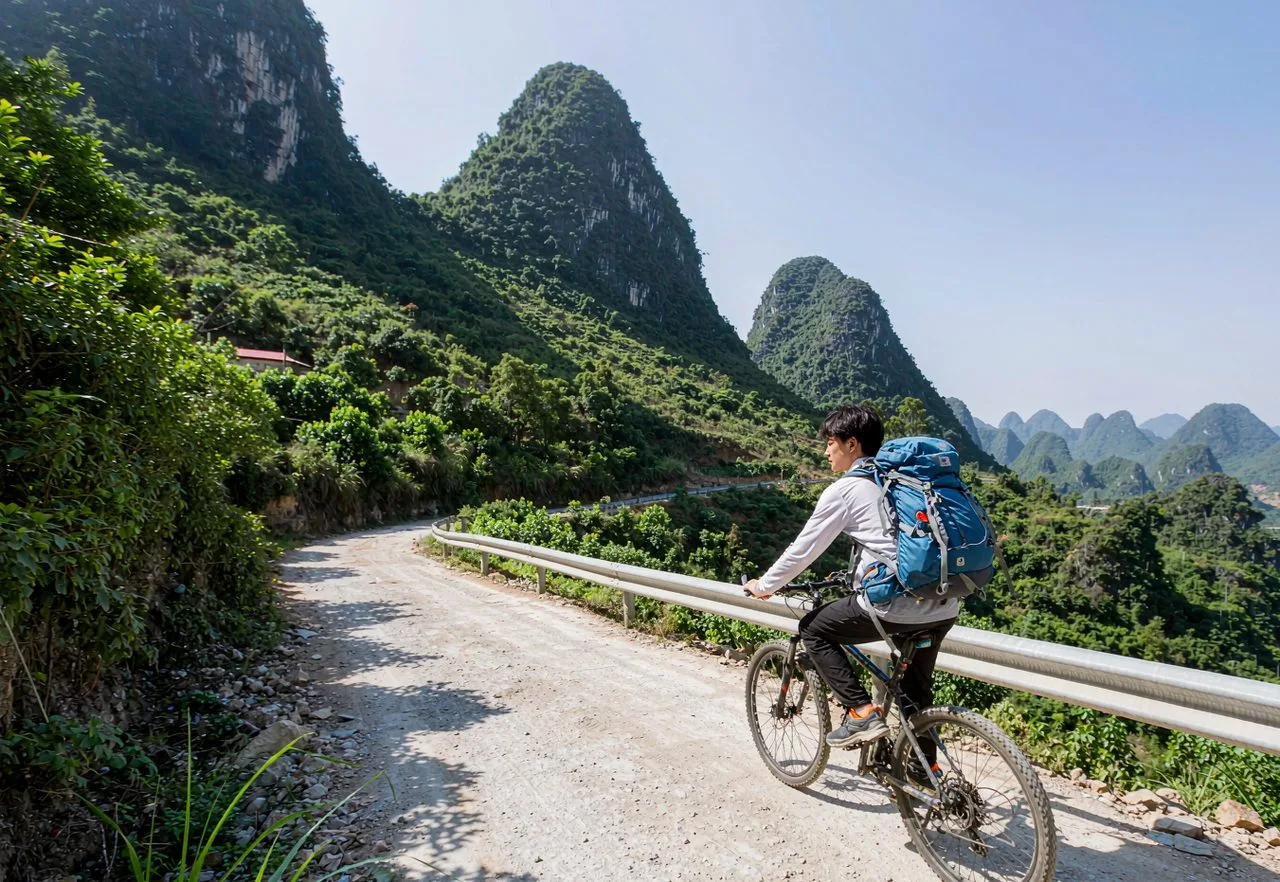
Where to stay

Hostels
Reliable, social and cheap in every major city, about RMB 60–150 for a dorm. The easiest way to meet other travellers and swap route tips.
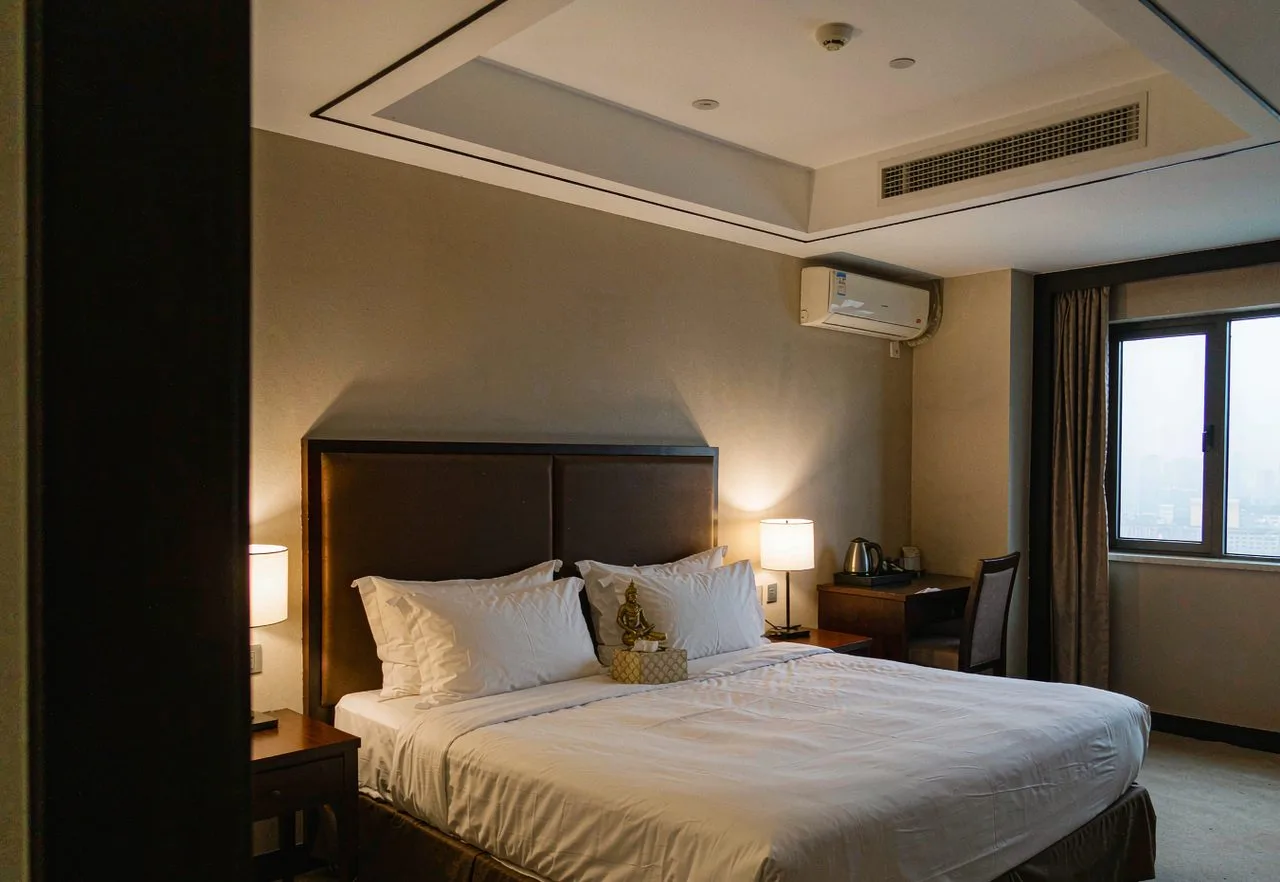
Budget hotels
Want privacy? Chains like Hanting, Home Inn and Atour run RMB 180–350 for a private room with a real bed and free laundry. Book on Trip.com and always tick “Foreigners Allowed” — not every property is licensed to host foreign guests, and Airbnb-style flats can be awkward for passport registration.
Getting around by high-speed rail
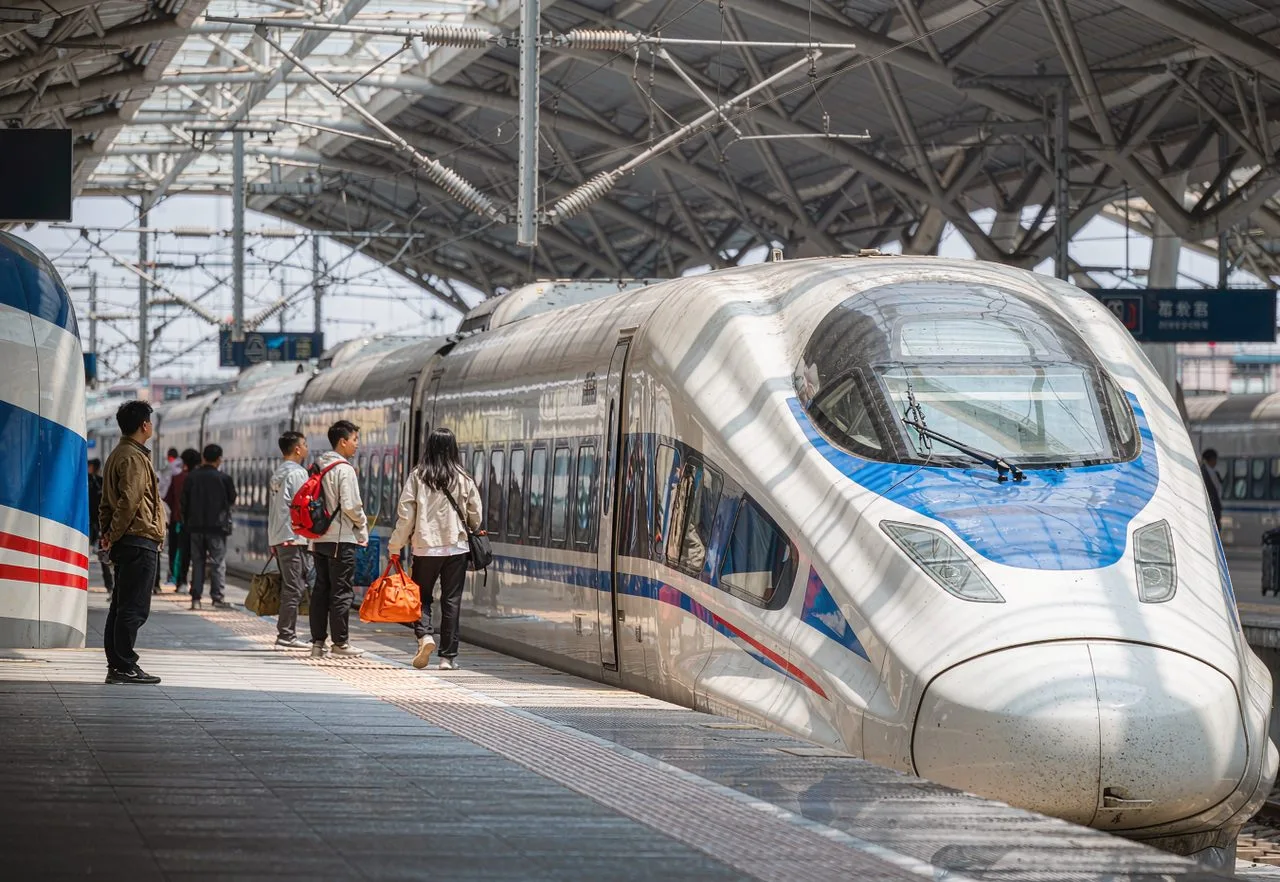
Book it
Use Trip.com for an English interface and foreign-card payment (a small ~RMB 20–40 fee per ticket), or the official 12306 app (now has English, no fee, but foreign-card payment can be flaky). Either way, no paper ticket.
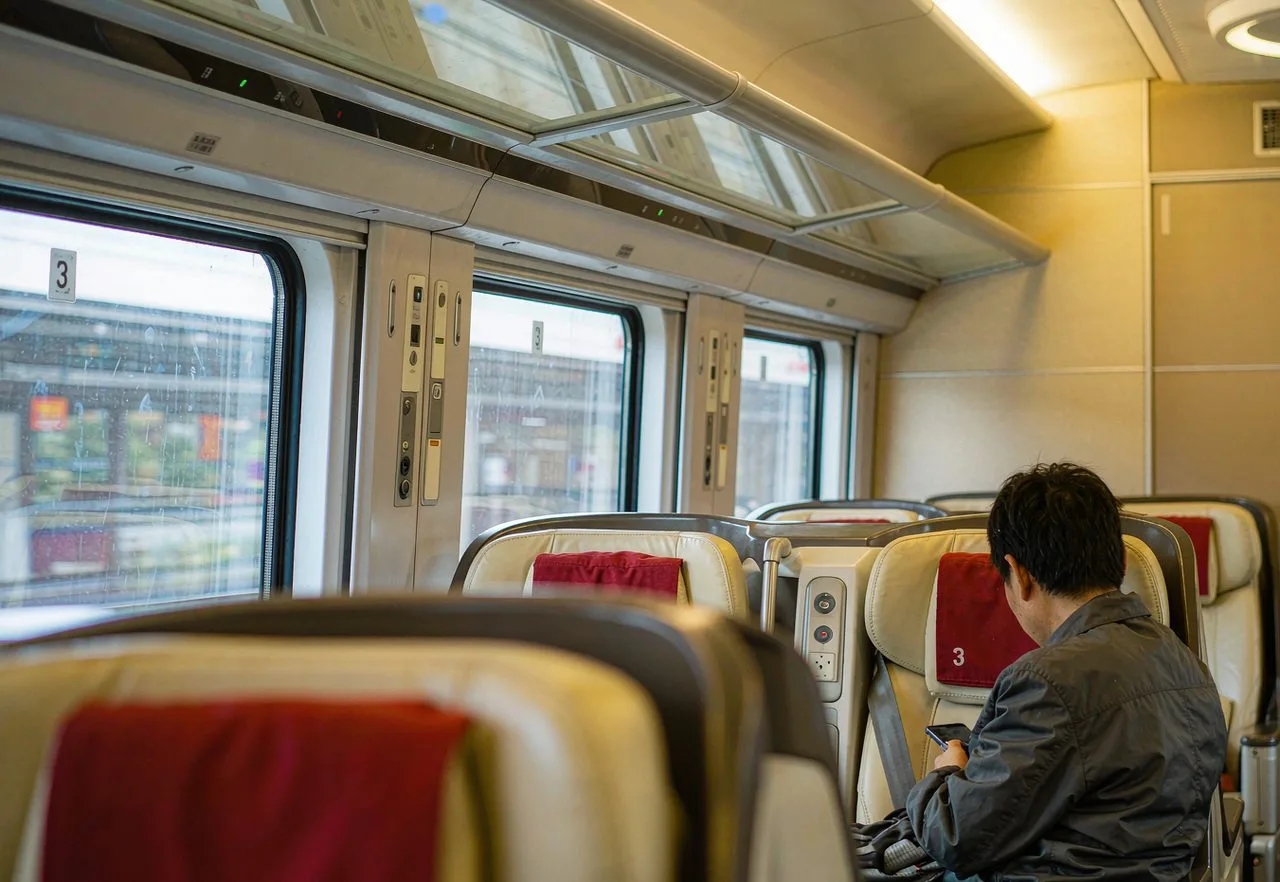
Ride it
Your passport is your ticket — paperless, you scan it at the gate. Tickets open about 15 days ahead; popular routes like Beijing → Xi’an sell out in holidays, so book the moment they drop. G trains are fastest (350 km/h); D trains a bit slower.
Money, SIM & staying connected
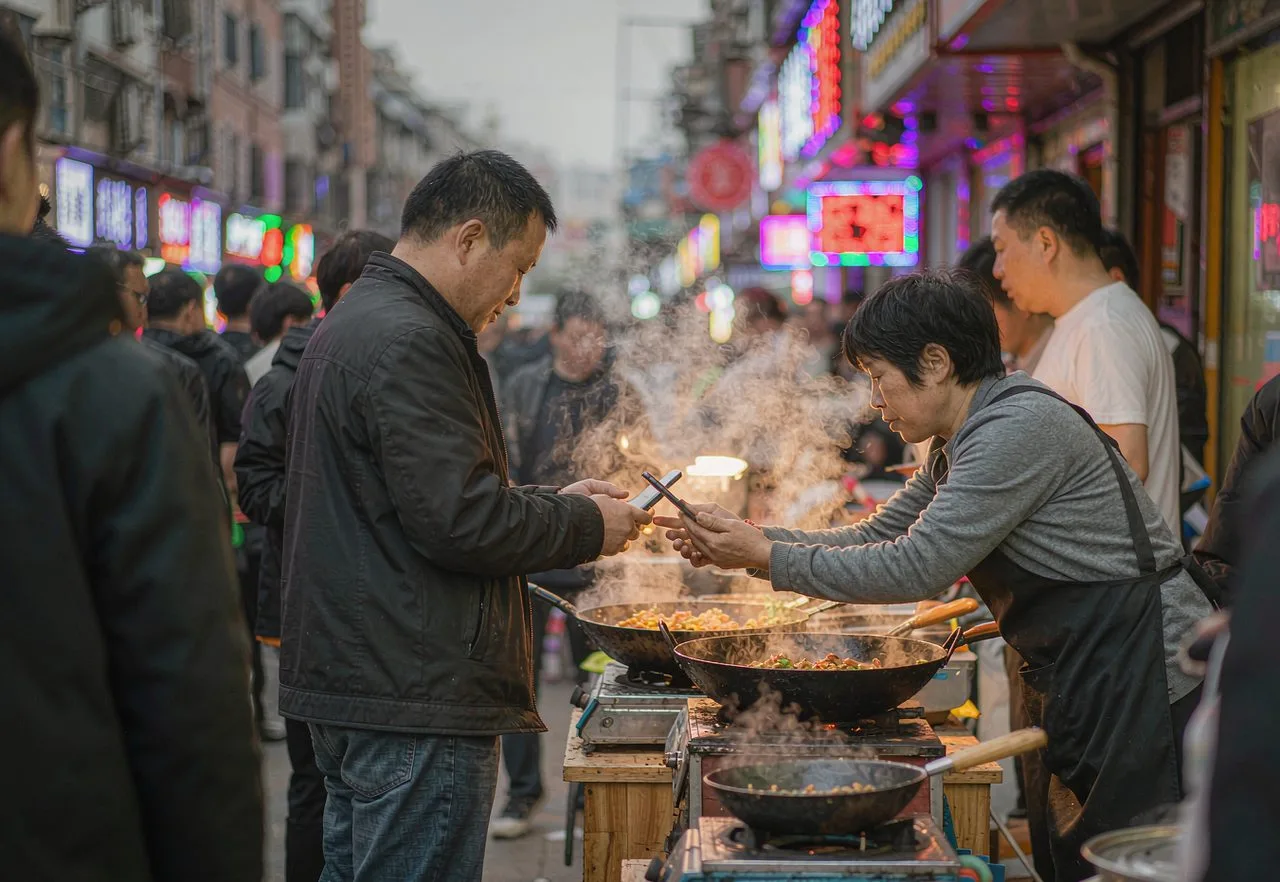
Pay with your phone
Set up Alipay and WeChat Pay before you fly and link a foreign card. They cover most shops, metros and even trains; carry some RMB cash as backup.
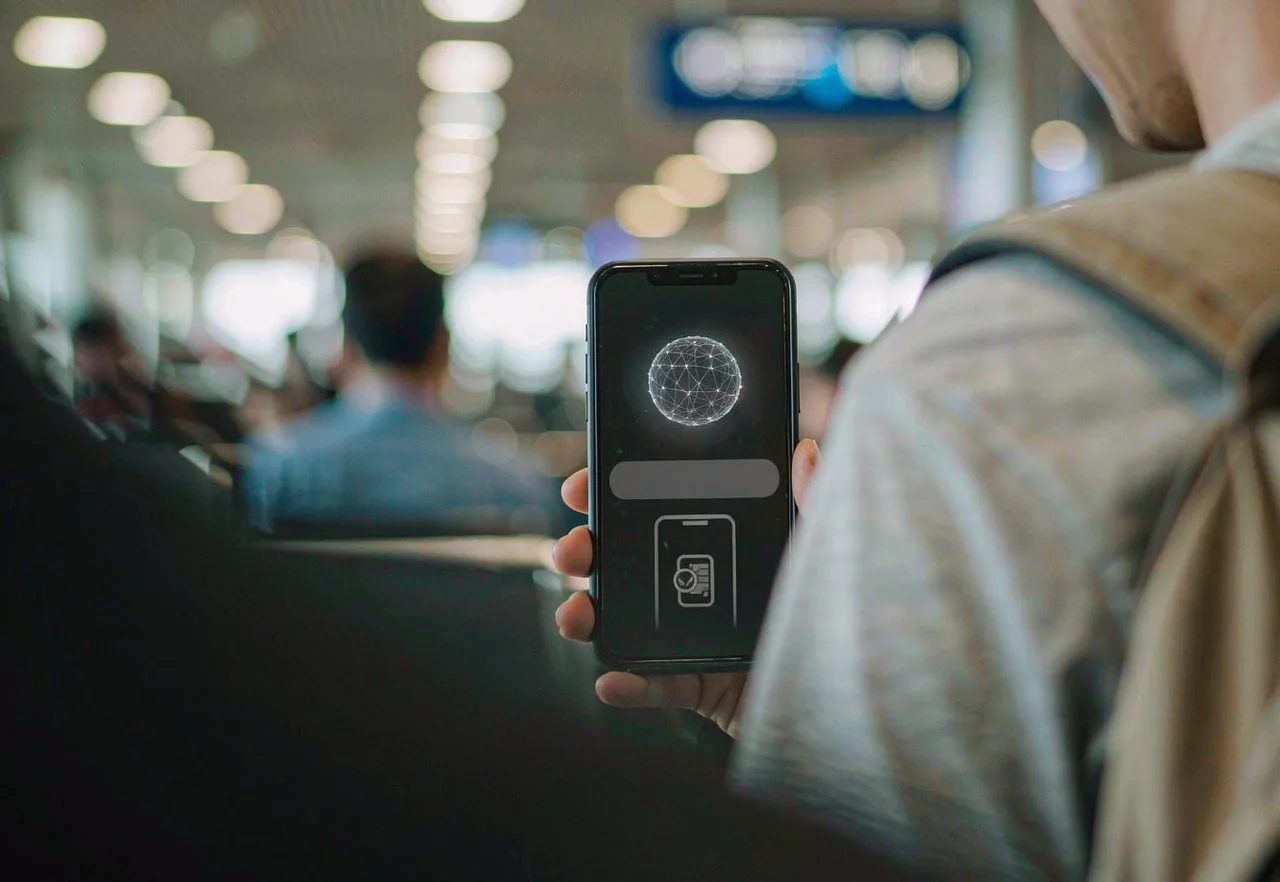
Internet & SIM
Airport Wi-Fi is limited, so buy an eSIM before you leave (about RMB 70–180 for 7–30 days). Critically, install a VPN before landing — the Great Firewall blocks Google, WhatsApp, Instagram and Gmail once you’re in China.
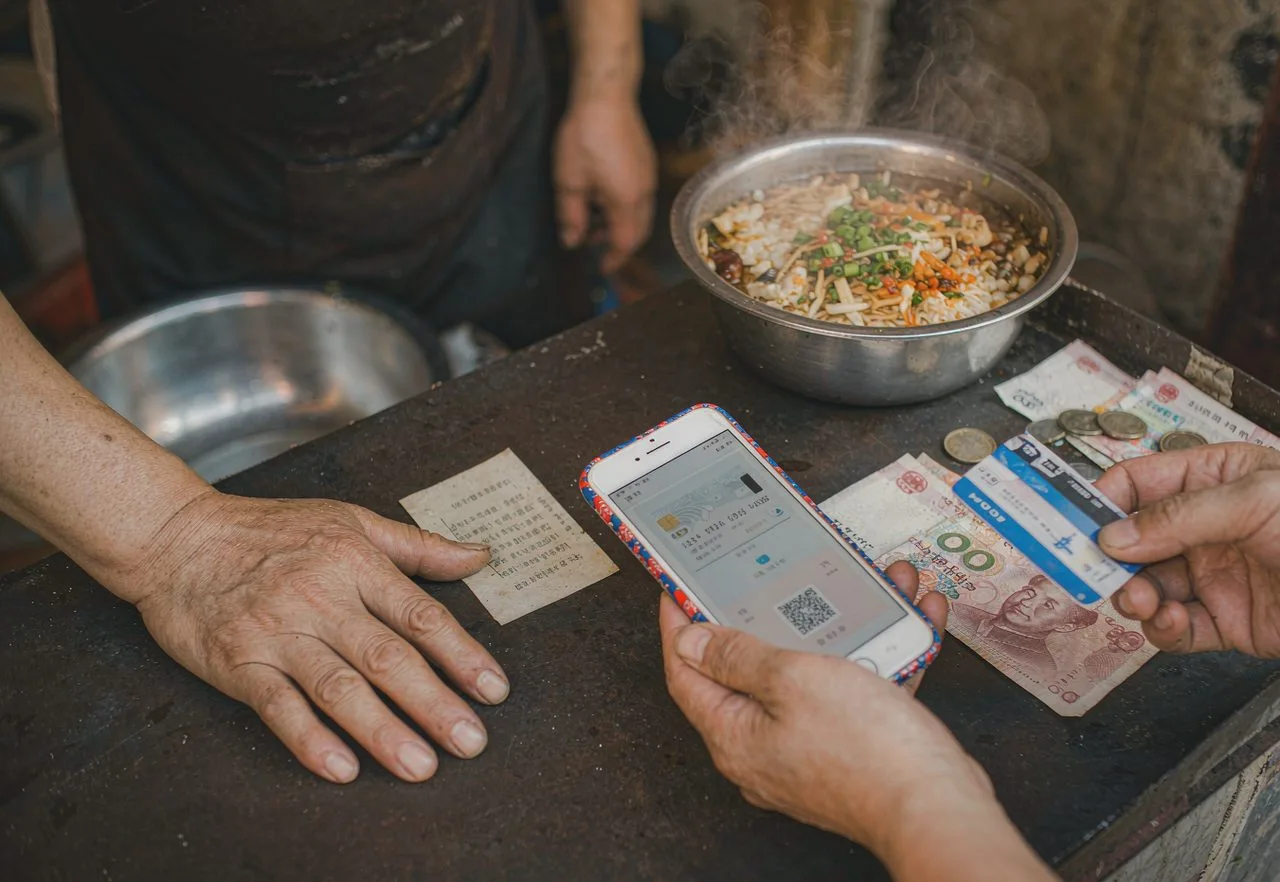
Cards & cash
Foreign cards work at hotels and big stores; tell your bank you’re travelling to avoid blocks. Keep a few hundred RMB cash for tiny stalls and rural buses.
Visa & entry (2026)
The rules have loosened a lot. Many nationalities now get 30-day visa-free entry — check the current list for your passport before you book. If yours isn’t on it, you’ll need a tourist visa.
No visa (if eligible)
50+ countries enjoy unilateral 30-day visa-free entry. Transiting to a third country? 57 nationalities can use the 240-hour (10-day) visa-free transit via 65 ports — you need a confirmed onward ticket.
L (tourist) visa
If you need one, apply at a Chinese embassy or visa centre before you go: passport, form, photo, itinerary, flights and hotel bookings. Typical 30/60/90-day, single or multiple entry.
Heads-up: visa rules change often. Always confirm the latest list on the official immigration-authority site before you book flights.
Best time to go
Spring (April–May) and autumn (September–October) are the sweet spot — mild, dry and clear. Late September into October is the cleanest window before it turns cold.
Avoid Golden Week (Oct 1–7) and Chinese New Year (dates move, usually January or February): trains and hotels sell out and prices spike across the country. Summer is hot and humid, though fine for the cool highlands of Yunnan, Tibet and Zhangjiajie.
What to pack
Do before you fly
- Install a VPN (Google/WhatsApp won’t work once landed)
- Set up Alipay + WeChat Pay and link a card
- Buy an eSIM or unlock your phone
- Save a passport photo to your cloud
Bring along
- A power bank (station sockets are scarce)
- Train snacks (on-board food is pricey)
- A refillable bottle; comfy walking shoes
- Some RMB cash for tiny stalls
FAQ
How much money do I need to backpack China?
About RMB 200–350 per day (roughly US$30–50) covers a hostel bed, street-food meals, metro rides and a few cheap sights. Add intercity trains on top — a Beijing–Shanghai hop is about RMB 553.
Do I need a visa for China in 2026?
Many nationalities get 30-day visa-free entry; others apply for an L (tourist) visa before flying. If you’re transiting to a third country, 57 nationalities can use the 240-hour (10-day) visa-free transit. Always check the current list for your passport.
Will my phone work and can I get online?
Yes — with prep. Buy an eSIM before you fly, and install a VPN before landing because Google, WhatsApp, Instagram and Gmail are blocked in China. Alipay and WeChat Pay (set up beforehand) handle most payments.
Is China safe for solo backpackers?
Very. Violent crime against travellers is rare and locals are generally helpful. Watch for the usual tourist-trap markups, keep your passport safe, and use registered hotels (tick “Foreigners Allowed” when booking).
How do I travel between cities?
High-speed rail is the default. Book on Trip.com (English, foreign cards) or the 12306 app, and treat your passport as the ticket — you scan it at the gate, no paper needed. Book ~15 days ahead for popular routes.
What’s the best time to backpack China?
Spring (April–May) and autumn (September–October) give the best weather. Avoid Golden Week (Oct 1–7) and Chinese New Year, when trains and hotels sell out and prices jump.
Explore more China guides
Practical first-trip China guides — visas, VPN, eSIM, Alipay, trains, and city routes.