Travel Insurance China 2026: Do You Need It, What It Costs & What to Buy
Short answer: travel insurance is not legally required to enter China on a tourist visa, the 30-day visa-free scheme, or the 240-hour visa-free transit — border officers do not ask for a policy. Buy one anyway. Chinese hospitals bill before they treat, an inpatient deposit of RMB 10,000 or more (sometimes higher) is commonly required from foreign patients before non-emergency admission, and an air ambulance from China back to North America is quoted in the tens of thousands of US dollars. A good policy for a two-week trip runs $30–80. This 2026 guide to travel insurance China explains what to buy, what credit cards already cover, what China-specific exclusions to watch for, and how claims actually work once you’re there.
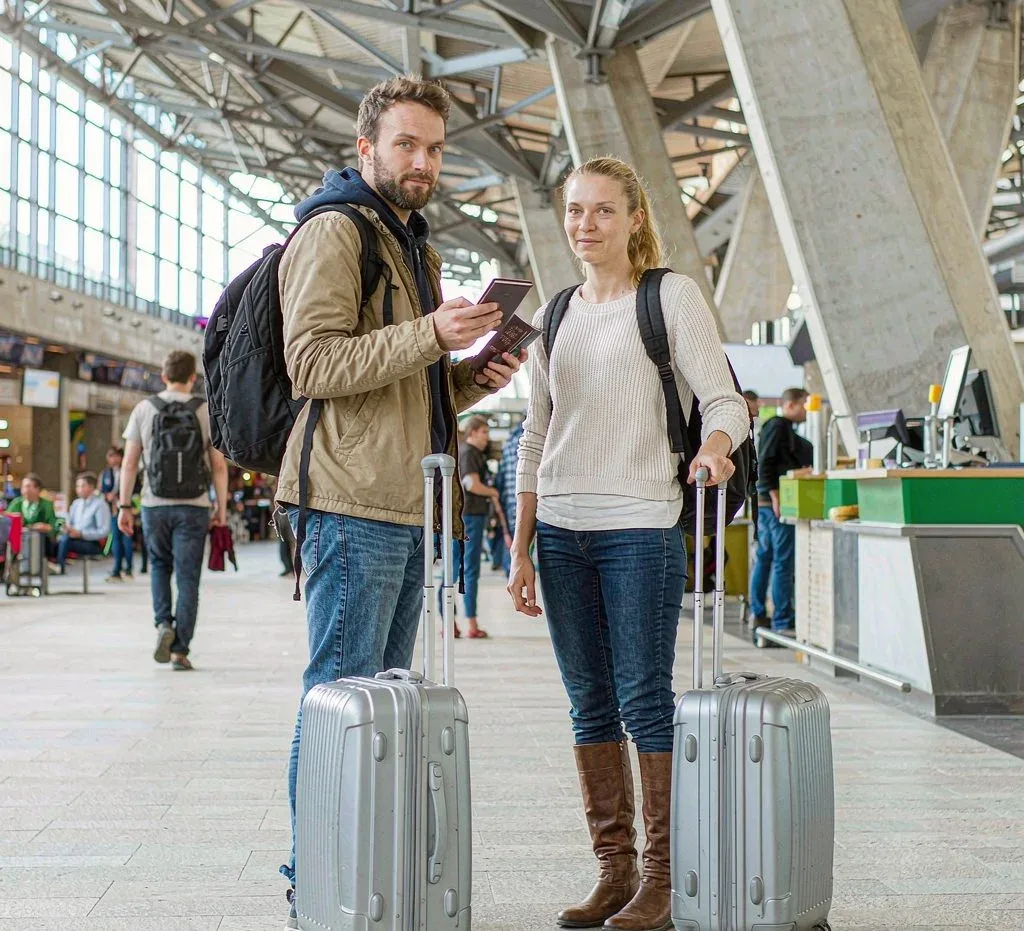
Do you need travel insurance for China?
Nothing in Chinese immigration law makes travel insurance a condition of tourist entry, and officers at the border do not check for a policy. That holds for all three common routes:
- 30-day visa-free entry — no insurance certificate required for eligible nationalities.
- 240-hour visa-free transit — no insurance requirement; you only need a valid passport, an onward ticket to a third country, and a completed arrival card.
- L tourist visa — not required for most nationalities. A few Chinese consulates ask for proof of insurance with the application, but most do not.
Some longer-stay and special-category visas (work, study, some family reunification) often do ask for proof of cover, and organised group tours sometimes require it through the operator. Check the requirements published by the specific consulate handling your application on the week you apply — rules are set locally and change.
What travel insurance for China actually covers
A serious China travel policy is built around five core benefits. Read the policy wording carefully — the marketing summary and the fine print can disagree, and the fine print is what governs at claim time.
The five core benefits
- Emergency medical — illness or injury during the trip. Minimum $100,000, ideally $250,000+.
- Emergency medical evacuation & repatriation — medically necessary transport to a better facility or back home. Minimum $250,000, ideally $500,000+. This is the benefit people under-buy.
- Trip cancellation & interruption — refunds non-refundable bookings if you can’t go (illness, family emergency, visa denial) or must cut the trip short.
- Baggage loss & delay — replacement essentials after checked luggage is lost or delayed (usually 6+ hours).
- Personal liability — if you accidentally injure someone or damage property. Around $1 million is standard.
Three benefits that matter more in China than elsewhere
- 24/7 emergency assistance hotline. Because Chinese hospitals bill before they treat, the hotline is what turns a policy into working money on the day. It can issue a guarantee of payment so the deposit never lands on your card. A policy with a strong medical limit and a hotline that answers slowly is worse in practice than one with a lower limit and a service that picks up in two rings.
- Emergency dental — usually a sub-limit around $250–500. Dental emergencies do happen.
- Trip delay — meals and a hotel after a qualifying delay (often 6+ hours). Internal flight delays inside China are common, especially in summer.
Optional add-ons worth knowing
- Adventure activities — standard policies often exclude skiing, scuba, mountaineering and motorcycles. Buy a rider if you plan any of these.
- Gadget cover — phones, cameras, drones and laptops are commonly excluded from baggage or capped at low limits.
- Cancel for Any Reason (CFAR) — reimburses 50–75% of non-refundable costs for any reason at all. Usually a paid upgrade costing ~50% of the trip cost, and you must buy it within a short window of your first trip deposit.
What Chinese healthcare actually costs without insurance
The single biggest reason to buy a policy is not the cost of a doctor’s visit. It is the size of the bills you cannot predict. Three tiers exist in major Chinese cities, and the price gap between them is enormous:
| Service | Public hospital | Public hospital VIP / international wing | Private international clinic |
|---|---|---|---|
| Outpatient consultation | RMB 20–80 | RMB 450–1,300 | ~USD 150+ |
| Specialist consultation | RMB 50–150 | RMB 500–1,300 | USD 200+ |
| Inpatient bed, per night | Low hundreds (RMB) | Mid-hundreds to low thousands | USD 300+ |
| Surgery | RMB 5,100–150,000 depending on complexity | Higher tiers | USD 5,000+ |
| Ambulance (120) | RMB 300–1,500, paid on arrival | Same | USD 200+ |
| Inpatient deposit before admission | Commonly RMB 10,000 or more, sometimes higher, set at roughly 30–50% of projected cost | ||
That last line is the one that matters. A public-hospital visit for something minor is cheap enough to self-insure — a RMB 60 consultation and a RMB 120 prescription is a receipt you throw away. The tail risk lives at the other end of the table. Industry figures put a stable commercial medical escort at the lower end, but an air ambulance from China to North America runs USD 20,000–200,000+ depending on aircraft, crew and whether the patient needs ICU-level care in the air. You do not get to choose which category you fall into.
How much does China travel insurance cost?
2026 marketplace data averages around $22 a day, with medical-only cover from about $1 a day. For a typical two-week trip, a standard policy runs $30–80 for a healthy adult; long-stay and senior plans cost more. Sample 7-day quotes for a 30-year-old traveler to mainland China:
| Provider | Indicative 7-day price | Medical cover | Evacuation | Trip cancellation | Notes |
|---|---|---|---|---|---|
| Trip.com add-on (AXA, US site) | from $16 | $192,000 | $153,600 | 100% trip cost (Vacation Package) | Free cancellation of linked Trip.com bookings if a claim is approved; easiest if you book with Trip.com |
| SafetyWing Nomad Essential | from $42 / 4 weeks | $250,000 | $100,000 | Not in base (buy add-on) | Monthly subscription, ages 14 days–69; long stays and digital nomads |
| AXA Assistance | from $65 | $100,000 | $500,000 | Included | Includes COVID-19 cover; rental car protection |
| Allianz OneTrip Prime / Premier | from $76 | $50,000–$500,000 | $500,000–$1,000,000 | Up to 100% of trip cost | Big cancellation numbers; “Cancel for Any Reason” add-on available; Chinese-language service via WeChat 400-820-6899 |
| World Nomads Standard / Explorer | from $93 | $100,000–$150,000 | $300,000–$500,000 | Included (Standard) | Covers 150+ adventure activities; can buy or extend from abroad |
Get a quote at safetywing.com, worldnomads.com, allianztravelinsurance.com and axa-assistance.us. Always read the product disclosure statement for the policy you are buying — coverage, exclusions and prices vary by country of residence, age and length of trip.
Best travel insurance for China by traveler type
Names below are the providers that come up most often in 2026 comparison sites and traveller forums for China trips. Listing them describes the market, not an endorsement — availability, price and terms depend on your country of residence, age and trip length.
From the United States
- Allianz OneTrip Prime / Premier — high evacuation limits, strong cancellation, CFAR add-on. Best all-rounder for prepaid trips.
- World Nomads Standard / Explorer — covers 150+ adventure activities; can buy or extend from abroad.
- SafetyWing Nomad Essential / Complete — monthly subscription, ages 14 days–69; the standard pick for digital nomads and longer stays.
- GeoBlue Voyager Choice / BCBS Global Solutions — up to $1 million medical for US residents who already hold a primary US health plan. From about $33 for 14 days (age 30).
From the United Kingdom, Europe & Ireland
- World Nomads — one of the most-used policies for backpackers and adventure travel.
- Allianz Travel — strong cancellation cover; English-language service.
- AXA — direct billing at international clinics in major Chinese cities; CFAR upgrade.
- Many European premium cards (BoursoBank Visa Ultim, certain Gold Mastercard and Visa Premier products) include better medical cover than US cards — up to around €155,000. Treat as a top-up, not a substitute.
From Australia & New Zealand
- Allianz, World Nomads, Cover-More and Fast Cover are the names most often compared. Cover-More and Southern Cross are regional specialists. Some policies are not available to all nationalities, so check eligibility before you compare price.
From Canada
- TuGo, Manulife CoverMe, and World Nomads cover Canadian residents. Some Canadian premium credit cards (TD First Class Travel Visa Infinite, CIBC Aventura, Scotiabank Passport) bundle strong medical cover up to $2–10 million, but the duration is capped and pre-existing conditions are usually excluded.
Does your credit card already cover you?
Almost always: partly. The label “free travel insurance with your card” sounds comprehensive, but it mostly covers cancellation, delays, baggage and rental cars — the cheapest categories to insure. The expensive categories (medical, evacuation) are exactly where most cards offer the weakest protection.
| Card (US) | Emergency medical | Evacuation | Trip cancellation | Notes |
|---|---|---|---|---|
| Chase Sapphire Reserve | $2,500 (after $50 deductible) | $100,000 | Up to $10,000 | Trip must be booked on the card |
| American Express Platinum (US) | None | Coordinated by Premium Global Assist (costs fall on you unless pre-authorised) | Up to $10,000 / trip; $20,000 / year | Strong cancellation, weak medical |
| Capital One Venture X | None | None | Up to $2,000 | Baggage and delay only |
| Typical Visa Signature / World Elite | $50,000–$250,000 (not always) | Varies | Varies | Strict activation rules and activity exclusions |
Three rules govern most card benefits:
- You must usually pay for the trip with the eligible card. Paying through a different card or wallet can void cover.
- Trip length is typically capped at 15–30 days; some cards allow up to 90 days. Longer trips fall outside the cover.
- Pre-existing conditions are excluded on nearly every card policy. Pregnancy-related care and mental-health treatment are often capped or excluded as well.
The gap that matters is the evacuation scenario: none of the cards above covers the air-ambulance bill that bankrupts people. Treat card benefits as a bonus on top of a real China medical policy, not a substitute.
Pre-existing conditions, altitude & common exclusions
Standard policies exclude more than you might expect. Read the exclusions page before you buy, and again before you fly.
Pre-existing medical conditions
Excluded by default on almost every policy. You can sometimes add a waiver, but the waiver almost always requires buying the policy within 14–21 days of your first trip payment. If you have any ongoing condition (asthma, hypertension, diabetes, mental health), confirm the rules before you commit.
Altitude
Many policies exclude or cap cover for treatment above 3,000–4,500 m. Lhasa sits at 3,656 m, and several Tibet and Yunnan itineraries cross the threshold. If you are heading west, confirm altitude cover before you buy.
COVID-19
Most major insurers (World Nomads, AXA, Allianz, SafetyWing) treat COVID-19 as a standard illness in 2026 and cover related treatment and cancellation, but check the wording — some policies still exclude pandemic-related claims.
Adventure activities
Standard policies usually exclude skiing, snowboarding, scuba diving, mountaineering, motorbikes, bungee jumping and skydiving. World Nomads Explorer and Allianz adventure riders cover most of these.
Other common exclusions
- Alcohol- or drug-related injuries.
- High-value items left unattended in public.
- Pregnancy complications after a certain week.
- Mental-health treatment (often capped).
- Travelling against medical advice.
How claims actually work in China
This is the part most guides skip, and it is the part that determines whether your policy is useful.
Before you need it
- Set up Alipay and WeChat Pay before you fly. Hospital cashiers take these even when foreign cards fail. Cash in small RMB notes for the registration fee.
- Save your policy number and the 24/7 assistance hotline as a contact and as an offline screenshot. Save the same details for your travelling companion.
- Know your nearest hospital with an international department. Tier-1 cities (Beijing, Shanghai, Guangzhou, Shenzhen, Chengdu, Hangzhou) have United Family Healthcare, Parkway Health and public-hospital international wings.
Call the 24/7 hotline before treatment if you can. Direct billing exists mainly at international departments of public hospitals and at private clinics that partner with big insurers (Cigna, Allianz, AXA, Bupa). The hotline can tell you whether a payment guarantee can be arranged and where to go. Everywhere else, expect to pay first and claim later.
Public hospitals want payment at each step and a deposit before any admission — this is normal, not a scam. Treat the cashier queue as part of the process.
At the hospital
- Ask for the international window if one exists; the staff there often speak English and deal with foreign insurers routinely.
- Show your policy documents and hotline number. Ask the insurer to issue a guarantee of payment if possible.
- If you pay yourself, collect the itemised fapiao receipts (the official tax receipt), test results, prescriptions and the written diagnosis. Claims need documentation of what was treated, not just proof you paid.
- Photograph every document before you leave the building. Chinese paper receipts fade quickly under fluorescent light.
After treatment
- Translate the Chinese-language receipts to English with your phone camera before submitting; most claims portals accept machine translation as a working draft.
- Submit within your policy’s deadline — submission windows run from a few weeks to a year depending on the insurer.
- If a claim is denied, ask for the exact clause. Most denials are about a specific exclusion (pre-existing, altitude, alcohol), not the whole event.
Emergency numbers & hospitals in China
Numbers worth memorising before you board
- 120 — ambulance.
- 110 — police.
- 119 — fire.
- 12308 — Chinese Ministry of Foreign Affairs 24-hour consular protection hotline (also reachable from overseas).
- Your own government’s consular number — the Chinese MFA will route you to your embassy if you cannot reach the consulate directly.
Hospitals that handle foreign visitors
- Tier-1 cities — United Family Healthcare (UFH), Parkway Health, and the international wings of public hospitals (Peking Union Medical College Hospital, Huashan, Ruijin, etc.). Most have English-speaking staff and direct-billing partnerships with the major insurers.
- Tier-2 / 3 cities — English support is limited; the insurer’s 24/7 hotline can help locate the nearest English-speaking facility and, where possible, a doctor who can do a video consultation first.
- Rural and western China — the case for evacuation cover is strongest here. Confirm helicopter rescue is included before you go.
When to buy & practical tips
- Buy before you depart. Coverage starts on the departure day. World Nomads allows buying or extending within 5 days of departure; SafetyWing can be bought from abroad; most others require purchase before you leave.
- For pre-existing waivers, buy within 14–21 days of your first trip payment.
- Read the exclusions page, not the marketing summary. The policy wording is the only document that matters at claim time.
- Check maximum trip length. Many standard policies cap at 30–90 days; longer stays need a nomad plan (SafetyWing, World Nomads extension, IMG).
- Confirm altitude and adventure cover if you are heading to Tibet, Yunnan, Xinjiang, Zhangjiajie or anywhere with planned hiking, skiing or climbing.
- Set up Alipay and WeChat Pay before you fly — hospital cashiers take these even when foreign cards fail.
- Save your policy number and the 24/7 hotline as a phone contact and as an offline screenshot.
- Photograph every page of your policy, every receipt at the hospital, and every entry in your travel journal. The habit of documenting saves enormous headaches if you ever need to file a claim.
Travel insurance China: frequently asked questions
Do I need travel insurance to enter China?
No. Neither the 30-day visa-free entry, the 240-hour visa-free transit, nor the standard L tourist visa asks border officers for proof of travel insurance. Buy it anyway because Chinese hospitals bill before they treat and an air ambulance from China can run $20,000–200,000 or more.
How much does travel insurance for China cost?
A standard policy for a two-week trip for a 30-year-old runs about $30–80. 2026 marketplace data averages around $22 a day, with medical-only cover from about $1 a day. SafetyWing starts near $42 for four weeks; Allianz OneTrip, World Nomads and AXA sit in the $65–200 range depending on trip length, age and coverage level.
Does my credit card cover me in China?
Only partly. Most card “travel insurance” focuses on cancellation, delays, baggage and rental cars, not medical. Chase Sapphire Reserve adds $2,500 of emergency medical and $100,000 of evacuation. American Express Platinum has no emergency medical. Capital One Venture X has no medical or evacuation. Treat card benefits as a bonus on top of a real China medical policy, not a substitute.
What does travel insurance for China cover?
At minimum: emergency medical ($100,000–250,000 recommended), emergency medical evacuation ($250,000–500,000+), trip cancellation and interruption for covered reasons, baggage loss and delay, personal liability (around $1 million), emergency dental, and a 24/7 assistance hotline. The hotline matters most in China because it can issue a guarantee of payment so the hospital deposit never lands on your card.
Does travel insurance cover pre-existing medical conditions?
Standard policies exclude pre-existing conditions by default. You can sometimes add a pre-existing waiver, but the waiver usually requires buying the policy within 14–21 days of your first trip payment. Read the exclusions page before you buy.
How do I make a claim if I get sick in China?
Call your insurer’s 24/7 assistance hotline before treatment if you can. They can tell you whether the hospital will accept a direct-billing arrangement or whether you should pay and claim back. Collect the itemised fapiao receipts, test results, prescriptions and the written diagnosis; photograph every document before you leave the building; translate them to English before submitting.
Continue your planning
Travel insurance covers the “what if” of a China trip. The pages below cover the parts you can plan ahead: getting in, getting around, and the cities worth adding to your itinerary.