Food safety in China: the safe bets
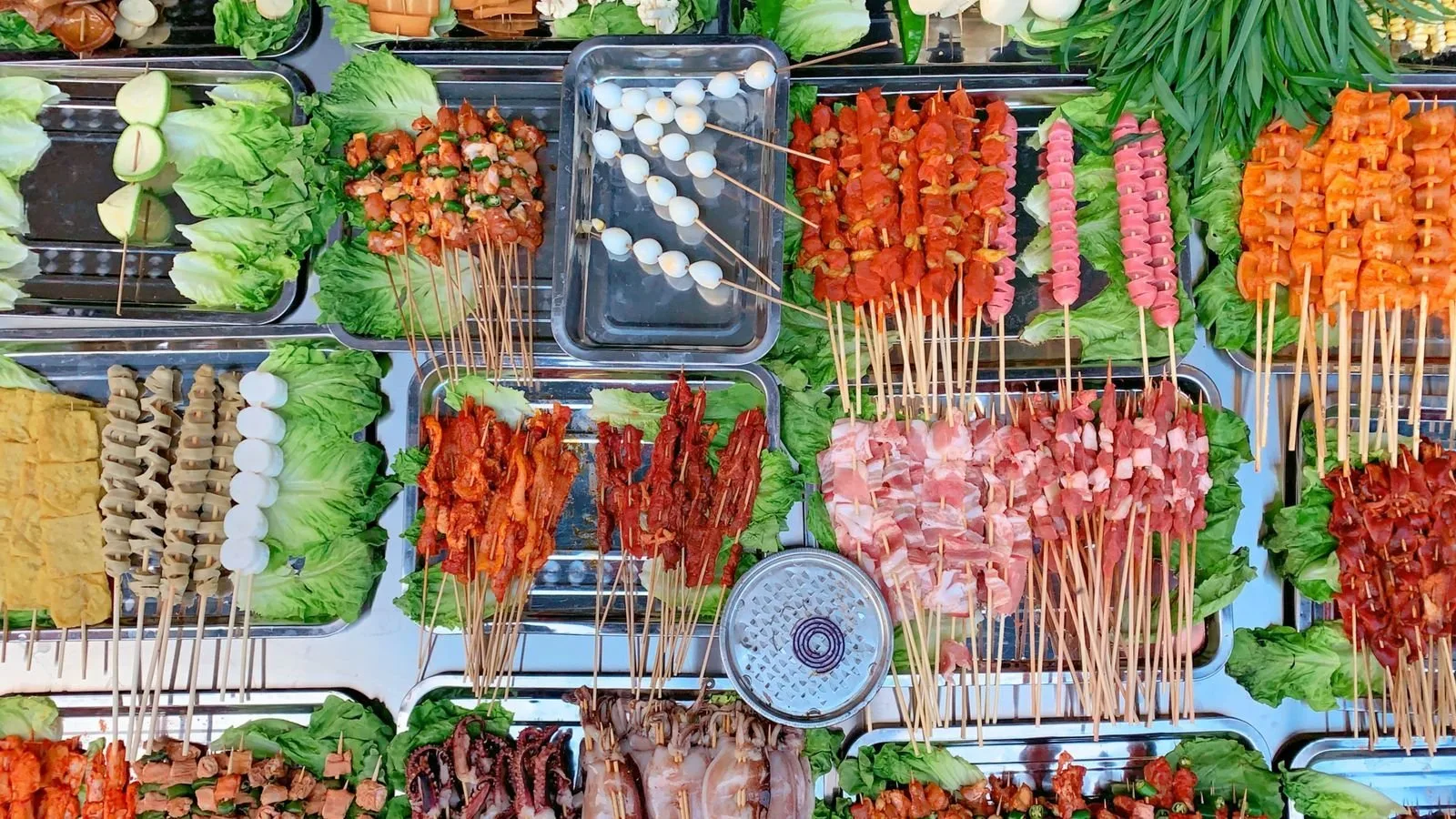
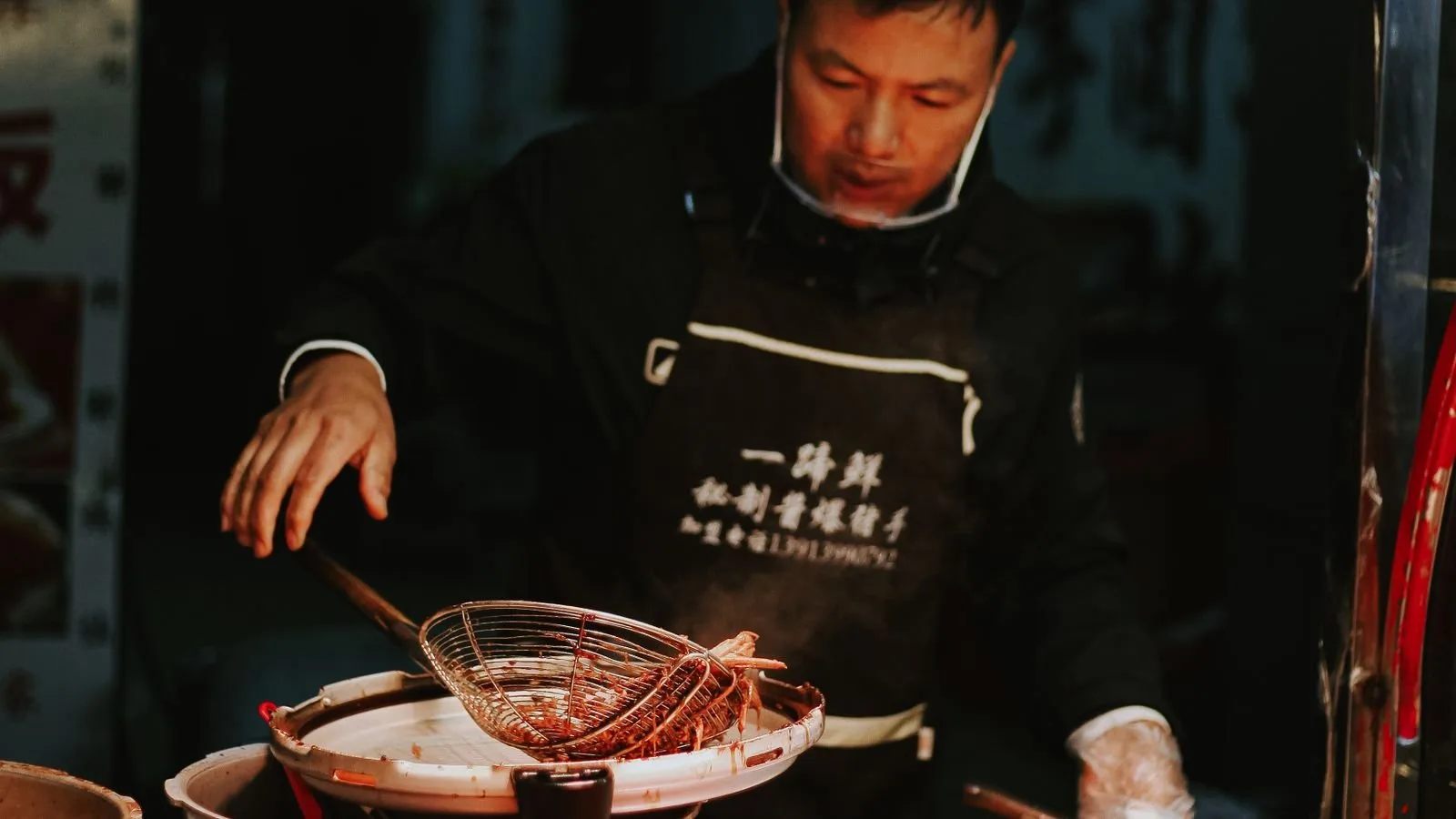
Busy street stalls
High turnover means fresh ingredients and hot oil. Locals are picky — if they’re queuing, it’s safe.
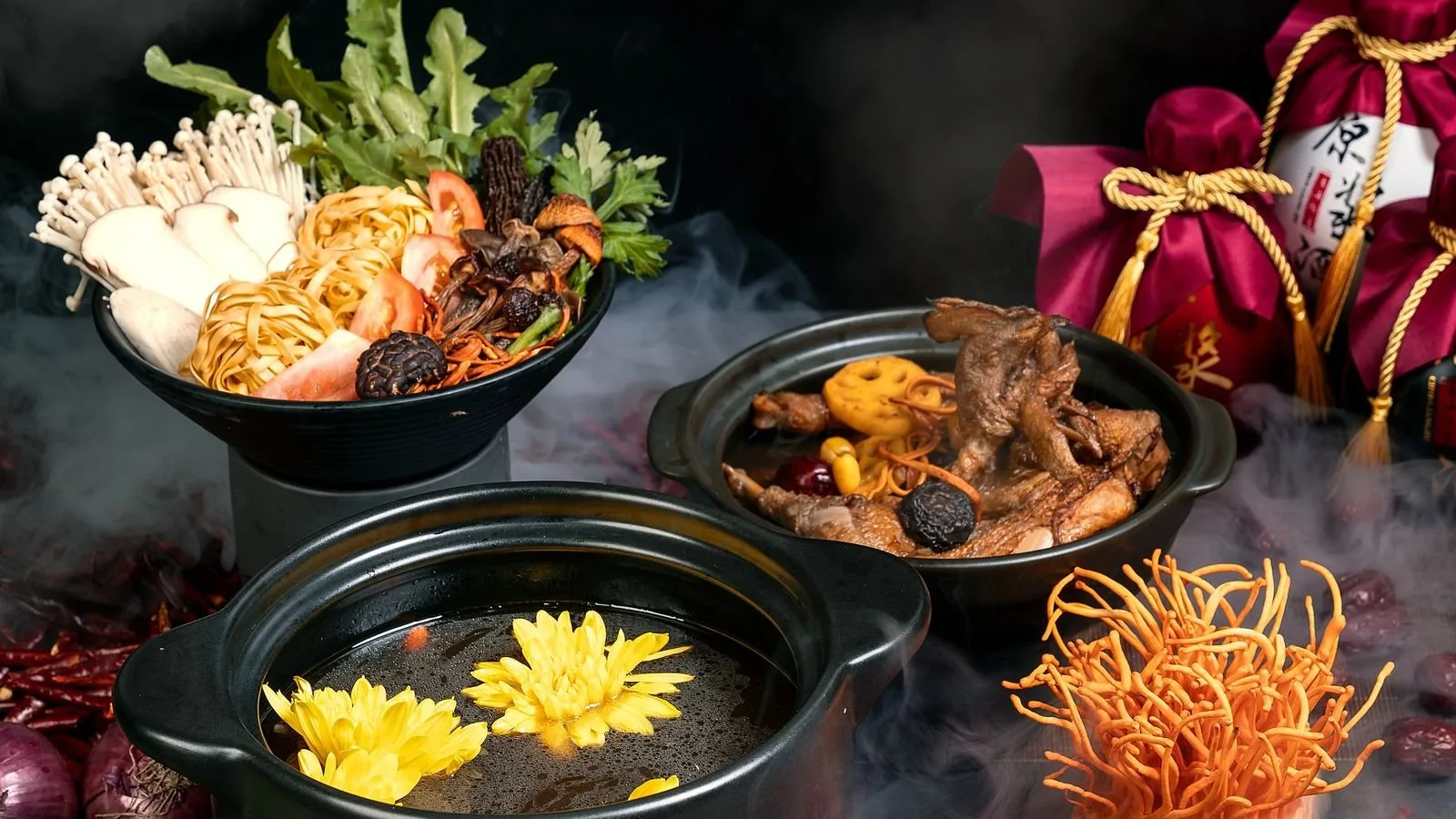
Hotpot & noodle shops
Everything is boiled at your table or cooked to order. A cornerstone of safe, delicious eating.
Chain & mall restaurants
Standardized kitchens, English menus common, and consistent hygiene. An easy, reliable choice.
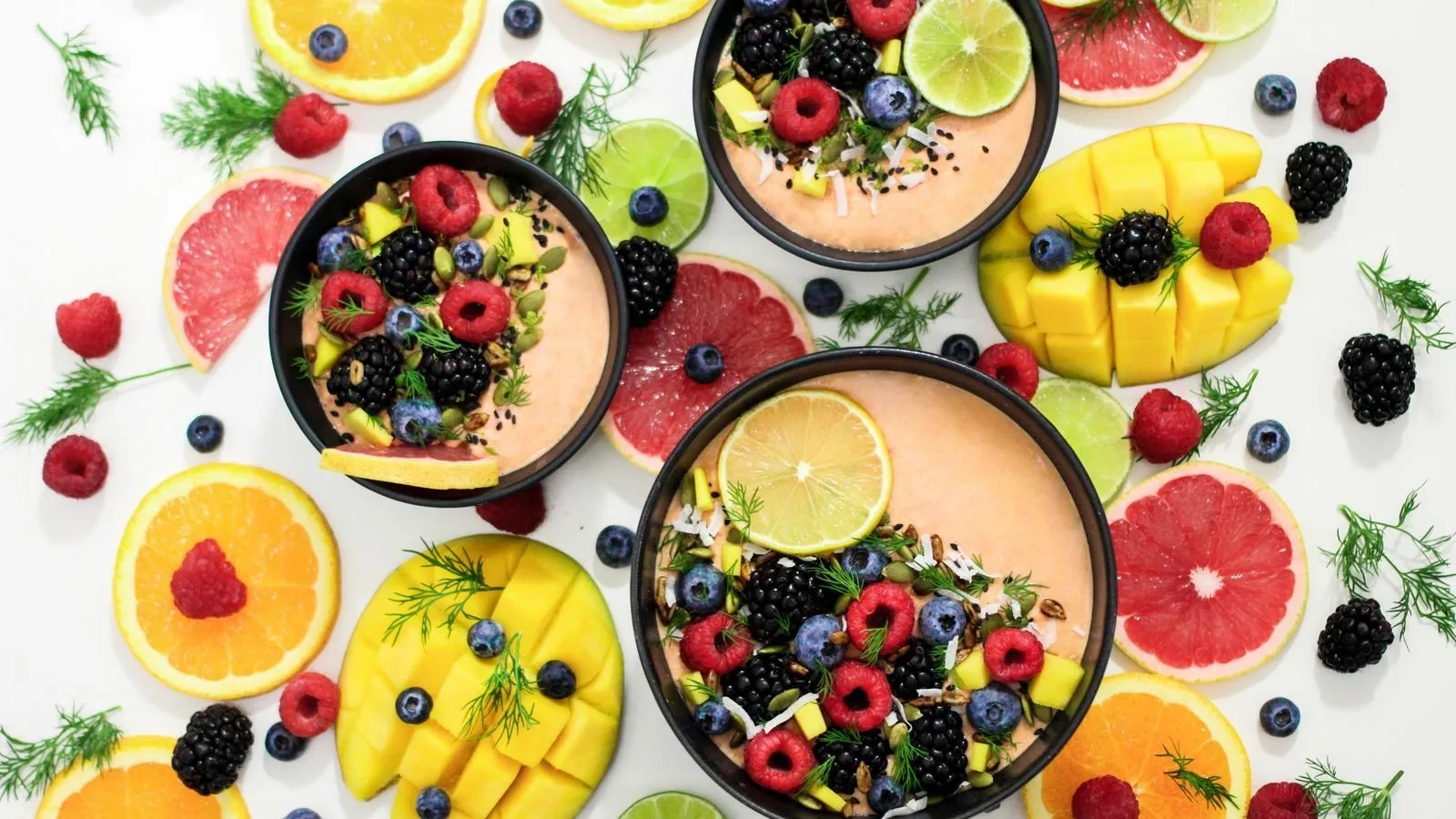
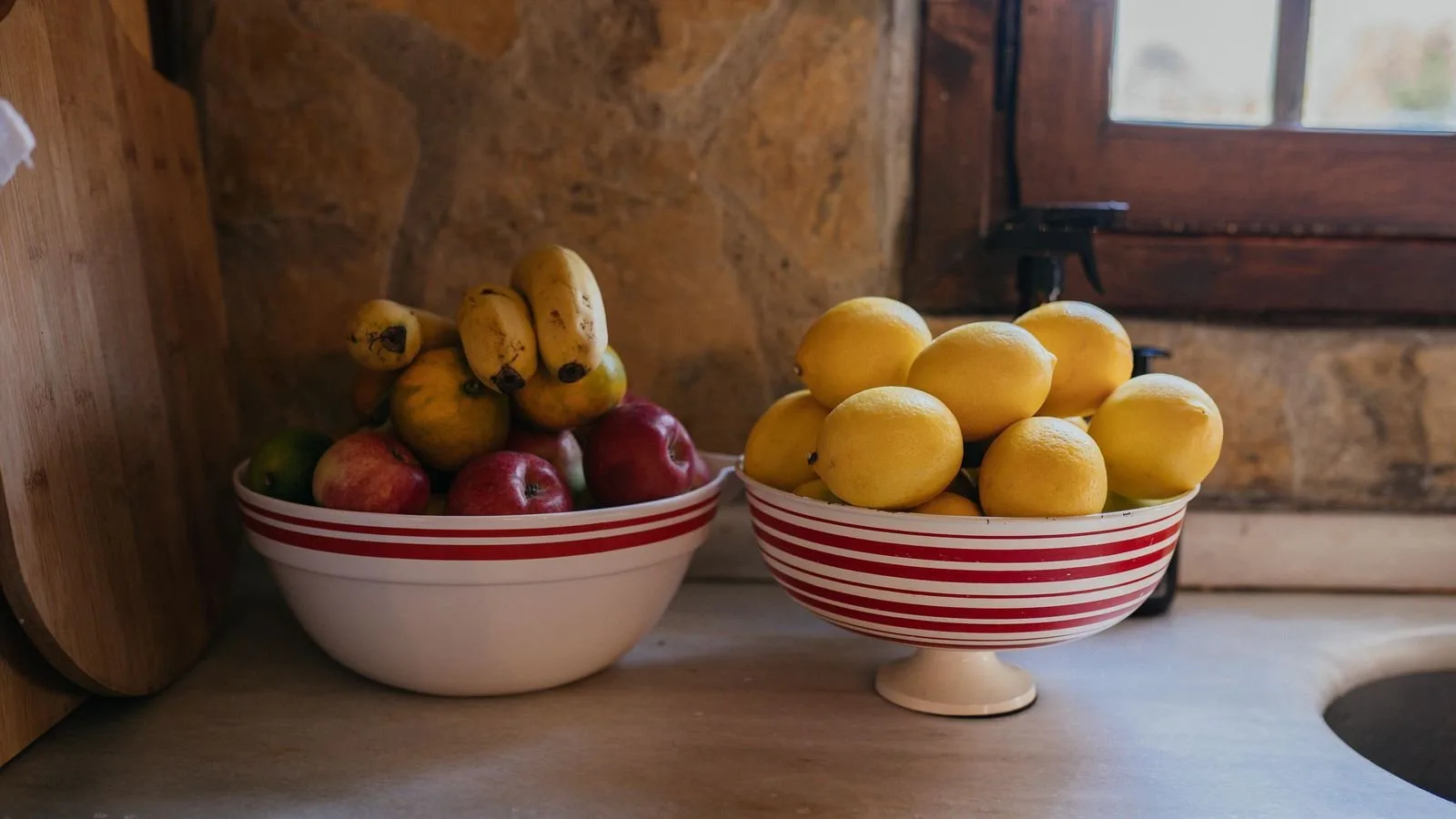
Peeled fruit
Bananas, oranges, mangoes — peel and eat. Always safe and refreshing on the go.
Be a little careful
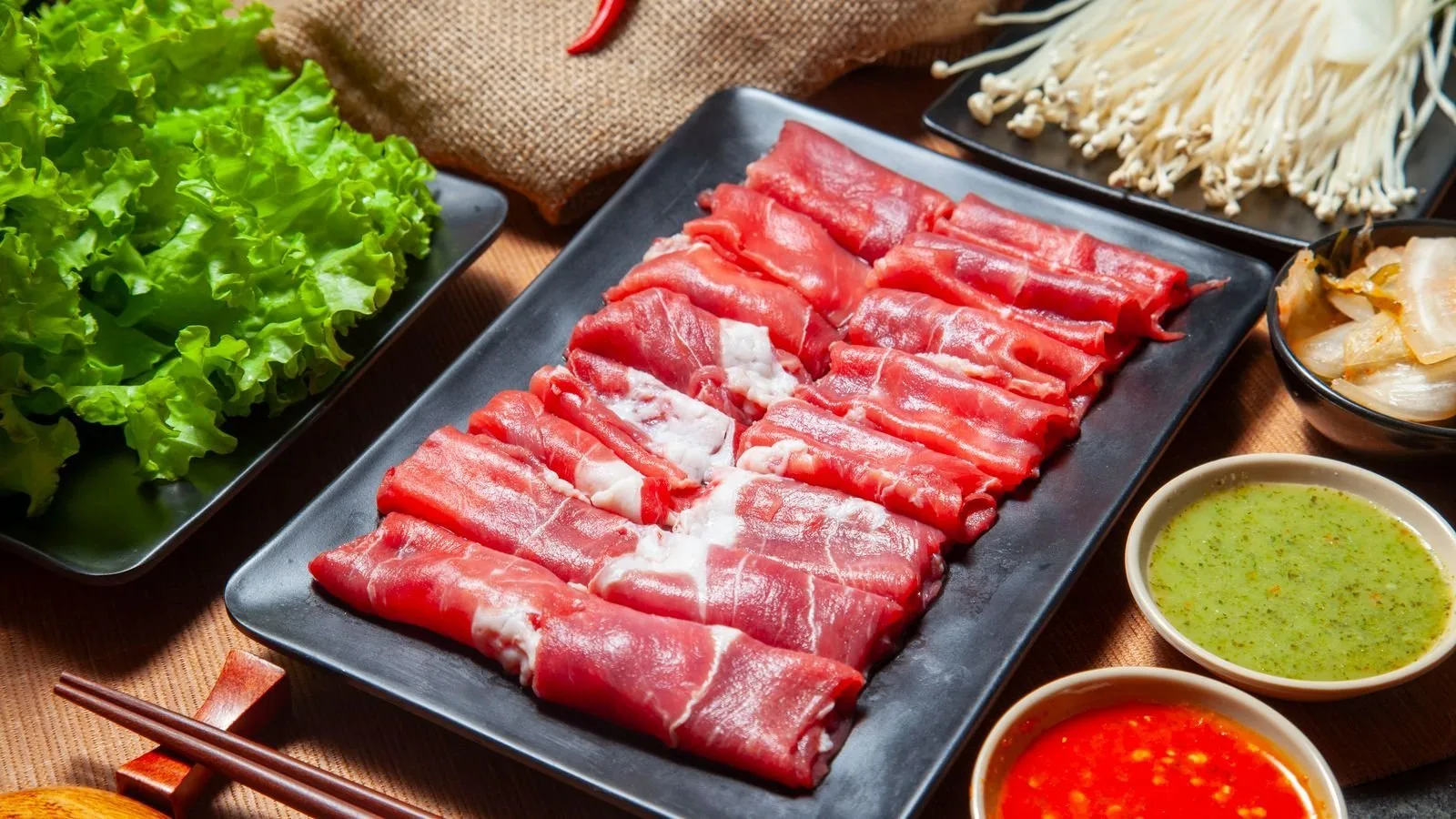
Raw or undercooked
Sashimi and runny eggs are fine at reputable places; at uncertain stalls, skip them if your stomach is sensitive.
Ice from unknown sources
At international hotels, Western chains and proper restaurants the ice is filtered — safe. At random street stalls, just say “no ice” (去冰).
Very spicy regional food
Sichuan and Hunan can surprise first-timers. Build up gradually, and learn “I don’t eat spicy” (我不吃辣).
Avoid
Tap water
Never drink it; see our water page for the why and the easy fixes.
Empty, quiet stalls
No queue and food sitting out? Walk on. Locals vote with their feet.
Pre-cut fruit in the sun
If it’s been sitting uncovered for hours, choose a peeled option instead.
Is this stall okay? The 5-point test
This quick China food safety checklist takes about five seconds and works at any stall — from a night-market skewer stand to a mall food court.
Quick questions
Yes — at busy stalls. The “eat where locals queue” rule is the single most reliable safety signal in China: high turnover means fresh ingredients and hot oil.
At proper restaurants, no — cooked vegetables and salads there are fine. At uncertain street stalls, the cooked-over-raw default is the safer choice.
Yes. The tea served before your order is made with boiled water, which kills pathogens. It is safe and, in most casual dining, practically unavoidable.
Carry a Chinese allergy card (allergen names in Chinese) and learn a few key phrases. At smaller stalls, point to ingredients and avoid mixed sauces when you cannot confirm them.
Worried about the water? Read this
Tap water is the one thing to skip. Our water page explains why and what to drink instead.