High-speed rail — between cities
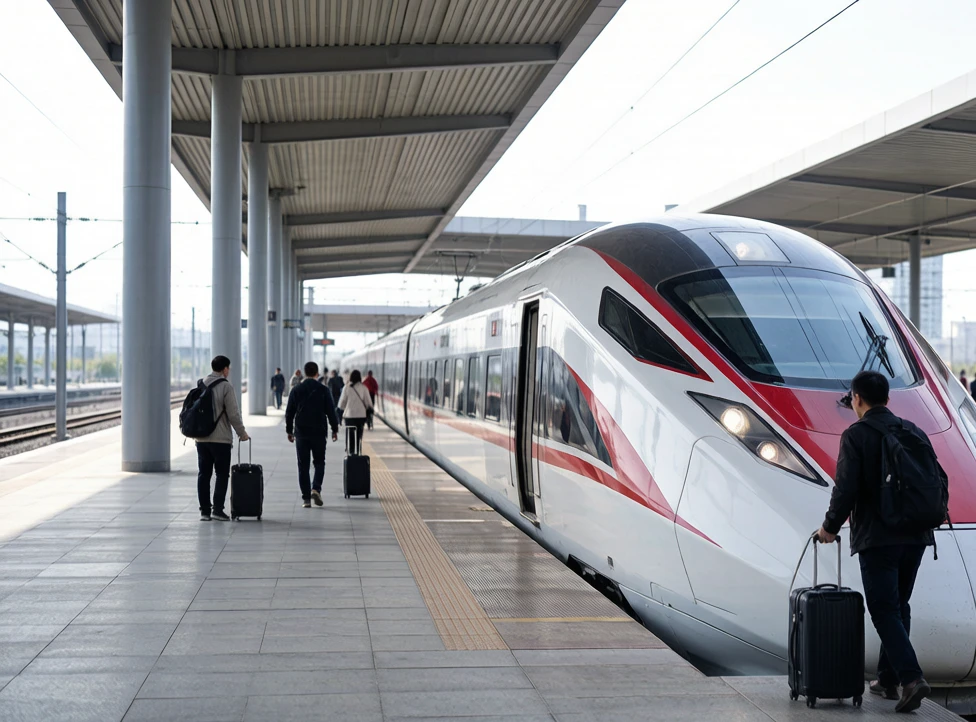
China’s high-speed trains (Gaotie) run 300–350 km/h and link almost every major city. Door-to-door they’re often faster than flying once you add airport time, security and the ride in.
- Book on 12306 (official, zero fee, English mode) or Trip.com (full English, foreign cards, small per-ticket fee). Both use your passport as the ticket — no paper needed.
- Booking window: 12306 opens 15 days ahead; Trip.com takes 30-day pre-booking. Book the moment it opens for holidays and summer — popular routes sell out within minutes.
- At the station: arrive 45–60 min early, clear security, then tap your passport at the gate. Auto-gates can reject foreign passports — use the staffed lane right beside them.
- Seats: second class (3+2) is comfortable; first class (2+2) and business are roomier upgrades for longer trips.
- Sample fares: Beijing–Shanghai about 4.5 hours, second class around ¥550–660; Shanghai–Hangzhou about 1 hour; Beijing–Xi’an about 4.5 hours; Chengdu–Chongqing about 1.5 hours.
Metro — the cheapest way across town
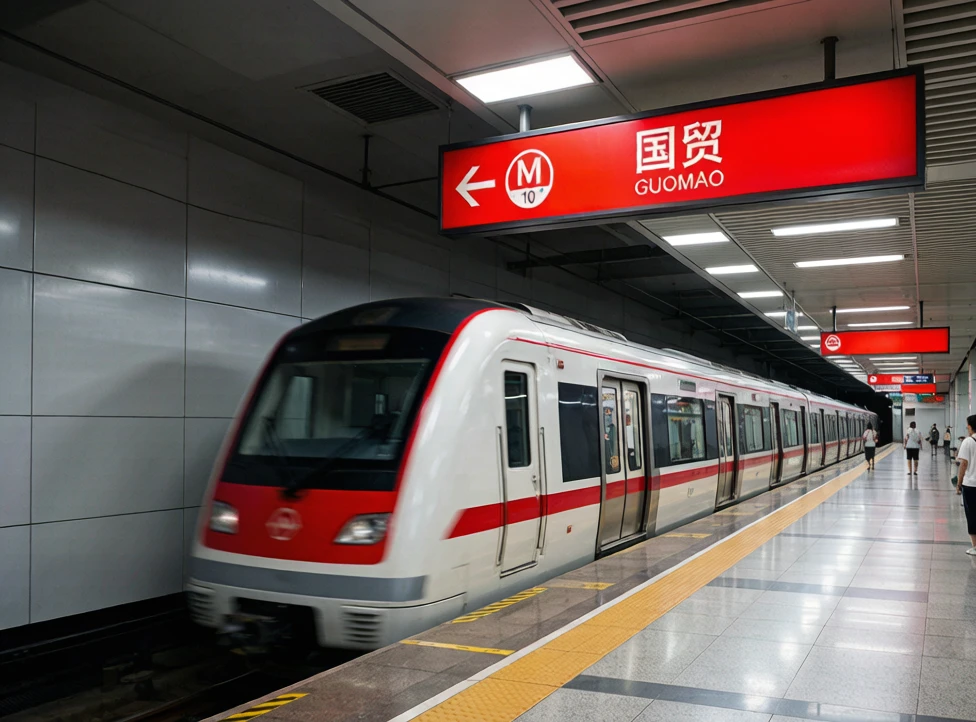
More than 50 Chinese cities have a metro (Beijing 27 lines, Shanghai 20, Chengdu 13…). Fares run ¥2–10 a ride, signs are in English, and there’s a security check at the entrance.
- Pay with the Alipay or WeChat transport code — set it up before you fly (search “Transport” in the app). It works in most big cities; foreign-card support varies, so also grab a 20 RMB transit card at the station desk as backup.
- Single-journey tickets: buy at the machine (English UI) with cash, Alipay or WeChat.
- Contactless cards: in a few cities (Beijing, Shanghai, Guangzhou, Chengdu) you can tap a foreign Visa/Mastercard at the gate — handy, but not guaranteed everywhere.
- Navigate with Amap (Gaode) or Baidu Maps; Apple Maps works as a fallback. MetroMan gives offline metro maps for planning.
DiDi — ride-hailing, in English
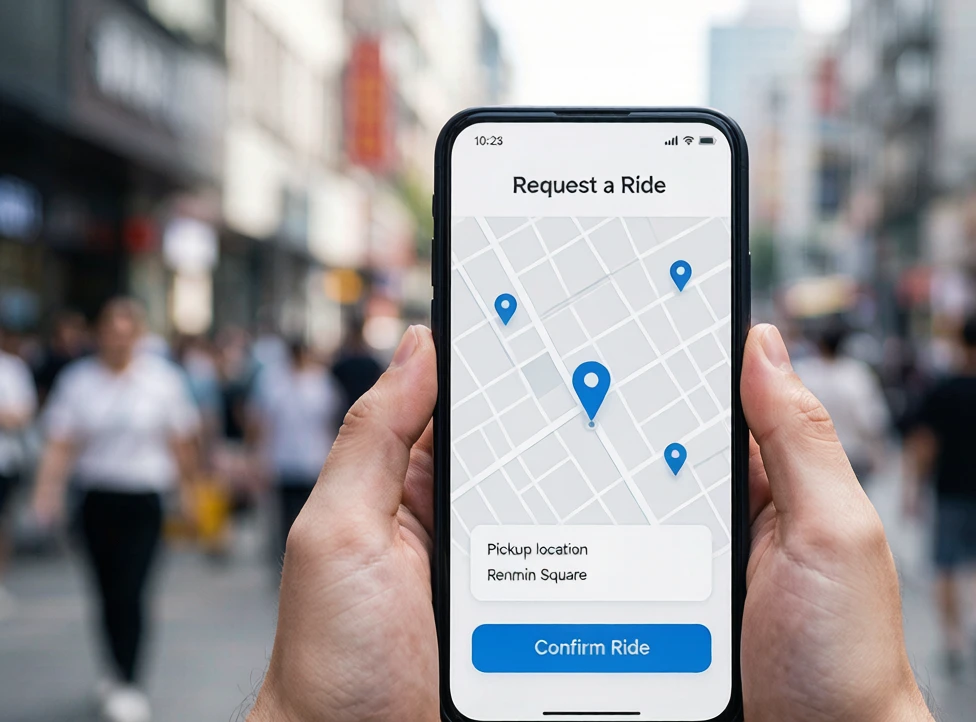
DiDi is China’s Uber — live in 400+ cities, with a full English app and upfront fares. Usually cheaper and safer than street taxis, especially after dark or with luggage.
- Download DiDi Global before you leave; register with your own phone number (no Chinese SIM needed).
- Pay by Alipay or a foreign Visa/Mastercard — link it in the app, or just open the DiDi mini-program inside Alipay.
- Type destinations in English; the app translates the address for the driver. The fare is shown before you confirm — no surprises, no tipping.
- City rides run about ¥15–60. Use it for airport runs, late nights, and places the metro doesn’t reach.
Domestic flights — when distance is far
For Beijing–Chengdu or Shanghai–Kunming, flying saves hours. Domestic airlines (Air China, China Eastern, China Southern) are generally safe and on time.
- Book on Trip.com or the airline’s own app — both in English, both take foreign cards.
- Book a few days ahead; same-day prices jump, especially around holidays.
- At the airport: allow 90 minutes for domestic flights. Major airports have English signs; download your airline’s app for the boarding pass.
- Airport to the city: every major airport links to the metro (fast, about ¥10–40) or a DiDi ride (about ¥80–150 to the centre). Signs are bilingual — keep your hotel name in Chinese characters handy for the driver.
Travel insurance — sort it before you fly
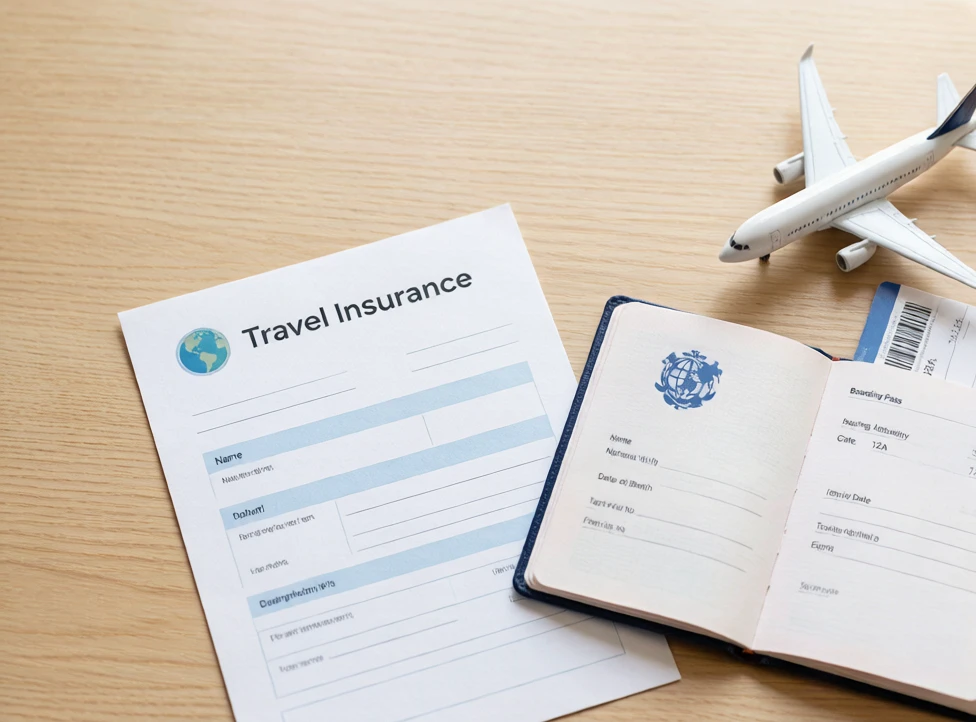
Chinese hospitals usually want payment up front, and a deposit before treatment isn’t unusual. Good cover turns a bad day into a paperwork day.
- Medical cover of at least US$100,000.
- Emergency evacuation back home.
- Trip cancellation and delay cover.
- A 24/7 English assistance hotline.
- Covers trains and flights, not just hospitals.
China doesn’t require insurance for most short visits — but you’ll be glad you had it if something goes wrong.
Book trains, hotels & flights in one place
Trip.com is the most foreigner-friendly booking platform for China: English interface, passport accepted, reliable support. One account covers your rail, hotels and domestic flights.
Keep reading
Four pillars take you from landing to leaving. Start with the basics, then go deep on each.
Frequently asked questions
Do I need a Chinese SIM card to use DiDi?
No. Register DiDi Global with your home phone number — it works without a Chinese SIM. The app is fully English, and you can link Alipay or a foreign card to pay.
Can I buy train tickets without a Chinese bank card?
Yes. On 12306 you pay with Alipay or WeChat (once a foreign Visa/Mastercard is linked), and Trip.com takes international cards directly. Your passport is the ticket — no paper, no Chinese account.
Which metro payment works everywhere in China?
The Alipay or WeChat transport code works in most big cities. Foreign-card support at the gate varies by city, so also pick up a ¥20 transit card at the station desk as a reliable backup.
How early should I book high-speed rail?
12306 opens 15 days ahead; Trip.com takes 30-day pre-booking. For holidays and summer, book the moment the window opens — popular routes sell out within minutes.
Is the metro safe for tourists?
Yes. Stations are staffed and screened, major-city signs are bilingual, and carriages are clean and well-lit. Stand right on escalators and let passengers off before boarding.
Do I need travel insurance for China?
It isn’t required for most short visits, but Chinese hospitals often ask for payment up front. Cover of at least US$100,000 with evacuation and cancellation protection is the safe choice.
Got the transport figured out? Now plan the days.
You know how to ride the rail, the metro and DiDi. Let us string the cities together — a custom China itinerary built for first-timers, with real logistics.
Practical first-trip China guides — visas, VPN, eSIM, Alipay, trains, and city routes.