FirstTimeChinaGuide

Food & health

China Food Safety Guide

Chinese food is a highlight, not a hazard. This China Food Safety Guide breaks down what to enjoy, what to skip, and the simple stall test locals use every day. The real rules are short: eat where Chinese people eat, cook it hot, and skip the tap water.

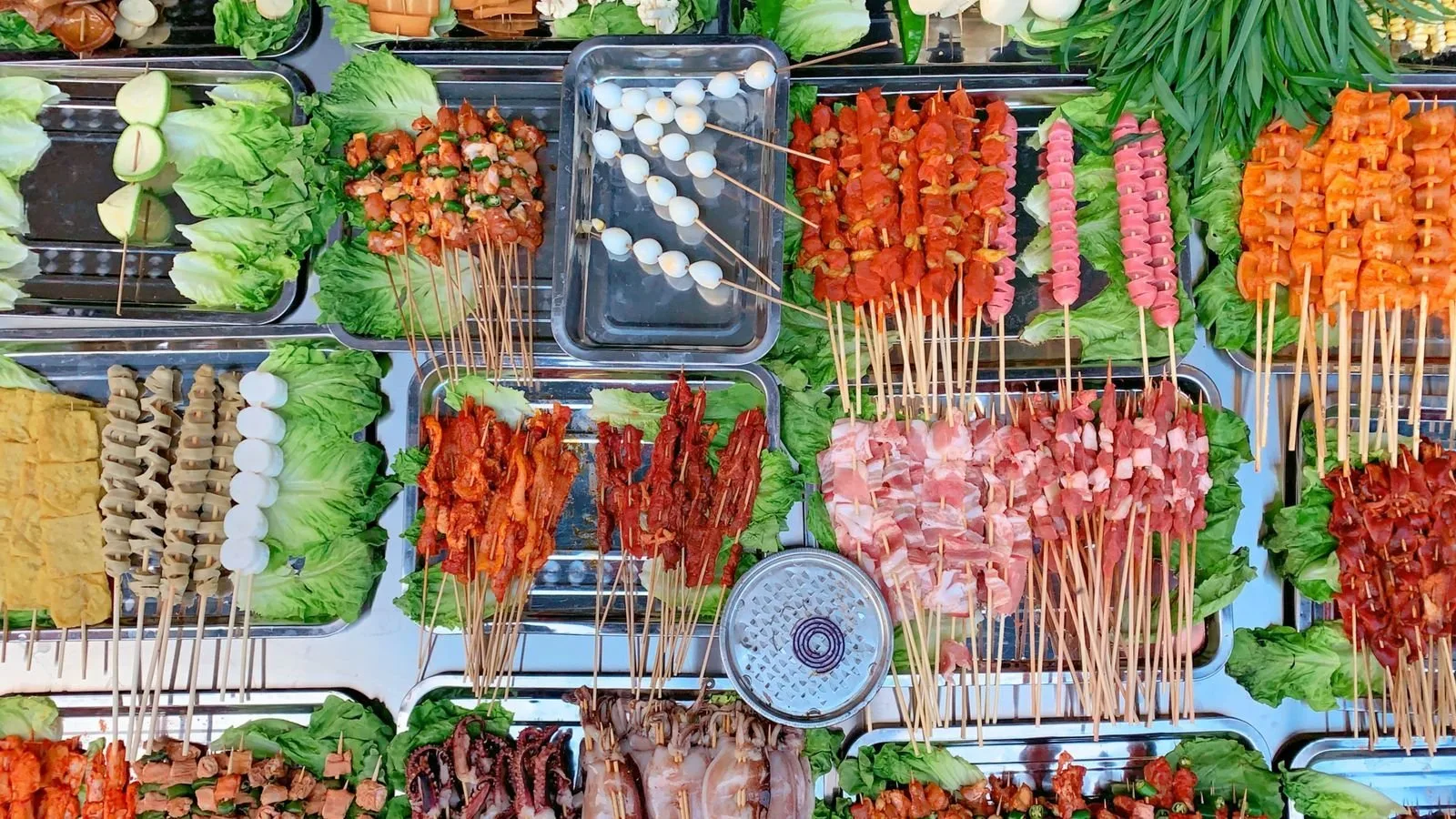
A lively Chinese night market street lined with red lanterns and food stalls
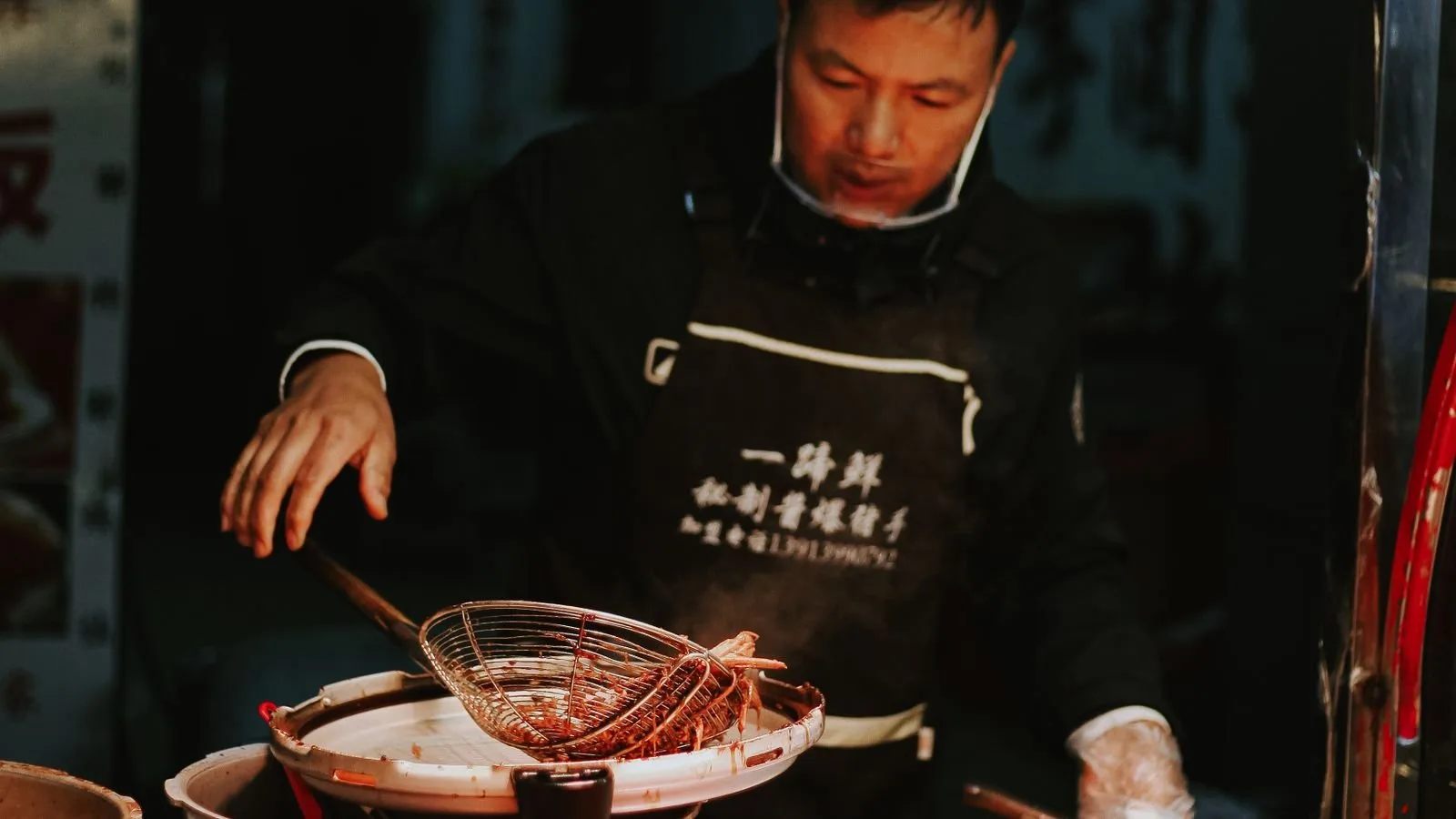
A vendor serving freshly cooked braised meats and sausages at a busy stall
On this page:Safe betsBe a little carefulAvoidStall testQuick questions
Eat with confidence

Food safety in China: the safe bets

Busy street stalls

High turnover means fresh ingredients and hot oil. Locals are picky — if they’re queuing, it’s safe.

Hotpot & noodle shops

Everything is boiled at your table or cooked to order. A cornerstone of safe, delicious eating.

Chain & mall restaurants

Standardized kitchens, English menus common, and consistent hygiene. An easy, reliable choice.

Peeled fruit

Bananas, oranges, mangoes — peel and eat. Always safe and refreshing on the go.
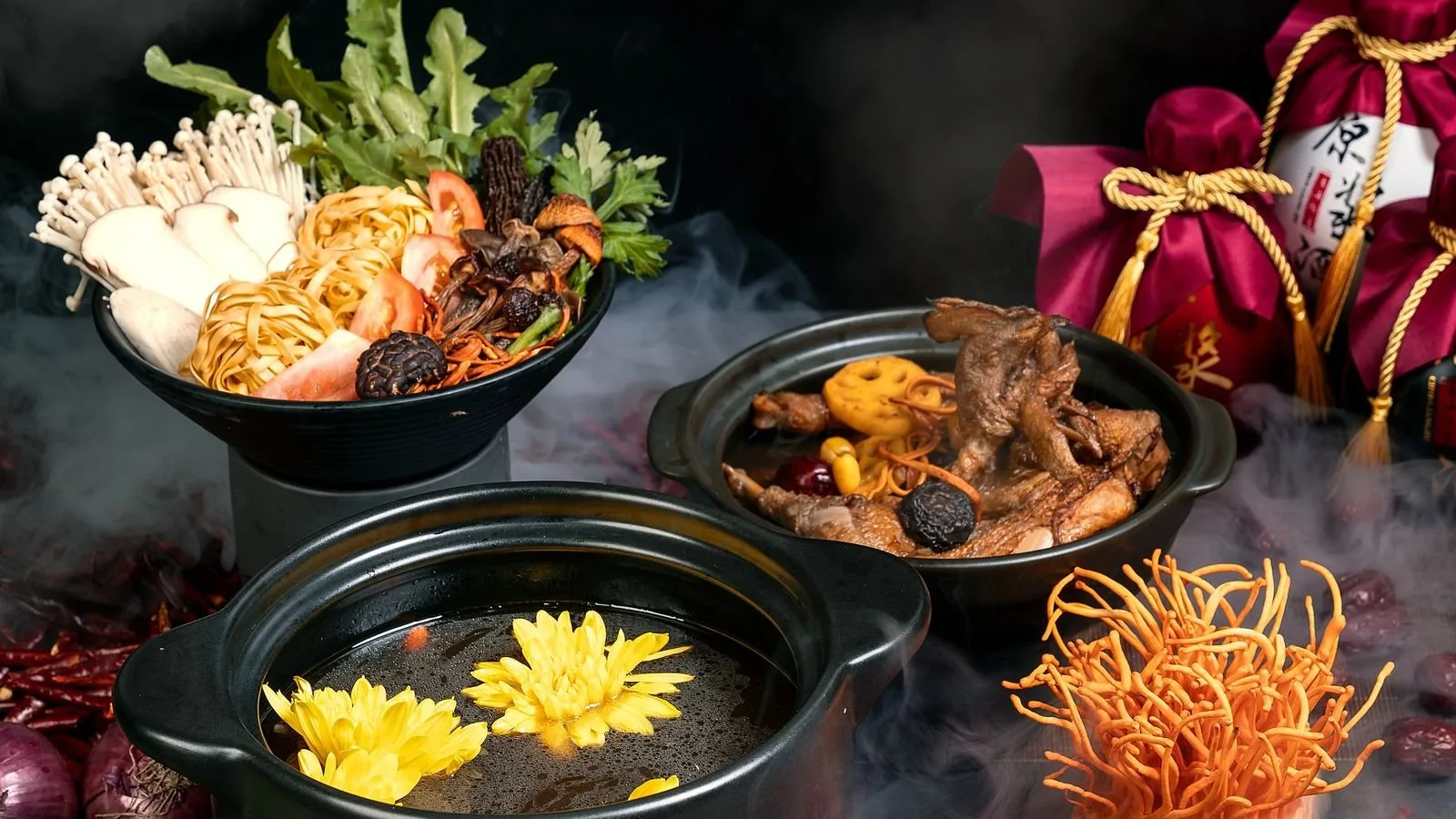
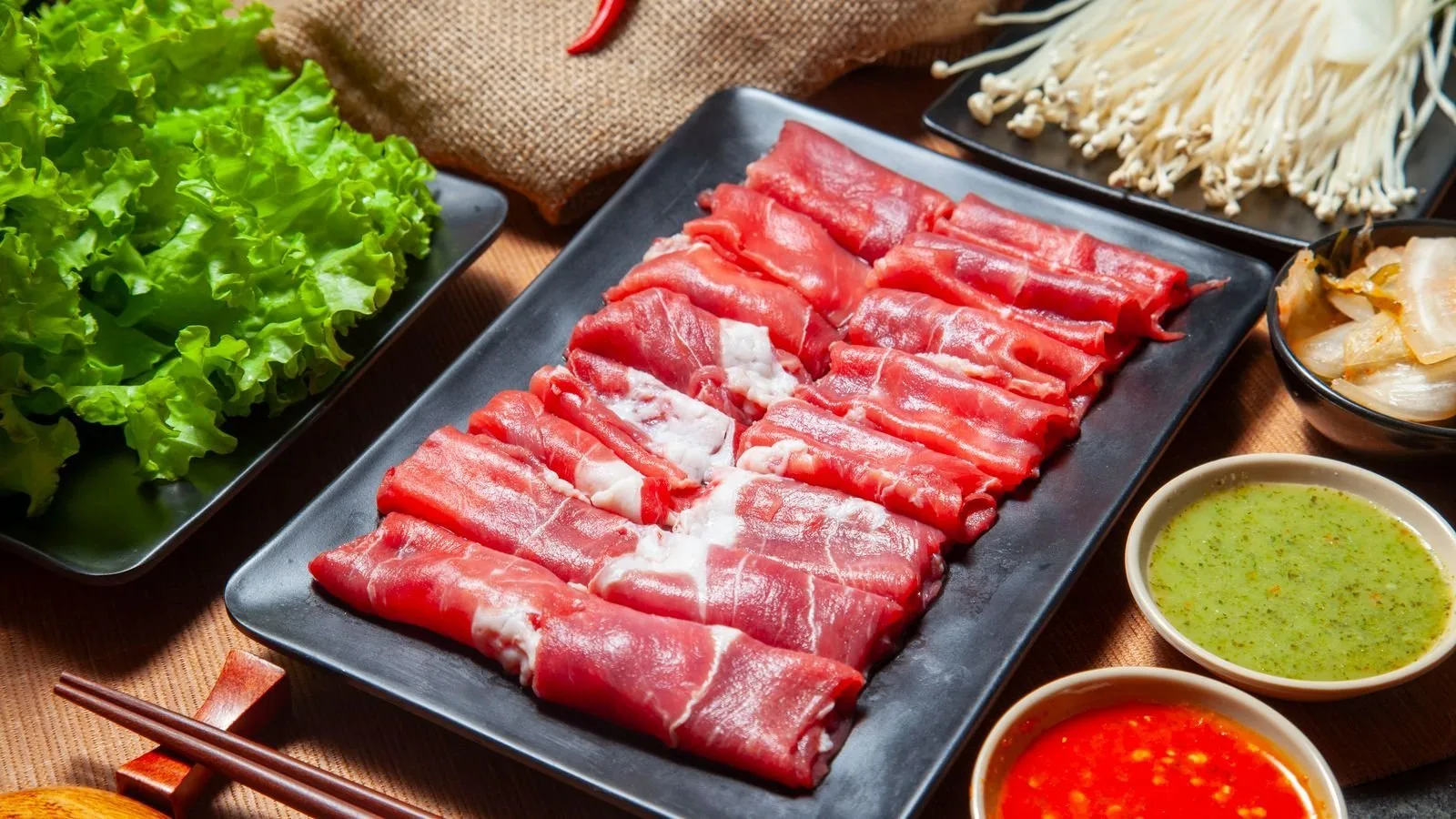
A bubbling Chinese hotpot with fresh ingredients on the table
A lavish spread of Chinese hotpot dishes and sides
Use judgment

Be a little careful

Raw or undercooked

Sashimi and runny eggs are fine at reputable places; at uncertain stalls, skip them if your stomach is sensitive.

Ice from unknown sources

At international hotels, Western chains and proper restaurants the ice is filtered — safe. At random street stalls, just say “no ice” (去冰).

Very spicy regional food

Sichuan and Hunan can surprise first-timers. Build up gradually, and learn “I don’t eat spicy” (我不吃辣).

Simple no-gos

Avoid

Tap water

Never drink it; see our water page for the why and the easy fixes.

Empty, quiet stalls

No queue and food sitting out? Walk on. Locals vote with their feet.

Pre-cut fruit in the sun

If it’s been sitting uncovered for hours, choose a peeled option instead.

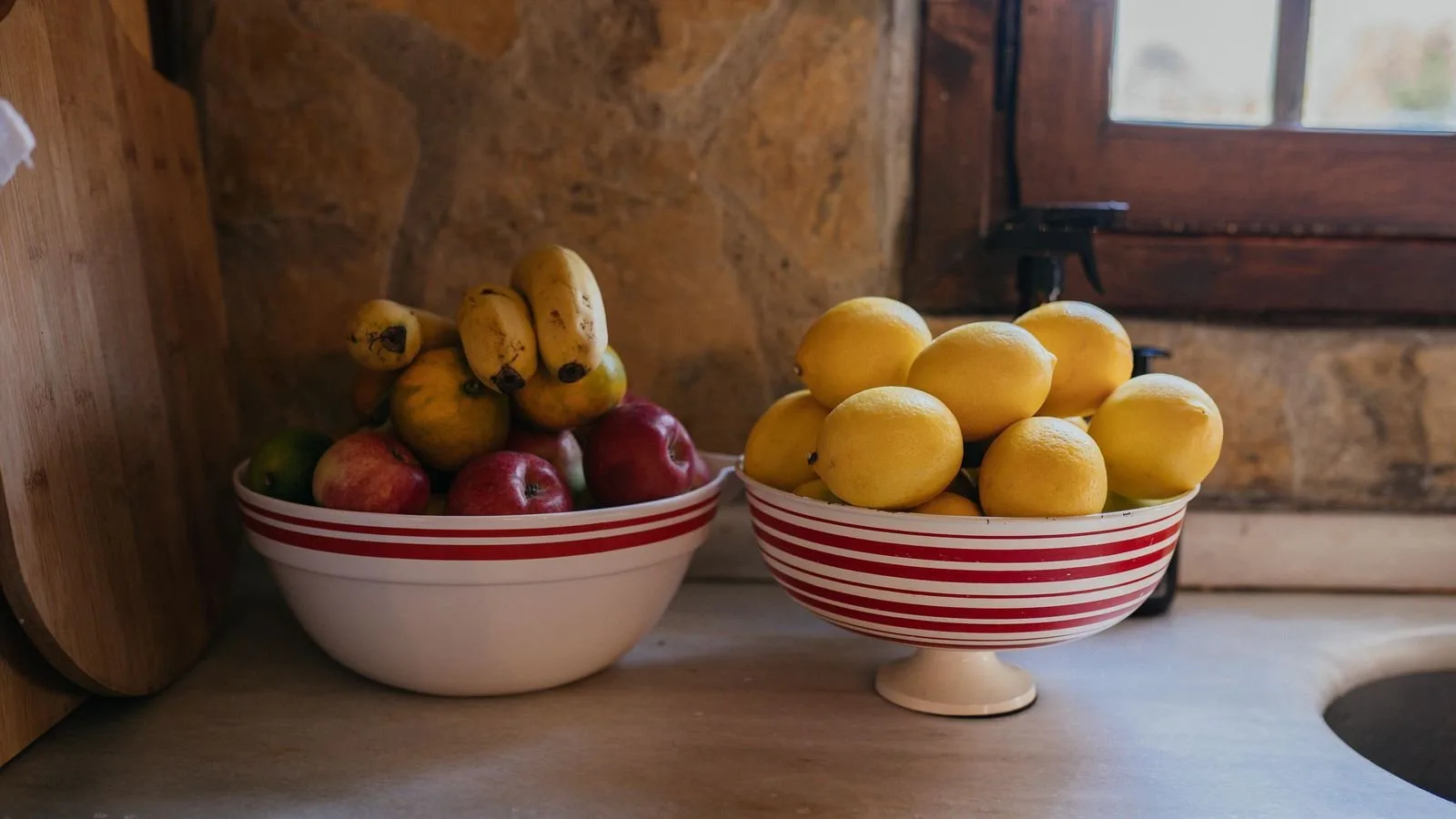
A well-stocked Chinese fruit shop with oranges, apples and gift boxes
Fresh lychees piled in baskets at a market
Five-second check

Is this stall okay? The 5-point test

This quick China food safety checklist takes about five seconds and works at any stall — from a night-market skewer stand to a mall food court.

Check
Safe sign
Walk away if
Crowd
Locals queuing
No customers
Cooking
Made in front of you
Pre-made, sitting out
Oil
Clean, changed often
Dark, thick, reused
Utensils
Clean wok, fresh chopsticks
Grimy setup
Location
Lively market or food street
Quiet back alley
If your stomach acts up: traveler’s diarrhea is usually mild and short. Rest, drink bottled water, and keep an anti-diarrhea tablet (like Imodium) handy. If it’s severe or lasts beyond two days, see a clinic — major cities have international hospitals with English staff.

Quick questions

Is street food really safe for foreigners?

Yes — at busy stalls. The “eat where locals queue” rule is the single most reliable safety signal in China: high turnover means fresh ingredients and hot oil.

Should I avoid all raw vegetables?

At proper restaurants, no — cooked vegetables and salads there are fine. At uncertain street stalls, the cooked-over-raw default is the safer choice.

Is the free tea at restaurants safe to drink?

Yes. The tea served before your order is made with boiled water, which kills pathogens. It is safe and, in most casual dining, practically unavoidable.

What if I have a food allergy?

Carry a Chinese allergy card (allergen names in Chinese) and learn a few key phrases. At smaller stalls, point to ingredients and avoid mixed sauces when you cannot confirm them.

Worried about the water? Read this

Tap water is the one thing to skip. Our water page explains why and what to drink instead.

Water guide →
From the Safety, Health & Culture guide

Continue your planning

Pillar guideSafety, Health & Culture →RelatedIs China Safe For TouristsRelatedChina Travel Scams To AvoidRelatedCan You Drink Tap WaterRelatedChina Language Survival
FirstTimeChinaGuide

Practical first-trip China guides — visas, VPN, eSIM, Alipay, trains, and city routes.

POPULAR GUIDESFirst-time China guideChina VPN, eSIM & AlipayChina trains & getting aroundCity travel guidesSafety & health in ChinaPlan a custom trip →
© 2026 FirstTimeChinaGuide.com. All rights reserved. Affiliate Disclosure · Privacy Policy · About · Contact · Disclaimer
Scroll to Top