Transport traps
Unlicensed airport / station taxi
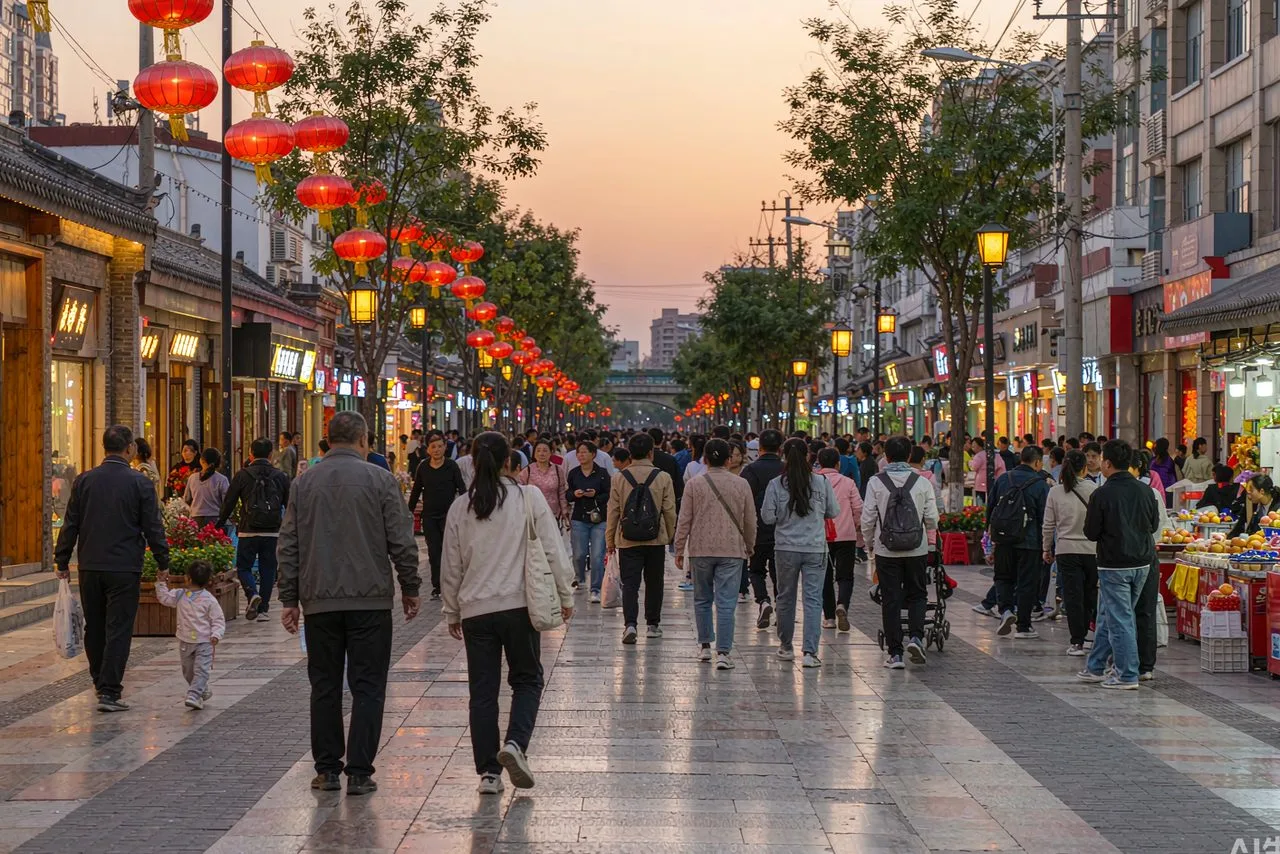
Drivers inside arrival halls (PEK, PVG, CAN) offer “flat fares” of RMB 500–1,200 for trips that should cost RMB 120–250, and may lock doors or take long routes.
“Lost phone” / begging
A person claims they lost their phone and need cash for a ride or call. Handing over money funds the act; it’s rarely genuine.
Shopping traps
Menu switch at tourist restaurants
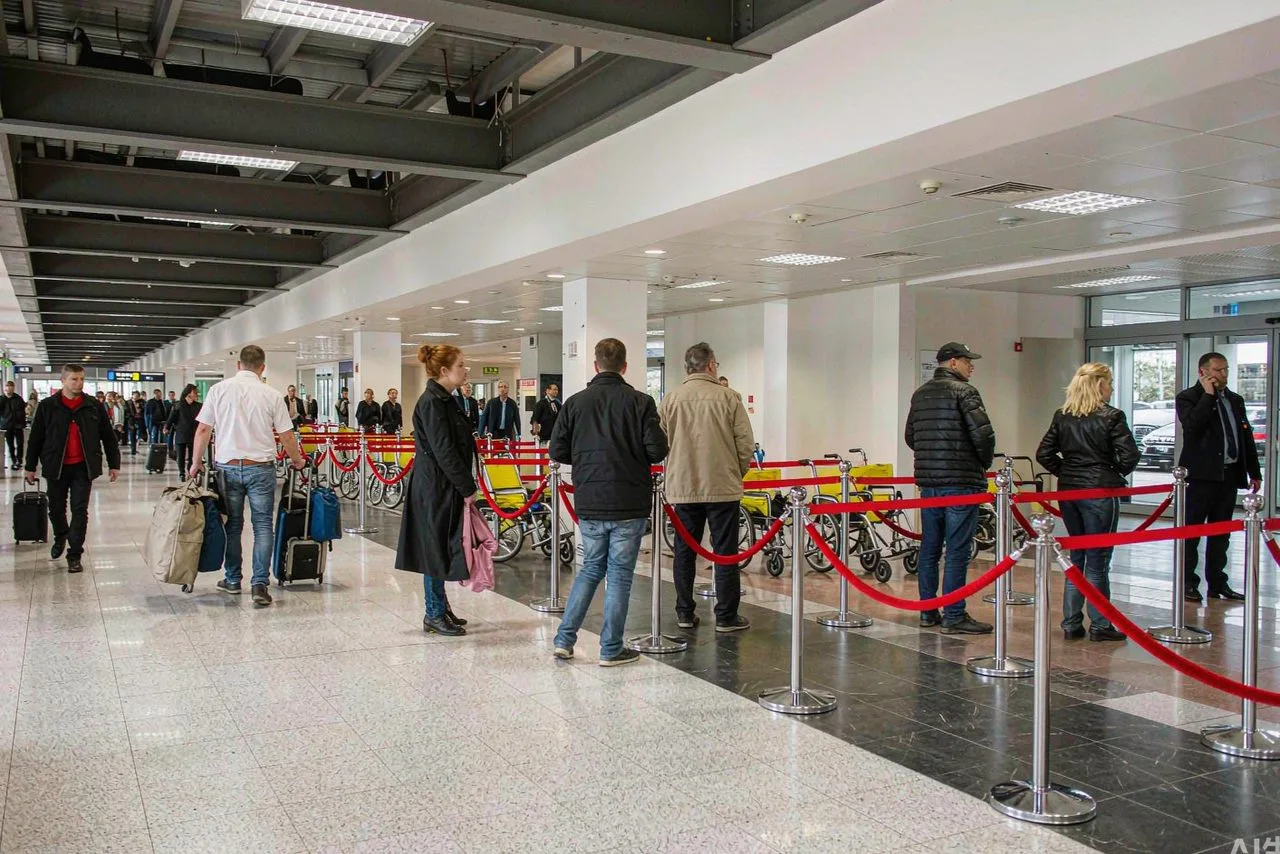
Near Yu Garden (Shanghai) or Qianmen (Beijing), an English menu with hidden surcharges — or a different menu at billing — can turn a RMB 80 lunch into RMB 800.
Counterfeit goods & overpricing
At tourist markets, “luxury” goods are often fake and prices can be 5–10× the real value. Bringing counterfeits home can be seized by customs, and you can report fakes to 12315.
Emergency & complaint numbers
Quick questions
Stay calm, don’t touch anything extra, and insist on paying only for what you ordered. If pressured, step outside and call 110. You are not obligated to pay inflated bills.
No. Most visitors experience none. They cluster at a few famous sights and rely on you following a stranger — which you now won’t.
Yes, near the Forbidden City, the Bund, Nanjing Road, and West Lake it is still reported. The script never changes — a “student” wants to practice English, then steers you to a pricey tea room. A polite no ends it.
Only from touts inside the arrival hall. Skip them: take the official taxi queue (meter on) or book DiDi in the app before you leave the terminal. The price is agreed before the car moves.
Petty theft is low and scooter bag-snatching is rare thanks to dense CCTV. Keep your bag zipped and phone in hand in crowded metro cars and train stations, and you’ll be fine.
Walk away without engaging. If you feel threatened or lose money, call 110 (police) or 12308 (English consular hotline if your passport is involved). Keep screenshots and receipts.
Plan the rest of your health & safety
Water, food, hospitals, and etiquette each have their own page — read them before you fly, and keep this list of China travel scams to avoid handy on your phone.
The “friendly local” setups
Tea-house / “practice English” scam
A friendly “student” strikes up a chat near the Forbidden City, the Bund, Nanjing Road, or West Lake, suggests a traditional tea ceremony — then a bill of RMB 500–2,000+ arrives. It is the single most-reported tourist scam in Beijing.
“Art student” gallery scam
Near the Bund or Yu Garden in Shanghai, “art students” invite you to see their exhibition, then pressure you to buy overpriced mass-produced prints (RMB 2,000–8,000).
Fake monk / “free gift” donation
Someone in monk robes hands you a “free” bracelet or incense, then demands a “donation.” Real monks don’t approach strangers for money.