Culture
China Cultural Etiquette
China cultural etiquette is not a long list of strict rules. It is about respect, harmony, and giving people face. A few thoughtful habits will make locals warm to you and make your trip noticeably smoother.
China Cultural Etiquette: The Easy Wins
These China cultural etiquette habits take almost no effort but signal that you are a respectful guest.
- Use both hands when giving or receiving a business card, gift, or cup of tea.
- Keep your voice down on metros, high-speed trains, in museums, and at temples.
- Wait for the host or oldest person to begin eating at a shared meal.
- Tap two fingers on the table when someone pours your tea — a quiet “thank you.”
- Ask before photographing people, especially in rural villages or ethnic-minority areas.
- Dress modestly at religious sites: cover shoulders and knees.
Don’t — avoid these
Most of these are about avoiding embarrassment — for you and for the people around you.
- Do not stick chopsticks upright in a bowl of rice. It resembles incense at a funeral. Lay them across the bowl or on the rest.
- Don’t lose your temper in public. Open confrontation causes loss of face for everyone. Solve problems calmly and privately.
- Don’t photograph military, government, or airport facilities. It can create serious legal trouble.
- Don’t tip in ordinary restaurants, taxis, or DiDi. It is not expected and can confuse staff.
- Avoid sensitive political topics with strangers. Food, travel, sports, and daily life are safe ground.
- Don’t give clocks, pears, umbrellas, or sharp objects as gifts. Clock (送钟) sounds like “attending a funeral”; pear (梨) sounds like “separation”; umbrella (伞) sounds like “scattering.”
At the table
Meals are social and shared. A little awareness goes a long way.
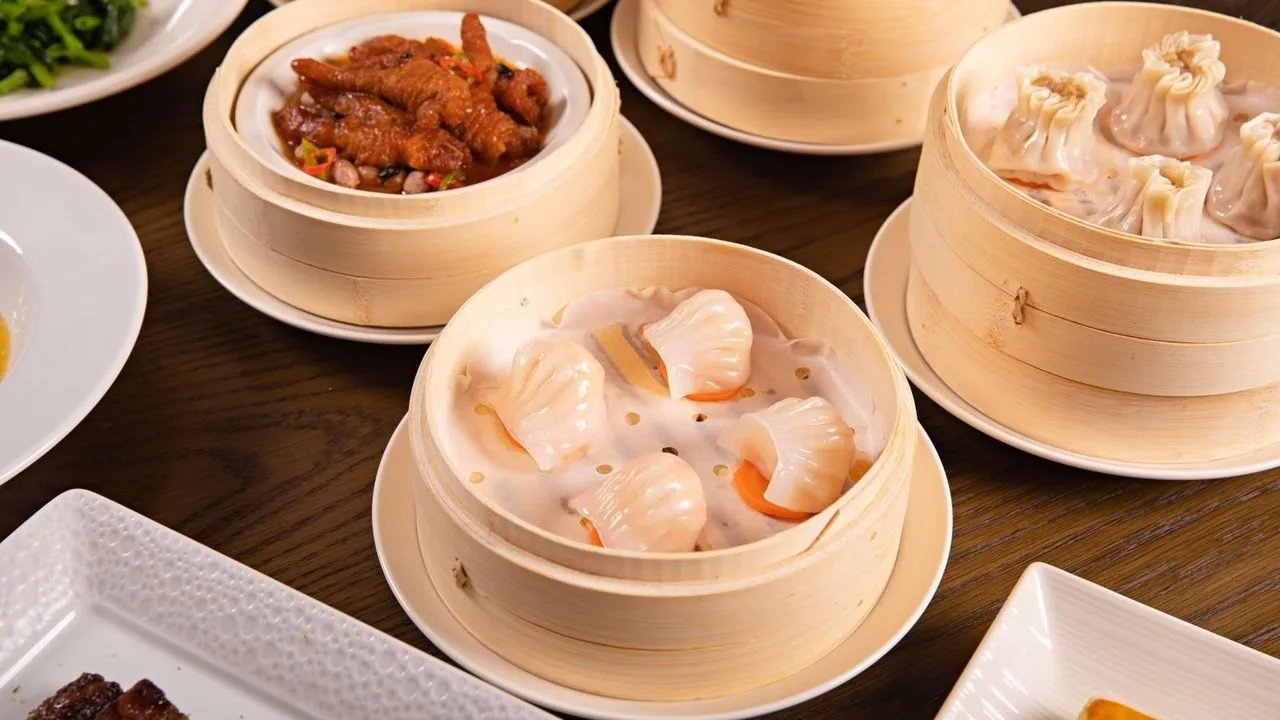
- Wait to be seated. The host or elder usually sits facing the door; wait for them to invite you to a chair.
- Let the elder or host start first. Only then begin serving yourself from the shared plates.
- Use the serving spoon or turn the lazy Susan toward others. Don’t dig around a dish with your chopsticks.
- Don’t point chopsticks at people or tap your bowl with them. The latter is associated with begging.
- When toasting, hold your cup with both hands and clink below the rim of the senior person’s cup.
- Leaving a little food is fine; it shows you were served well. Avoid emptying the last bits unless the host insists.
Temples & sacred places
Religious sites are active places of worship, not just photo backdrops.
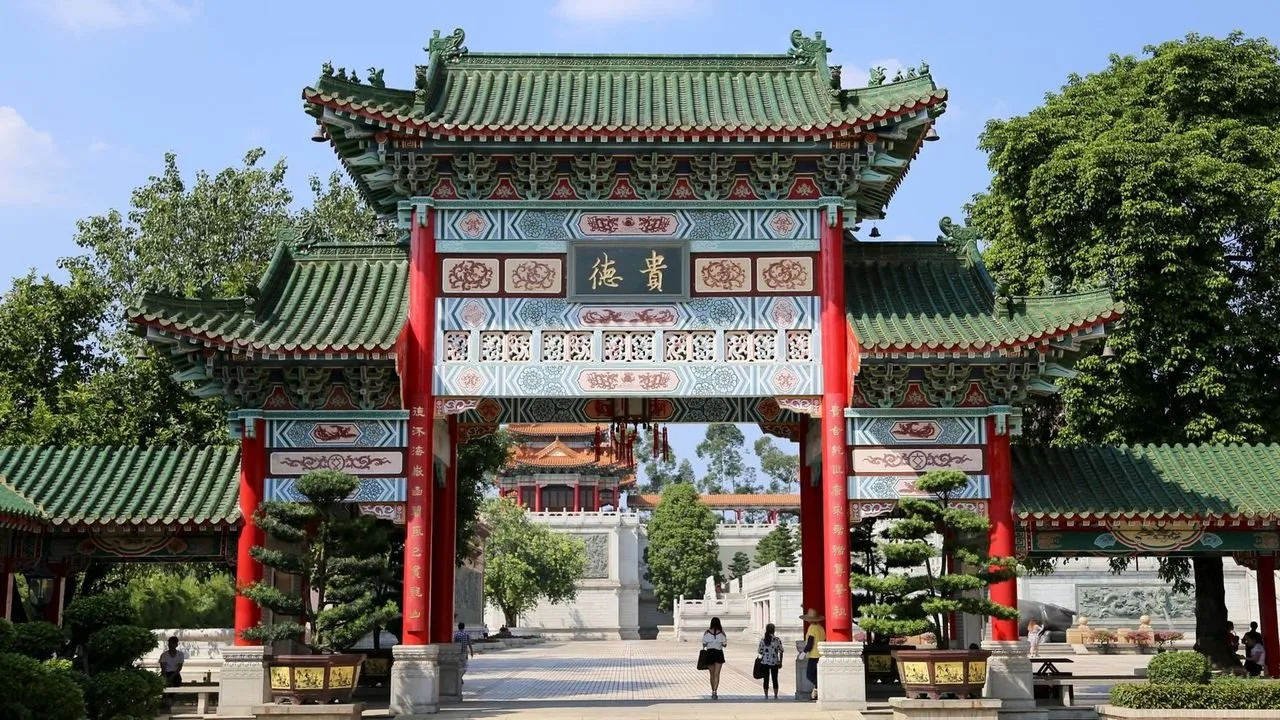
- Follow dress codes: shoulders and knees covered. Remove hats and sunglasses inside halls.
- Watch for “no photo” signs and put your camera away during ceremonies or around worshippers.
- Keep your voice low and turn phones to silent. Do not run or shout, even if the place is crowded.
- Do not point your feet toward Buddha statues or altars. Walk around, not in front of, people who are praying.
- Do not touch statues or relics unless invited. Some items are sacred or fragile.
Greetings, gifts & tea
Small courtesies in meeting, giving, and receiving leave a strong positive impression.

- Greetings: a nod, smile, or handshake is normal. Use titles or family name plus 先生 (xiānsheng, Mr.) or 女士 (nǚshì, Ms.).
- Business cards: receive and give with both hands, take a moment to read it, and place it on the table — not your pocket — during the meeting.
- Gift wrapping: red and gold are lucky. Avoid white or black paper, which are associated with funerals.
- Safe gifts: tea, fruit, sweets, or a small item from your hometown. Tea is almost always welcome.
- Hongbao: a red envelope with money is traditional at weddings, New Year, or for children. Use new bills and avoid amounts with the number 4.
China is not a tipping culture
In restaurants, taxis, DiDi, and most hotels, simply pay the amount on the bill. Leaving extra money on the table is often chased down by staff who think you forgot your change. The exceptions are narrow:
RMB 100–200 per day is welcome, not required.
RMB 10–20 at international 4–5 star hotels only.
No tip. A smile and 谢谢 (xièxie) is enough.
Plan the rest of your trip
Etiquette is just one part of traveling well in China. Our health, safety, and culture guides cover food, toilets, hospitals, language, and staying safe.
Continue your planning
Etiquette FAQ
Will small mistakes offend people?
Almost never. Most Chinese people are forgiving of visitors and appreciate the effort. A smile and a quick 不好意思 (bù hǎo yìsi, “excuse me”) covers most slips.
Is it rude not to finish all my food?
No — leaving a little food on the plate is traditional and shows the host fed you well. Just avoid wasting large amounts.
Should I bow when greeting someone?
No. Bowing is not part of everyday Chinese etiquette. A nod, smile, or handshake is completely fine.
Can I tip waiters, taxi drivers, or hotel cleaners?
In ordinary restaurants, taxis, and hotels, tipping is not expected and can confuse staff. The main exceptions are private tour guides/drivers and porters at international hotels.
What gifts should I avoid giving?
Avoid clocks, pears, umbrellas, sharp objects, and white or black wrapping. Tea, fruit, sweets, or a small souvenir from your home country are safe choices.
Is it okay to take photos in temples?
Only where signs allow. Never use flash near worshippers, do not photograph monks or worshippers without permission, and put your phone away during ceremonies.